How to Increase Average Order Value in Ecommerce: The Visual Merchandising Strategies That Work

    Traffic is getting more expensive every quarter. If you are trying to scale an ecommerce brand today by solely focusing on acquiring new customers, you are running a slow race to zero margins. The most profitable lever in your entire business is getting the people who are already checking out to buy one more thing. Figuring out how to increase average order value ecommerce leaders rely on requires moving past basic tactics.

    Definition

    Average order value (AOV) tracks the median dollar amount spent each time a customer places an order on an ecommerce website. Visual merchandising is the strategic presentation of products within photography to demonstrate how items relate to one another. Combining these concepts means using styled images to naturally persuade shoppers to buy complete sets instead of single items.

    Installing a generic frequently bought together widget and hoping your metrics go up is a lazy strategy that stopped working in years ago. Shoppers ignore uninspired lists of related items. When you show a customer a standalone pair of boots, they evaluate the boots. When you show them those boots styled with a matching leather belt and a care kit in a single cohesive image, they evaluate the complete package. Visual context drives desire.

    The problem has never been the concept. The problem is the execution. Shooting every possible product bundle and cross-sell combination in a traditional studio is a logistical nightmare. If you sell twenty items, the permutations are endless. The math on standard photography simply does not allow for that level of visual AOV optimization.

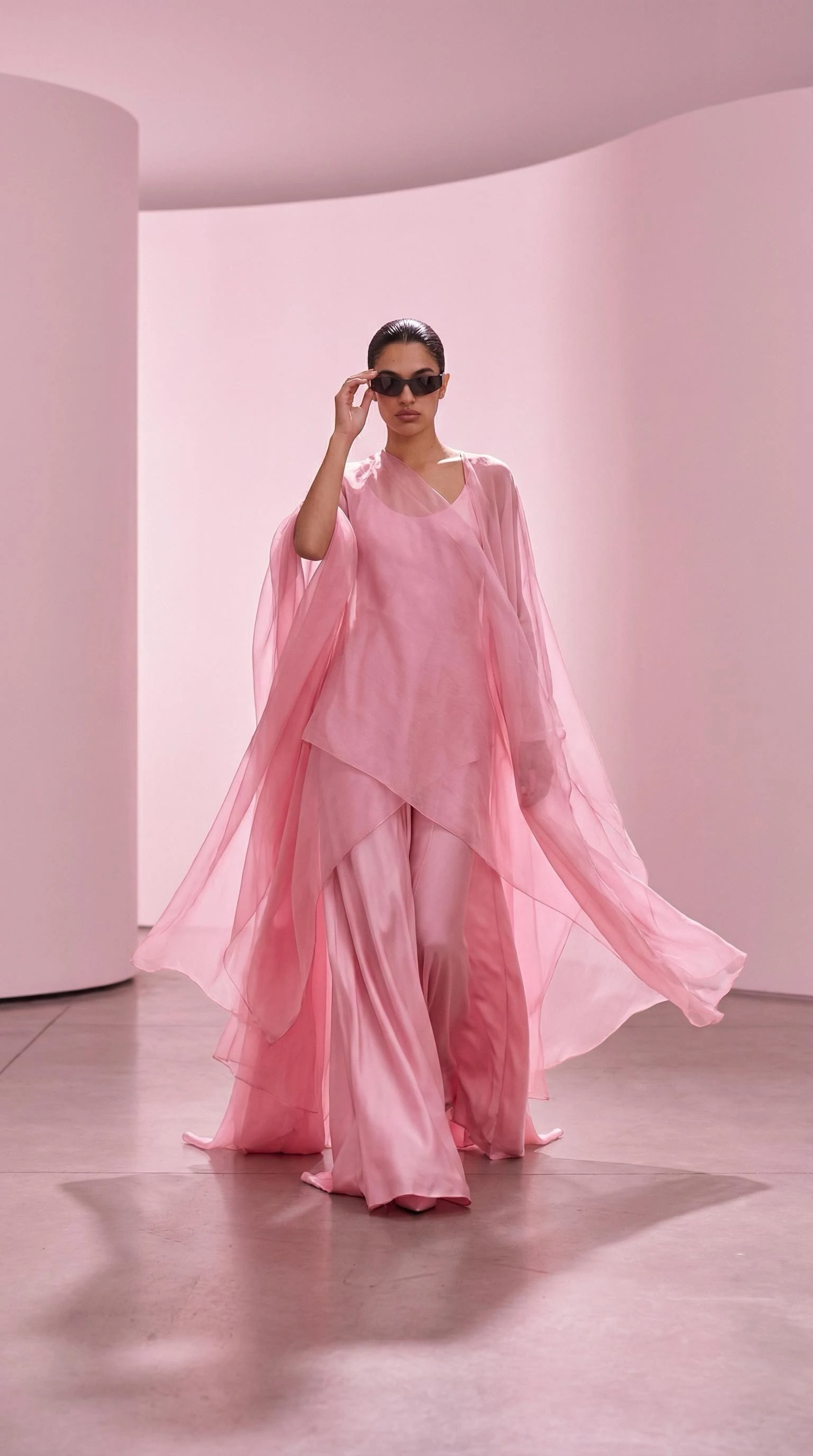
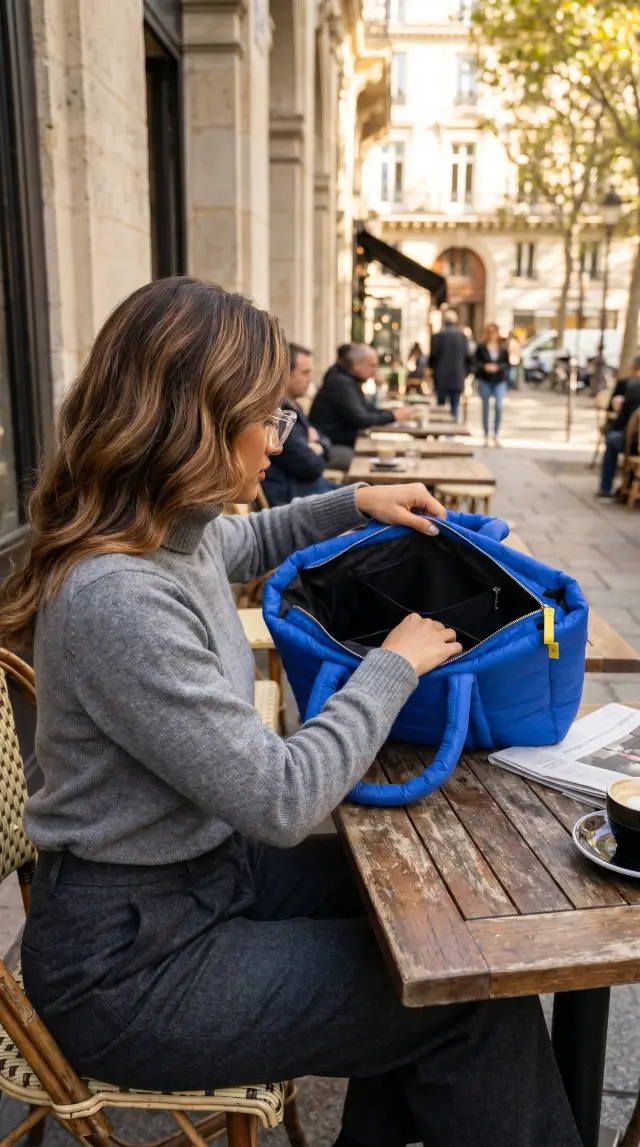
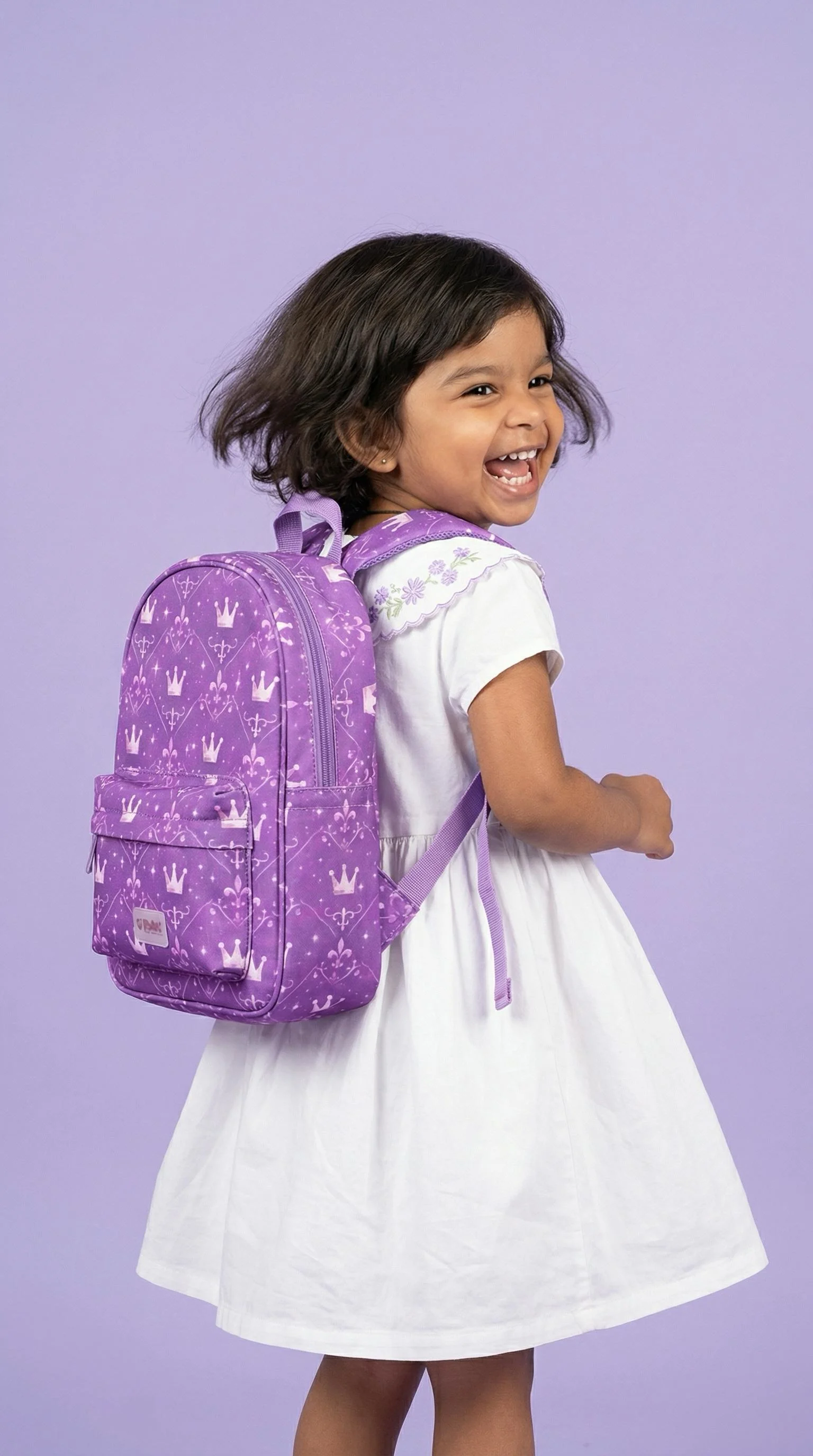
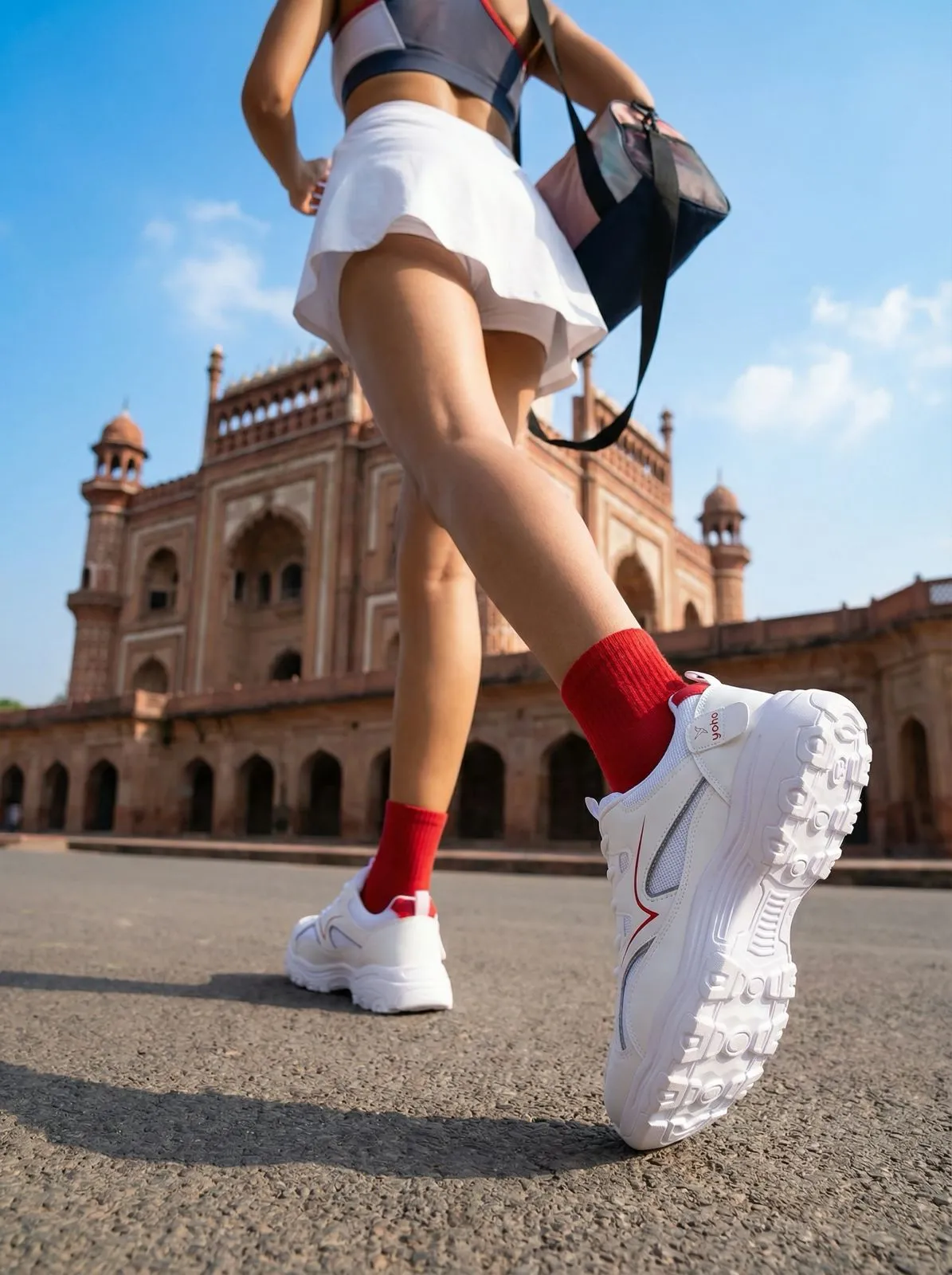
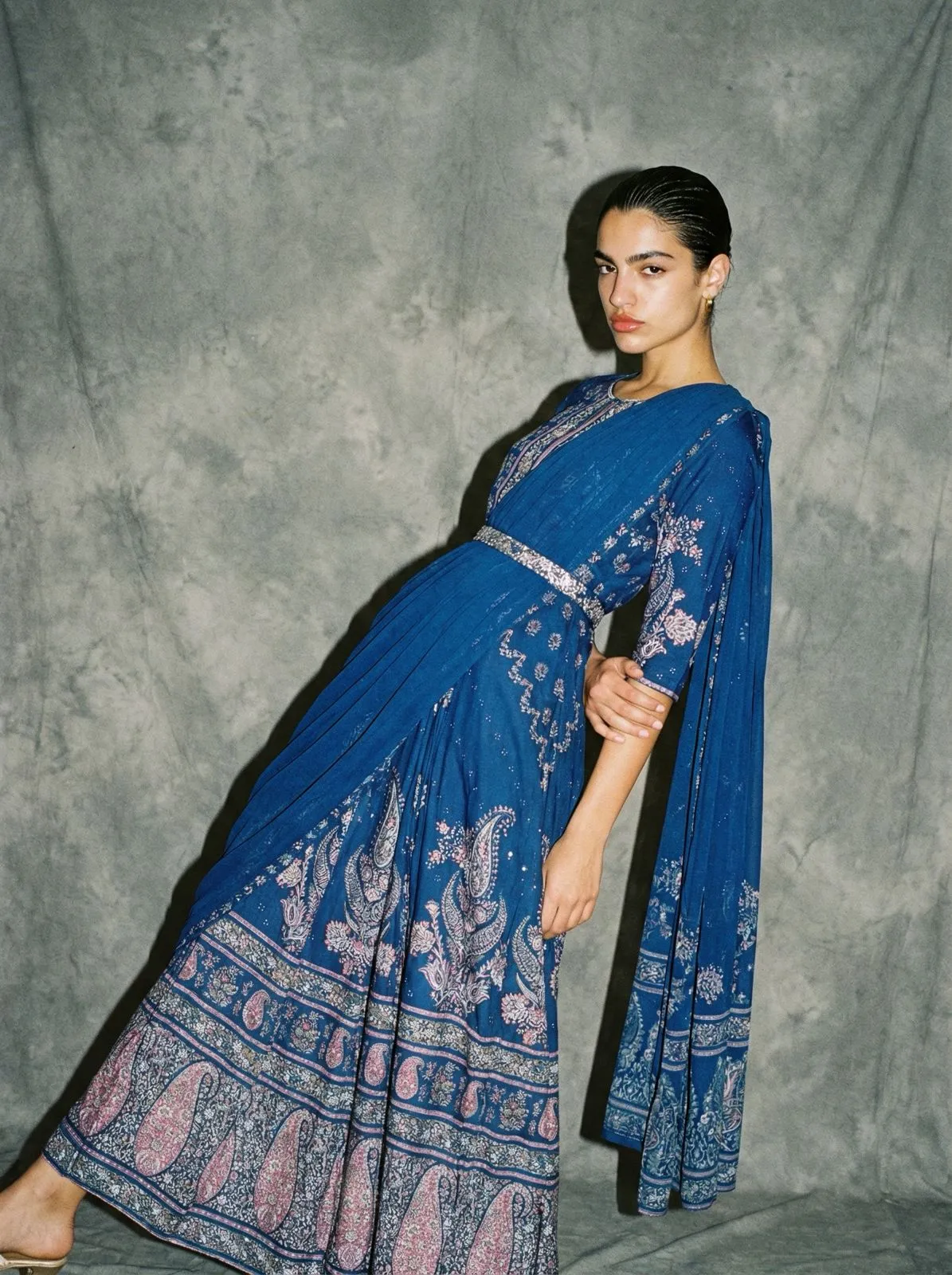
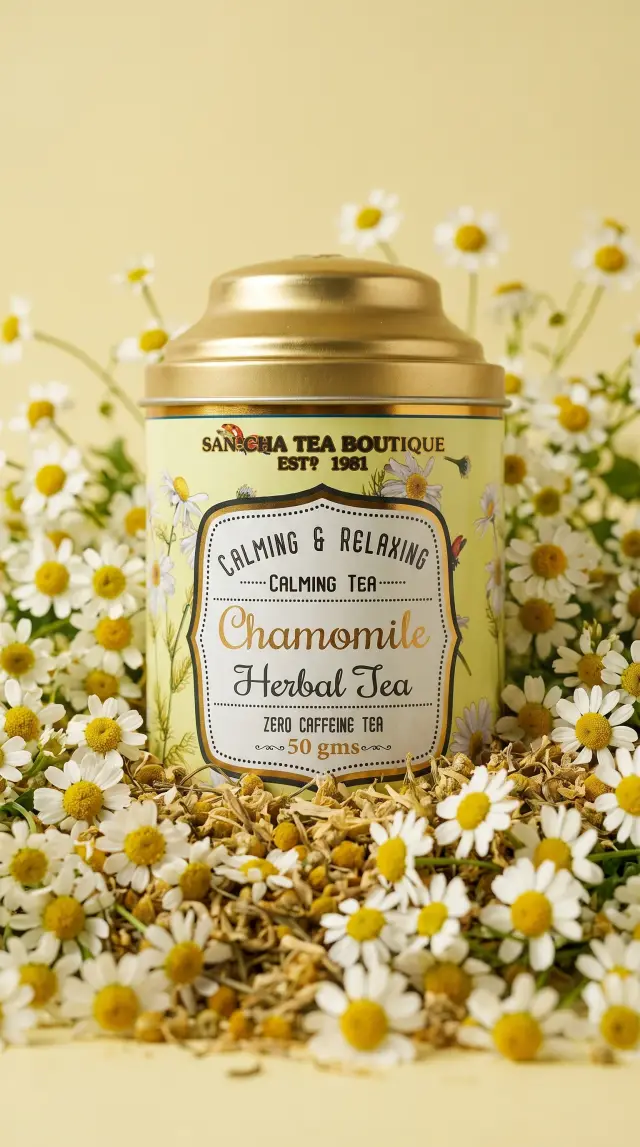
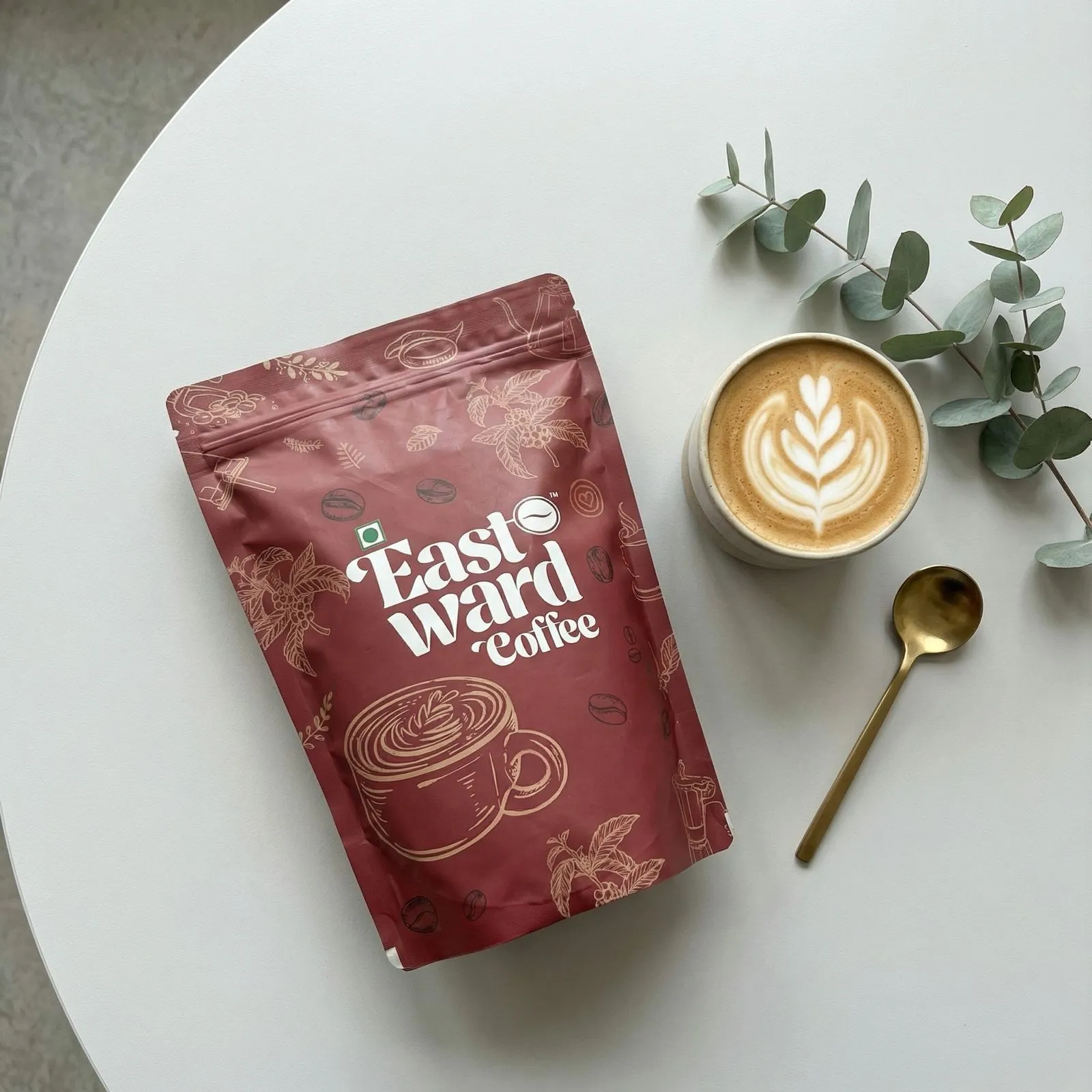
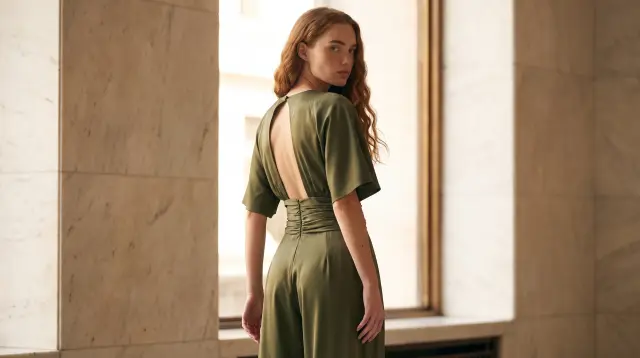
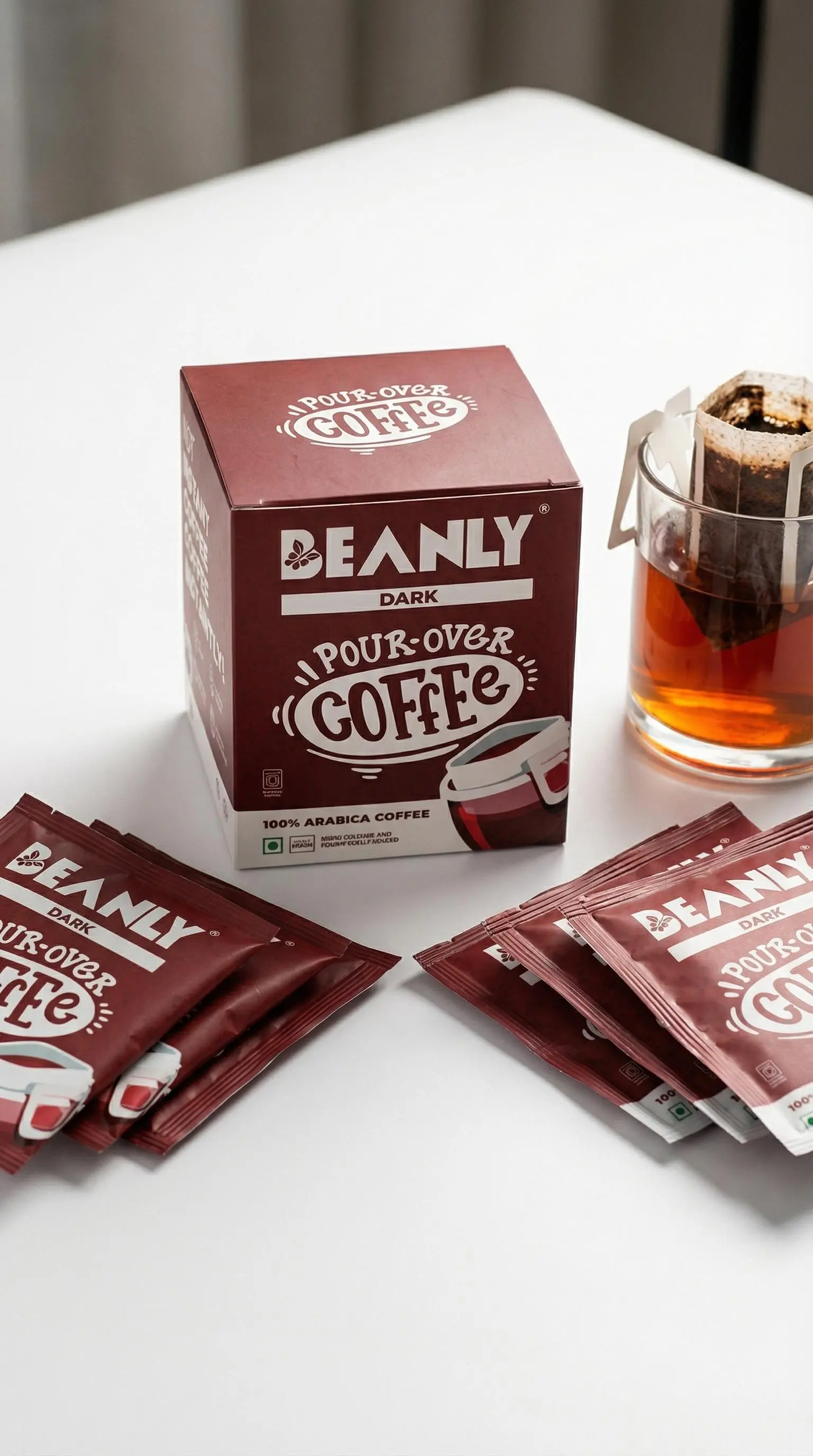
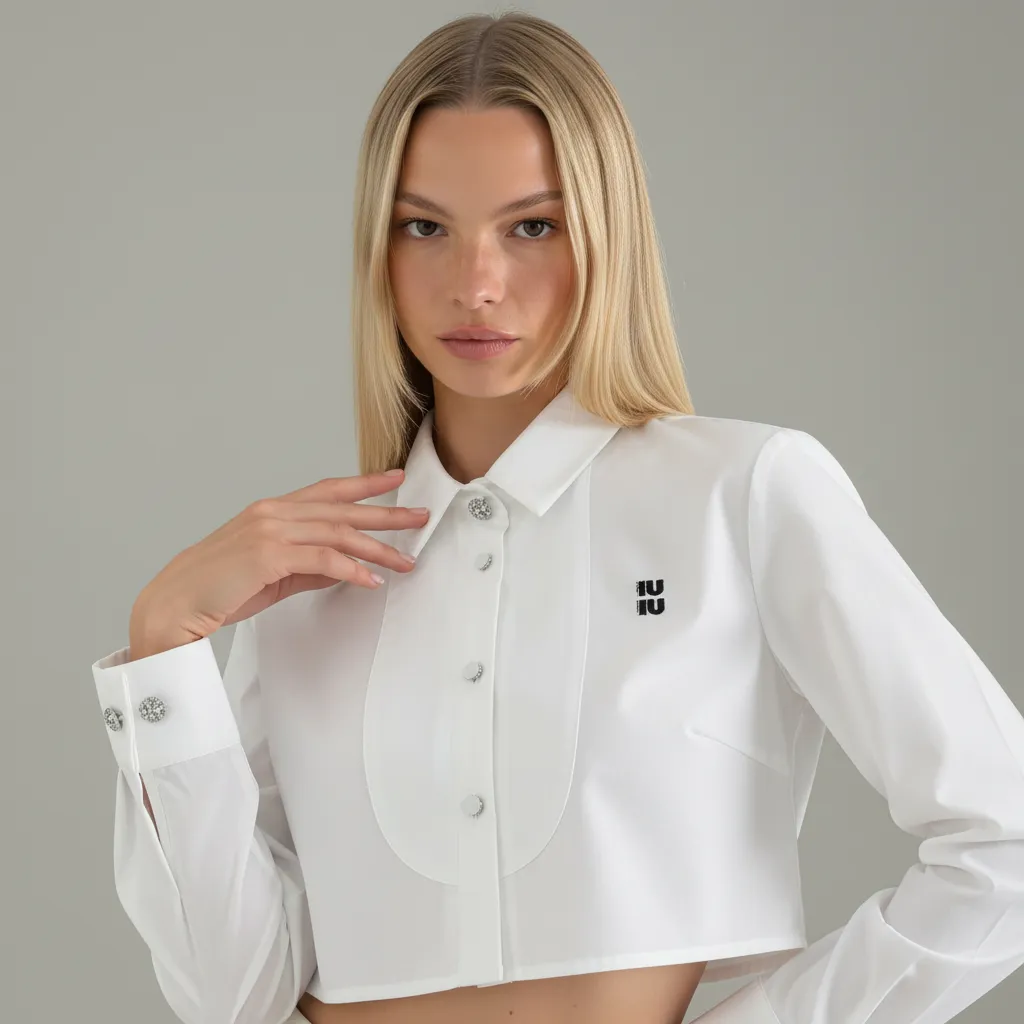
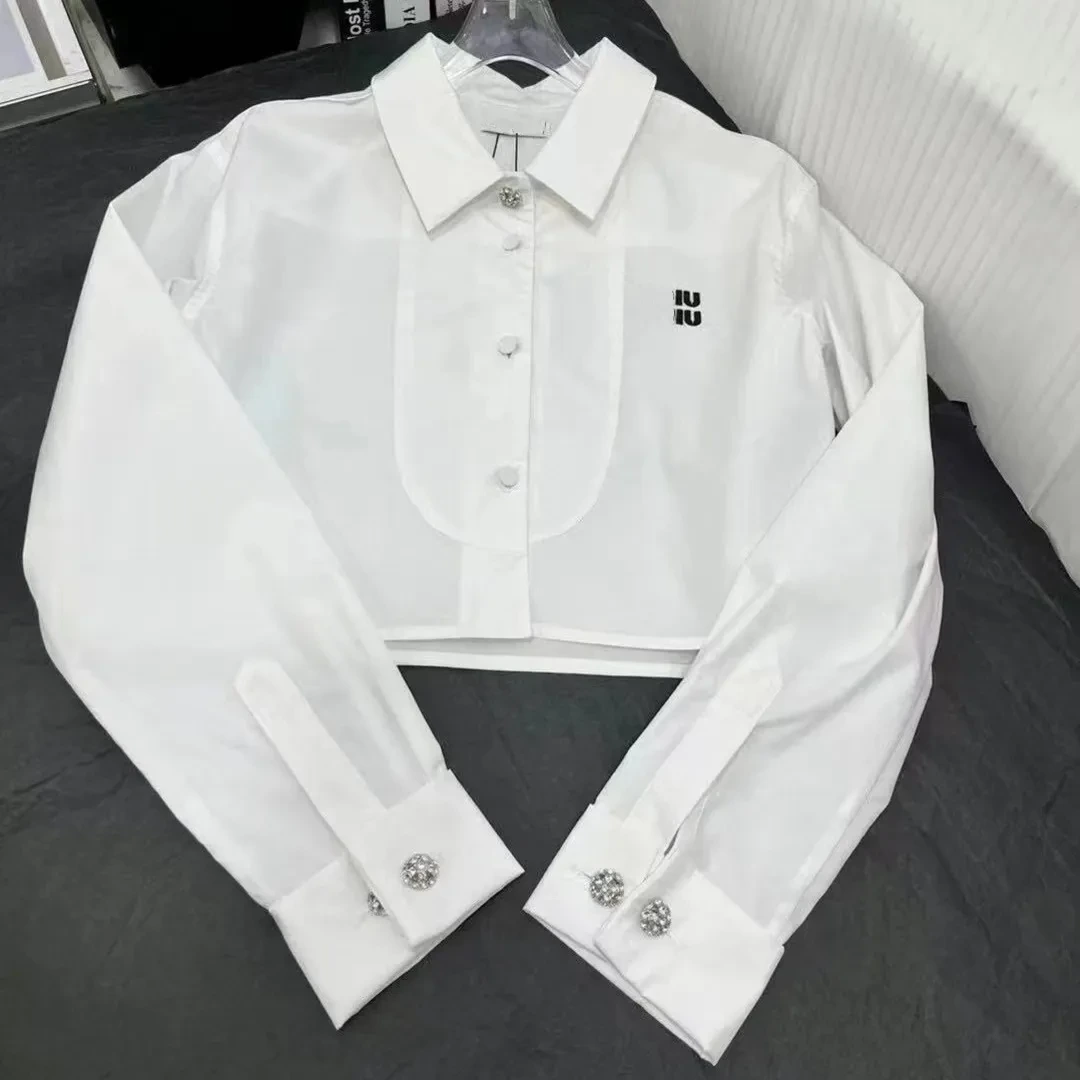
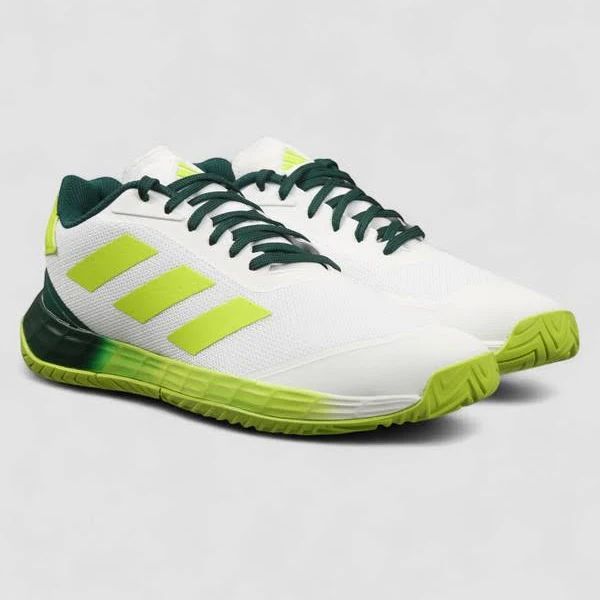
    Ecommerce product grouping showing an optimized bundle strategy
    Visual merchandising shifts the customer focus from the cost of a single item to the value of a complete set.

    The Math Behind Ecommerce AOV Optimization

    You cannot fix profitability issues without understanding the relationship between acquisition costs and cart sizes. If you spend twenty dollars to acquire a customer who spends forty dollars, your margin barely covers the shipping and fulfillment. If that exact same customer spends eighty dollars instead, your net profit on the transaction multiplies.

    This is where revenue per visitor becomes the ultimate health metric for your store. Driving thousands of clicks from a viral social media video is useless if those visitors only buy your lowest priced loss leader. The entire goal of your product page is to raise average order value Shopify carts hold before the user ever clicks the checkout button.

    Why traffic acquisition is a losing game without AOV

    Brands that struggle with profitability often try to solve it by launching more ads. This just accelerates the burn rate. The smart money focuses entirely on the post-click experience. When you increase your average cart size, your return on ad spend improves automatically without changing a single variable in your ad account.

    Before you can successfully group products for these larger carts, you need to understand the exact elements that separate a high-converting product photo from a basic catalog shot. If the base imagery looks cheap, grouping three cheap looking items together will not magically generate a premium bundle purchase.

    The Visual Merchandising Strategies That Work

    Walking into a premium physical retail store feels entirely different than walking into a discount warehouse. In a premium store, the mannequins are styled flawlessly. The accessories sit on the exact same table as the matching outerwear. The store forces you to see the relationships between the items. Your ecommerce site needs to do the exact same thing through imagery.

    (Worth noting: offering too many upsells at checkout can actually increase cart abandonment if the user feels overwhelmed, so limit your cross-sells to three highly relevant items at most.)

    Bundle photography over plain text lists

    The standard approach to bundling is a text headline that says buy the routine and save fifteen percent. The customer sees three separate white background images floating next to each other. This does not create desire.

    Upsell MethodVisual PresentationCustomer Impact
    Plain Text ListsStandard white background images floating near textShopper evaluates the price of a single standalone item
    Bundle PhotographyProducts styled together interacting in a shared sceneShopper evaluates the value of the complete curated package

    Implementing bundle photography means showing the items interacting. If you sell skincare, shoot the cleanser bottle sitting next to an open jar of moisturizer with the texture of the product visible. Product set photography proves to the buyer that these items belong together. The visual weight of a clustered set makes the discounted bundle price feel like an undeniable steal.

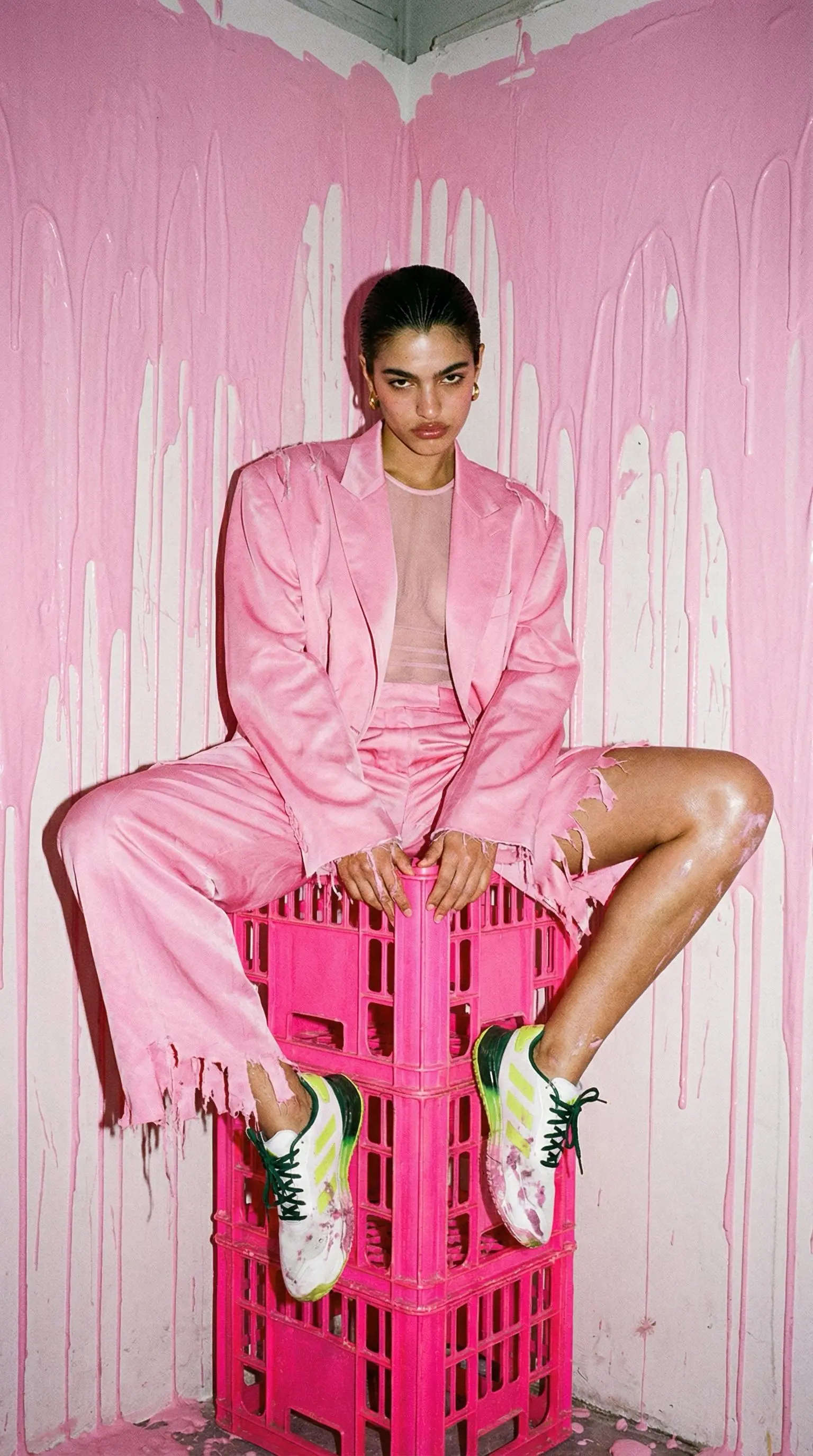
    Placing your bundled items against the right setting is crucial, which requires matching your product background to user intent based on where the shopper is in the funnel. A gritty urban background works for streetwear bundles, while a clean marble surface elevates a cosmetics set.

    Complete the look with lifestyle staging

    Lifestyle photography aov strategies rely on the aspirational nature of shopping. A customer does not just want a coffee table. They want the perfectly curated living room they see on Pinterest.

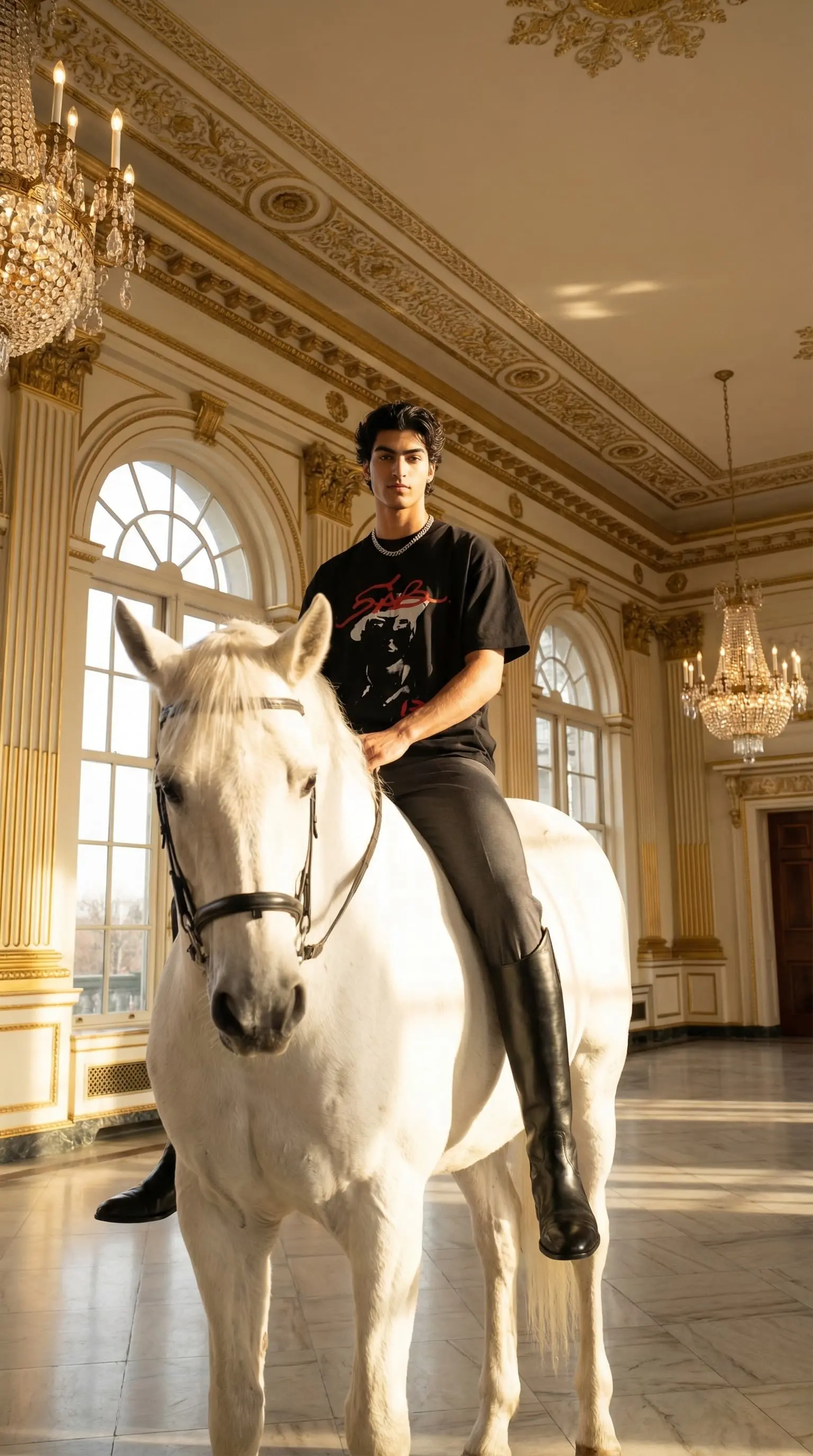
    Cross-sell product images should always prioritize the complete the look methodology. If a user is looking at a camping tent, the gallery should include a lifestyle shot of the tent set up at dusk with your brand's sleeping bags visible inside and your branded lantern hanging from the roof. You are no longer selling a tent. You are selling the perfect camping trip. When the prompt below the image asks if they want to add the lantern to their cart, the friction is gone because they have already seen how much better the scene looks with it.

    Upsell imagery that justifies the premium price

    Increasing average order value is not just about getting people to buy more items. It is also about getting them to buy the more expensive version of the item they already want. This is where strategic upsell imagery is critical.

    If your base model costs fifty dollars and your pro model costs ninety dollars, the photos of the pro model need to look visibly superior. You cannot just use the same lighting and angles for both. The premium product needs richer lighting, closer macro shots of the upgraded materials, and styling that screams luxury. If the customer cannot visually identify why the pro model costs more, they will default to the cheaper option every single time.

    The Studio Production Bottleneck

    Knowing that visual merchandising works is only half the battle. The reality of ecommerce is that executing these strategies usually hits a massive wall when it comes to production logistics.

    Why brands skip visual upselling

    Booking a studio to shoot your core catalog is expensive enough. Booking a studio to shoot every conceivable product grouping, lifestyle scenario, and bundle permutation is financially impossible for most brands.

    A standard studio day involves a photographer, an art director, a stylist, and thousands of dollars in rental fees. If you launch a new colorway of a popular shirt next month, you do not have the budget to rent the studio again just to shoot that new shirt bundled with your existing pants and jackets. As a result, brands fall back on isolated white background images out of necessity, leaving money on the table.

    Once you build these visual groupings, you should be actively running tests to see which combinations actually drive sales instead of assuming your first bundle idea is the winner. But testing requires variations, and variations require even more photo shoots.

    Scaling AOV Ecommerce Strategies with AI

    The entire equation changes when you remove the physical studio from the visual merchandising process. CherryShot AI allows brands to generate these exact lifestyle setups and product groupings without booking a single photographer.

    Removing the friction of visual creation

    AI image generation is not perfect for highly complex physical interactions, like showing the exact threading of a jacket layered precisely over a specific shirt, but for standard cross-sell visual layouts, it completely changes the unit economics.

    You simply upload a base product image into CherryShot AI, select a visual mode like Lifestyle or Minimalist, and generate campaign-ready scenes in minutes. You can place your supplements on a bathroom counter next to related wellness items. You can stage your cookware in a rustic kitchen environment. The per-image cost drops from eighty dollars to under five dollars.

    When the cost and time barriers are removed, you can finally build out the visual AOV strategies that actually lift your revenue per visitor. You can create unique bundle photos for every single holiday campaign. You can generate specific upsell imagery for your VIP email segments. The bottleneck is no longer production budget. The bottleneck is simply deciding which products you want to pair together next.

    Frequently Asked Questions

    What is average order value and why does it matter for ecommerce?

    Average order value tracks the specific dollar amount a customer spends during a single transaction on your ecommerce site. Increasing this core metric expands your profit margins by generating more revenue from your existing traffic without requiring additional ad spend for customer acquisition. Merchants who monitor this data can accurately determine whether their product pages successfully persuade visitors to purchase multiple items instead of just one.

    What are the fastest ways to increase average order value?

    The most effective methods include implementing product bundles, establishing free shipping thresholds, and designing targeted post-purchase upsell flows. Grouping related items together with a slight discount creates immediate perceived value that motivates the shopper to spend more. Testing different threshold amounts based on your median cart size ensures you push customers to add another product rather than abandoning their session.

    How does product photography affect average order value?

    Product photography delivers the visual proof required to convince a shopper to add multiple complementary items to their cart. High-quality contextual images showing products interacting in a real environment generate significantly stronger desire than standard plain text recommendations. Replacing isolated product shots with styled lifestyle scenes forces the buyer to evaluate the complete package instead of scrutinizing a single standalone item.

    What is the connection between visual merchandising and ecommerce AOV?

    Visual merchandising displays products in a deliberate arrangement that highlights their functional and aesthetic relationships to one another. Shoppers presented with a cohesive visual presentation of a complete set are highly likely to purchase the entire collection rather than a single standalone item. Staging a main product alongside relevant accessories inside a single photograph eliminates the friction of forcing users to navigate through separate category pages.

    Key Takeaways

    • Increasing your average cart size is the most reliable way to offset rising customer acquisition costs.
    • Text based recommendations fail to convert as well as cohesive visual bundle photography.
    • Showing products in a complete the look lifestyle scenario naturally guides shoppers to buy the entire set.
    • AI tools eliminate the prohibitive studio costs associated with shooting every possible cross-sell combination.

    Stop relying on plain text widgets to do the heavy lifting for your revenue goals. When you take control of your visual merchandising and actually show customers how your products fit together, your cart sizes will reflect the effort. If you are ready to generate those high converting bundle and lifestyle shots without the studio price tag, try CherryShot AI and see the difference in your metrics.

    Audit your product bundles before your next campaign

    Review your top three best-selling products right now and check how their upsells are presented. If you are relying on plain text lists or floating isolated items, you are leaving margin on the table. Try CherryShot AI to instantly generate styled bundle photography that visually proves why those items belong together.

    Try CherryShot AI

    Continue reading

    This guide breaks down exactly how replacing basic gallery images with strategic lifestyle shots increases cart sizes.

    Product Photography's Role in AOV

    Read this to understand the core elements of composition and lighting that actually drive a customer to click buy.

    What Makes an Ecommerce Product Photo Convert

    If you are running paid traffic to your bundles, this post shows you how to design creative that stops the scroll.

    Scroll-Stopping Product Images for Social Ads

    Stop guessing which upsell image works and learn the exact framework for testing product photos against each other.

    A/B Testing Product Photos to Drive Sales

    Before you try to shoot new bundles, use this template to make sure you get exactly what you need from the process.

    Writing a Product Photography Brief

    Learn why swapping a white background for a textured or colored backdrop can instantly elevate your perceived value.

    The Ultimate Product Photography Background Guide