Product Detail Shots in Ecommerce: Why Close-Up Photography Closes the Trust Gap
When a customer hesitates to buy a four hundred dollar leather weekender bag, they are not doubting the silhouette. They are doubting the construction. They click on your hero image, attempt to zoom in on the brass zipper, hit a wall of pixelation, and immediately abandon the cart. Every high-consideration purchase requires visual proof. Without product detail shots in ecommerce, you are asking your customer to take a blind leap of faith on quality.
Definition
Product detail shots are extreme close-up photographs that isolate specific features, textures, or construction elements of an item. In ecommerce, these macro images replace the physical tactile experience by visually proving material quality and manufacturing standards to online shoppers.
Most brands overinvest in lifestyle imagery while completely ignoring the macro shots that actually push a hesitant buyer over the finish line. A beautiful model holding your product gets the initial click. A razor-sharp close-up of double-stitched canvas and premium hardware secures the actual revenue.
Getting these shots in a traditional studio environment is a massive bottleneck. The lighting required to properly illuminate a textured fabric is entirely different from the lighting used for a flat lay. You end up paying for hours of setup time just to capture a zipper pull. AI product photography changes this dynamic by allowing you to generate hyper-specific detail angles without resetting a physical stage.
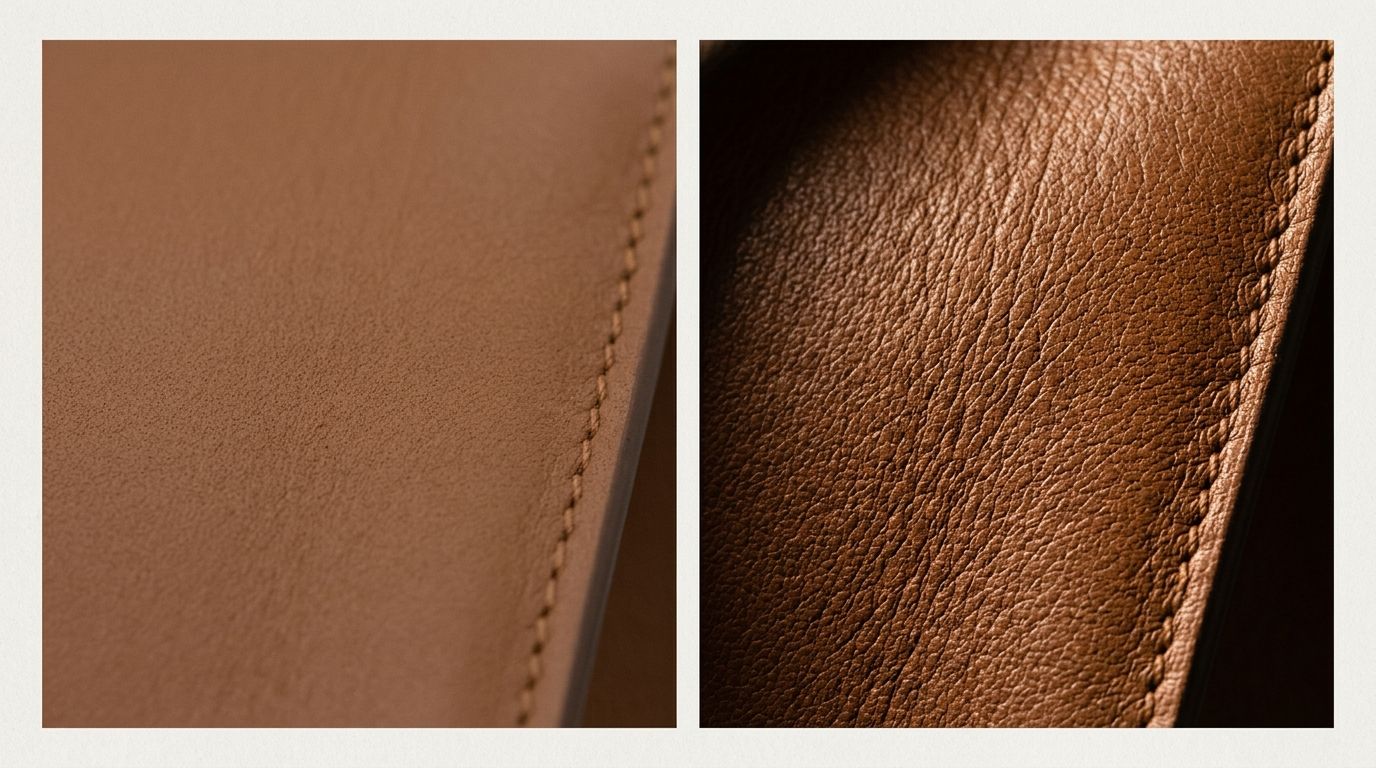
Shoppers rely on extreme close-ups to evaluate material quality before committing to a premium purchase.
The Anatomy of Buyer Trust in High-Consideration E-commerce
Trust is the only currency that matters when selling premium inventory online. When a buyer walks into a physical boutique, they run their hands over the fabric. They check the weight of the hardware. They look at the seams to see if they are straight. In an online environment, your product gallery must simulate that entire sensory experience through pixels alone.
If your visual presentation fails to answer basic questions about material density or finish, the customer will simply leave. Understanding what makes a product photo convert requires acknowledging that different images serve entirely different psychological functions. The wide shot sells the aspiration. The detail shot sells the reality.
Why macro product shots matter for conversion
Macro product shots conversion rates are consistently higher than standard gallery completions. A macro shot forces the customer to focus on the craftsmanship. It signals that your brand has nothing to hide. Cheap products avoid close-ups because zooming in reveals frayed edges, glued seams, and low-quality plastics. By actively pushing the camera right up against your product, you are broadcasting absolute confidence in your manufacturing.
This is especially critical for new brands. You do not have ten years of brand equity to lean on. You have to build trust on your product page from scratch for every single visitor. High-resolution texture detail does that heavy lifting.
The Three Pillars of Detail Photography Product Page Strategy
Not all close-ups are created equal. A blurry zoomed-in crop of a standard hero image does not count as a detail shot. True detail photography requires deliberate composition that isolates a specific feature. To effectively close the trust gap, your gallery needs to cover three distinct visual pillars.
1. Product texture photography in ecommerce
Texture communicates comfort, durability, and value. If you sell a heavy knit sweater, the customer needs to see the thickness of the yarn. If you sell a matte ceramic vase, the lighting needs to rake across the surface to reveal the granular finish. Flat, front-facing strobe lights destroy texture. Capturing material photography properly requires side lighting that creates micro-shadows across the surface of the object.
2. Stitching detail and construction proof
Construction details separate premium goods from fast fashion and disposable items. Customers actively look for double stitching on leather, reinforced rivets on denim, and clean binding on upholstery. These visual cues justify premium pricing models. When your pricing strategy positions you above the market average, your stitching detail shots must clearly demonstrate why the premium exists.
3. Hardware detail and finish
Hardware is usually the first component to break on a cheap product. Zippers, buckles, clasps, and hinges carry immense psychological weight for buyers. A sharp, well-lit shot of a solid brass buckle visually promises longevity.
The obvious trade-off here is that extreme detail shots are unforgiving, meaning any minor manufacturing variance or stray speck of dust will require heavy retouching before it can go live. You cannot hide flaws when you are magnifying a one-inch buckle to fill a monitor screen.
The Logistical Nightmare of Traditional Close-Up Photography
If you have ever sat through a commercial studio session, you know exactly how painful it is to transition from catalog shots to macro shots. It is never a quick adjustment. The entire rhythm of the day grinds to a halt.
First, the photographer has to swap out their standard glass for a dedicated macro lens. Macro lenses have an incredibly shallow depth of field. This means if the front edge of a watch dial is in perfect focus, the back edge of that same dial is entirely blurred.
To solve this, photographers use a technique called focus stacking. They take five or six different photos of the exact same object at slightly different focus points. Later, a retoucher blends all six photos together manually in post-production to create one completely sharp image. This meticulous process is exactly why your invoice triples the moment you ask for hardware close-ups.
| Production Factor | Traditional Studio Macro | AI Generation Process |
|---|---|---|
| Timeline | Weeks (due to focus-stacking retouching) | Minutes (immediate rendering) |
| Setup Requirements | Specialty macro lenses and dedicated side-lighting | Single standard product photo upload |
| Cost Impact | High hourly studio and manual retouching fees | Under five dollars per finished image |
The impact on post-production timelines
Focus stacking and heavy macro retouching add weeks to your delivery timeline. You shoot the campaign on a Tuesday, but you do not get the final detail assets until the middle of next month. For an agile ecommerce brand trying to launch a new seasonal collection, that delay is unacceptable.
(Worth noting: you obviously do not need focus-stacked macro shots for a low-margin consumable item like a generic water bottle. But for luxury apparel, jewelry, or high-end consumer electronics, skipping this step directly hurts your perceived value.)
How Detail Shots Directly Impact Your Bottom Line
Poor imagery is the leading driver of preventable returns. When a customer orders a product and it arrives looking different than they imagined, they ship it right back to your warehouse. You lose the sale, you pay for the return label, and you absorb the warehouse restocking fee.
Most of these mismatched expectations come down to material misunderstandings. They thought the jacket was rigid denim, but it was actually a stretchy blend. They thought the table was solid oak, but it was a printed veneer.
Using exact product photography to reduce returns is the fastest way to protect your profit margins. Fabric close up shots eliminate the element of surprise. When someone sees the exact weave of the textile before they enter their credit card information, they know exactly what they are unboxing.
Scaling Your Visual Output Without the Studio Friction
Brands are finally realizing that they do not need to rent a physical studio to generate high-converting detail assets. General-purpose AI image tools struggle with this because they tend to hallucinate fake details that do not exist on your actual physical product. You cannot use an image of a fabricated zipper to sell a real jacket.
CherryShot AI was built specifically to solve this production bottleneck for physical inventory. You upload a standard image of your product, select the visual mode that fits your brand aesthetic, and generate campaign-ready shots in minutes. By bypassing the traditional macro lens setup and the focus-stacking retouching phase, the cost per finished image drops to under five dollars.
You get the crisp, trustworthy material shots you need for your product page gallery without the three-week post-production delay. This allows you to launch faster, test different visual angles on your product pages, and ultimately provide the visual proof your customers demand.
Frequently Asked Questions
What are product detail shots and why do they matter for conversion?
Product detail shots are isolated close-up images that focus heavily on individual features like stitching density, brass hardware, or exact fabric textures. High-ticket items demand this visual proof of construction quality because buyers cannot physically handle the materials before entering their payment information. Showing a magnified view of a leather grain or metal clasp instantly removes the primary buying hesitation associated with premium online purchases.
Which product categories need close-up photography most?
High-consideration inventory like fine jewelry, luxury apparel, genuine leather goods, and premium furniture requires extensive macro photography. Shoppers purchasing within these high-ticket categories evaluate material density and finish precision just as critically as the overall item silhouette. A brand selling a four-hundred-dollar canvas bag must clearly display the weave thickness and rivet quality to successfully justify that exact price point.
How do detail shots reduce buying hesitation?
Macro product imagery directly eliminates the physical ambiguity that prevents shoppers from completing checkout. While standard full-body catalog shots successfully sell the overall shape and fit, they force the buyer to guess the actual tactile reality of the materials involved. High-resolution crops confirm specific tactile facts like the exact thickness of a wool sweater or the brushed finish on a steel watch dial.
Where in the gallery should detail shots appear?
Position your macro assets immediately following your primary hero front views and contextual lifestyle photography within the carousel. This specific image sequence logically mirrors the physical retail experience where a shopper spots an item from across the room before stepping closer to inspect the manufacturing. Dedicate the fourth and fifth gallery slots specifically to zoomed-in crops of your most expensive material components.
Key Takeaways
- Detail shots replace the tactile in-store experience by visually proving material density and construction quality.
- Macro photography effectively lowers return rates by setting accurate consumer expectations regarding fabric and finish.
- Traditional studio close-ups require complex focus stacking techniques that inflate both budgets and delivery timelines.
- AI generation allows brands to scale their close-up visual assets rapidly without booking specialized studio setups.
Stopping a scrolling buyer is only half the battle. Convincing them that your product is worth their money requires undeniable visual evidence. Stop losing high-intent traffic because your image gallery leaves your material quality up to the imagination.
With CherryShot AI, you can generate the macro angles, texture highlights, and hardware details your product page is missing right now. Turn your base inventory photos into high-converting visual assets today at CherryShot AI.
Audit your product page galleries before your next campaign
Review your top three best-selling items right now to see if they include at least two dedicated material close-ups. If your macro assets are lacking, you can instantly generate hyper-realistic texture and hardware shots without booking another studio session.
Try CherryShot AI