AI Generated Product Images: Are They Good Enough for Amazon, Shopify, and Paid Ads in 2026?
Yes. The major ecommerce platforms and ad networks do not penalize your listings simply because an image was generated by AI. They penalize images for being inaccurate, confusing, or low resolution. If your AI generated product images accurately represent the exact item that ships in the box, they comply with the core policies of Amazon, Shopify, Meta, and Google.
Definition
AI product photography is the process of using software to generate professional backgrounds, lighting, and environmental contexts around a verified photograph of a physical product. Unlike synthetic image generation, this method preserves the original geometry and dimensions of the item to ensure accuracy.
I have spent the last eight years watching brands panic over platform compliance. Founders hear the letters AI and assume Amazon will instantly ban their seller account if they use a digital background. That is not how marketplace algorithms operate. Platforms care about the customer experience and truth in advertising. If the photo looks real and the product matches the photo perfectly, the platform is happy. The barrier to using AI product photography is no longer platform policy. The barrier is entirely about whether the tool you use can produce commercial grade quality.
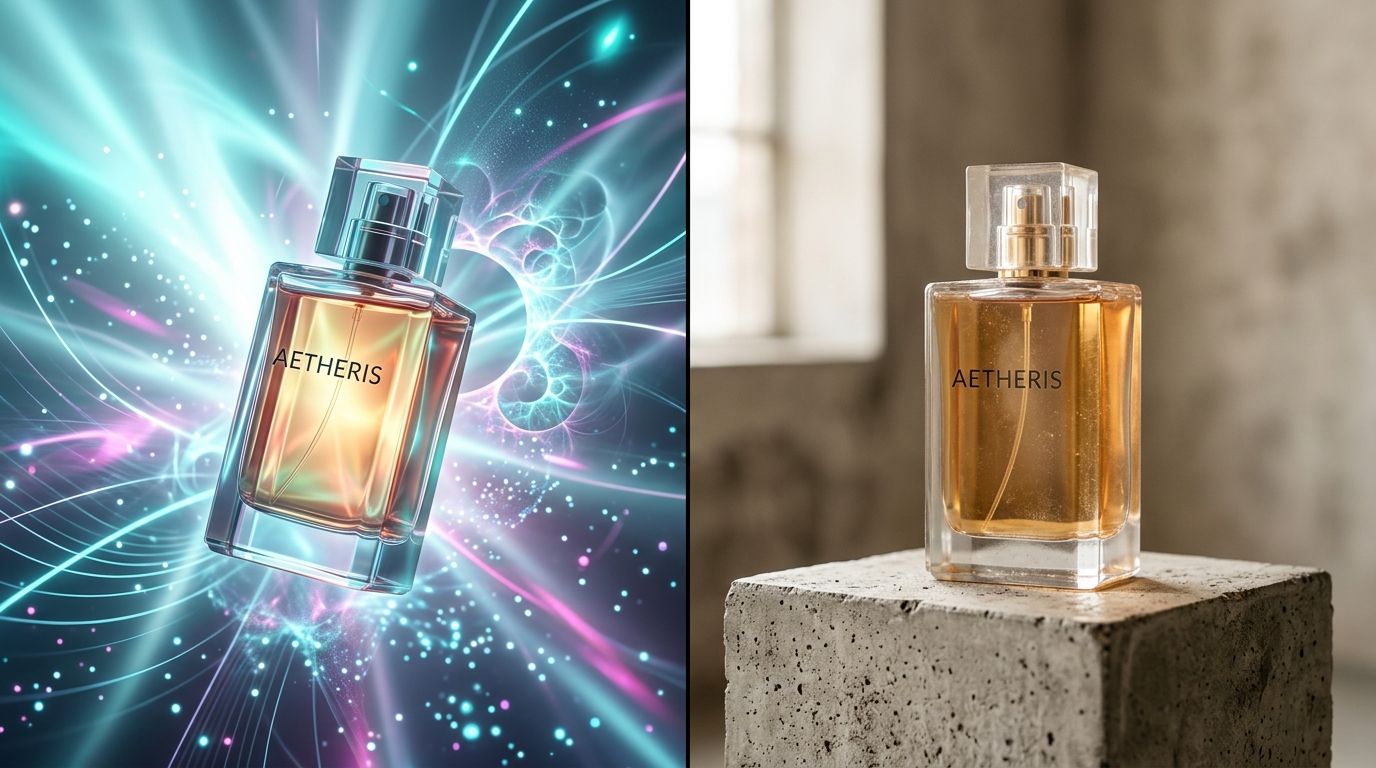
There is one genuine limitation you have to accept before overhauling your visual pipeline. AI is incredible at generating lifestyle scenes, dramatic lighting, and creative variations. It is not a replacement for taking a basic, well lit photo of your physical product first. You still need an accurate base image to upload. General purpose AI image tools will try to hallucinate a product from a text prompt. Those tools will get you banned from Amazon because the resulting image will differ slightly from your physical inventory. Purpose built tools use your real product as the anchor and generate the world around it.
The Reality of AI Product Images on Amazon
Are AI product images allowed on Amazon? Absolutely. You just need to understand the structural difference between your main thumbnail image and your secondary image carousel. Amazon enforces entirely different rulebooks for these two spaces.
| Image Placement | Compliance Requirement | AI Use Case |
|---|---|---|
| Main Thumbnail | Pure white background, 85% coverage | Lighting and background cleanup |
| Secondary Carousel | Accurate lifestyle representation | Environmental generation |
| A+ Content | Brand storytelling focus | Creative scene composition |
Main Images Versus the Secondary Carousel
Amazon strictly enforces the pure white background rule for main images. You cannot use an AI generated lifestyle scene as the primary thumbnail. The product must fill at least 85 percent of the frame on a pure white background. No props. No text. No dramatic shadows. You can use an AI tool to remove a messy background and enhance the lighting of your main product photo, but the output must remain clinical and clean.
The secondary images are where AI generated product images become your biggest competitive advantage. Amazon shoppers swipe through the carousel to understand scale, use cases, and brand context. Creating six distinct lifestyle environments in a traditional studio takes two days of shooting and thousands of dollars in set design.
With CherryShot AI, you upload that same raw product photo and generate those six contextual shots in ten minutes. You can place your skincare bottle on a marble vanity in the morning sun, and then place it on a minimalist pedestal for the next slide.
Amazon has introduced AI labels for certain types of generated content, but this primarily affects purely synthetic products, generated text, or fully fake human models. It does not negatively impact enhanced product photography where the base item being sold is real and accurate.
If you are worried about suspension, focus on truthfulness. Do not use AI to add features your product does not have. Do not generate a premium leather texture on a synthetic wallet. Accuracy is your ultimate compliance metric. If you want a deeper dive into platform specifics, our guide on Amazon image requirements for 2026 breaks down the exact pixel constraints and composition rules required to stay active.
Owning Your Visual Standards on Shopify
Shopify does not care how you create your imagery. You own the channel. The platform policy question disappears completely on your own domain. The only metric that matters on your Shopify store is your conversion rate.
The Conversion Impact of Consistency
When you run a direct to consumer brand, visual consistency builds trust. If your catalog looks like a patchwork of supplier photos, iPhone snaps, and random lifestyle shots, shoppers bounce. A fragmented visual identity screams amateur operation. AI generated product images on Shopify allow you to standardize your entire catalog rapidly. You can take thirty disparate product shots taken in different lighting conditions, run them through the Minimalist or Luxury mode in CherryShot AI, and output thirty perfectly unified images.
The trade off here is strictly technical, not policy based. High resolution AI images look incredible, but they can be massive files. If you upload uncompressed ten megabyte files directly to your product pages, your page load speed will plummet. When page speed drops, your conversion rate falls right beside it. Always compress your assets before uploading. If you are auditing your current store setup, read our technical breakdown on how to optimize Shopify product images to ensure your fast new production cycle does not wreck your site performance.
Feeding the Paid Ads Machine
Are AI product images good enough for paid ads? They are not just good enough. For many brands, they are the only viable way to keep up with ad fatigue in 2026.
Meta, Google, and the Volume Problem
Creative testing requires relentless volume. Running a single static image on Meta for three months guarantees declining returns. Media buyers need constant creative refreshes to find winning combinations. Booking a freelance photographer every time your media buyer wants to test a new angle is a logistical nightmare. It is also completely unsustainable for most profit margins.
AI generated product images solve the volume problem. You can take one base photo and generate dozens of variations across different backgrounds, lighting setups, and visual moods. You test the Loud Luxury mode against the Classic mode. You let the algorithm tell you what converts, rather than guessing in a studio three weeks before the campaign launches.
Meta does have specific policies regarding AI content. They require disclosure for photorealistic AI generated scenes. This is handled natively within the ad platform through a self disclosure toggle. The resulting label exists for transparency and does not hurt conversions. Bad creative is what hurts conversions. If you want to build ad creative that actually drives revenue, look at our framework for generating scroll-stopping images for paid ads.
Google Shopping policies align closely with Amazon. The primary image link in your merchant feed must show a clear, unobstructed product on a plain background. Secondary lifestyle images are allowed and encouraged. As long as the AI product photography ecommerce shoppers see matches the landing page they click through to, Google will approve the feed.
Why AI Product Image Quality in 2026 Finally Works
Let us address the quality baseline. Early AI image tools produced weird artifacts. Straps melted into backgrounds. Textures looked like plastic. General purpose AI image tools still struggle with exact product preservation. This is exactly why brands get frustrated when they try to use basic prompt based generators. The generator hallucinates a slightly different product, which ruins the image for commercial use.
General Generators Versus Purpose Built Tools
Purpose built platforms are different. CherryShot AI preserves your exact product geometry. The actual pixels that make up your physical product remain intact and untouched. The AI engine rebuilds the lighting, the shadows, and the environment around the product. This technical distinction is why AI photography ecommerce acceptance has skyrocketed recently. The customer is looking at the actual product, just placed in a perfectly lit digital studio.
The math on this is undeniable. Traditional studio shoots cost roughly $100 per finished image when you factor in space rental, styling, and photographer fees. CherryShot AI brings that per image cost down to a fraction of a dollar, and the turnaround time drops from three weeks to ten minutes.
Key Takeaways
- Platform policies focus on truth and accuracy, not the software used to generate the image.
- Amazon and Google require pure white backgrounds for main images but welcome AI lifestyle shots in secondary slots.
- Shopify imposes no content restrictions, allowing you to unify your catalog visuals instantly.
- Purpose built AI tools preserve your actual product geometry, preventing the hallucinations that cause compliance issues.
Audit your product page images before your next campaign
Consistency is the biggest driver of conversion rates on product detail pages. Review your current gallery to identify any inconsistent lighting or mismatched styles that might be confusing your shoppers. You can replace these outdated images with high-resolution, branded versions using CherryShot AI.
Try CherryShot AIFrequently Asked Questions
Are AI-generated product images allowed on Amazon?
Amazon allows AI-generated content provided the imagery accurately represents your physical product. Main product images must adhere to the standard pure white background requirements and satisfy frame coverage rules. You cannot use generated lifestyle scenes as primary images, but these are permitted within your secondary carousel and A+ Content modules. Marketplace algorithms evaluate your images based on truth in advertising and the overall quality of the customer experience.
Can I use AI product photography for Google Shopping?
Google Shopping accepts AI product photography when it meets their standard merchant feed specifications. Primary images must display the product on a clean, solid background without watermarks or promotional text. You can use AI tools to create these clean backgrounds or to generate lifestyle variations for your additional image link attributes. These listings perform well because the generated images clearly present the product without misleading the shopper about inventory.
Are AI product images good enough for paid ads?
High-quality AI images are effective for paid advertising because they support rapid creative testing. Success on platforms like Meta requires constant refreshes to fight ad fatigue, which often drains marketing budgets when using traditional studios. You can generate multiple variations to test different aesthetic moods and lighting setups in minutes. The output quality matches traditional photography, ensuring your brand maintains a professional appearance while significantly increasing your testing volume.
Does Meta allow AI-generated product images in ads?
Meta permits AI-generated product images across their entire ad network. You must follow their transparency requirements by using the platform's self-disclosure tool when your content is significantly altered or generated by AI. This simple label provides the necessary transparency without impacting your auction performance or delivery metrics. The core requirement remains that your ad creative must accurately reflect the specific item the customer receives when they place an order.
What platforms accept AI-generated product images in 2026?
Every major ecommerce platform and advertising network accepts AI-generated product images as of 2026. This includes marketplaces like Amazon and Walmart, website builders like Shopify, and ad networks like Meta or Google. These platforms prioritize high-resolution imagery and accurate product representation above the specific method used to create the files. Follow the standard formatting rules for each channel, and your AI images will remain fully compliant across your entire distribution stack.
The ecommerce industry has moved past asking if AI generated images are allowed. The platforms have spoken, and the answer is a resounding yes. The real question is how fast your brand can adopt the technology to scale your visual output. Stop waiting three weeks for a freelance photographer to deliver basic lifestyle shots. Upload your raw photos to CherryShot AI today and generate compliant, campaign ready imagery in minutes.