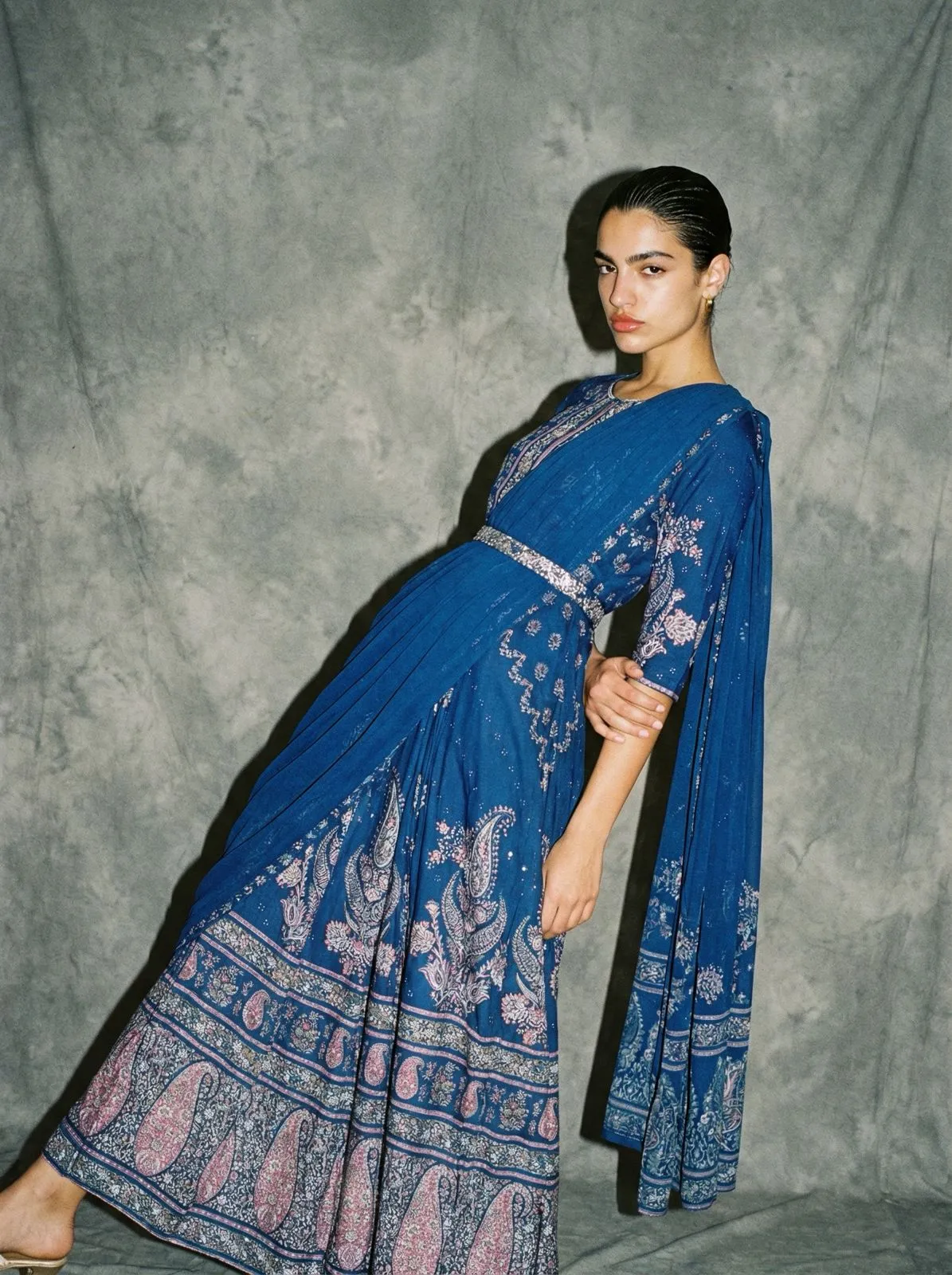
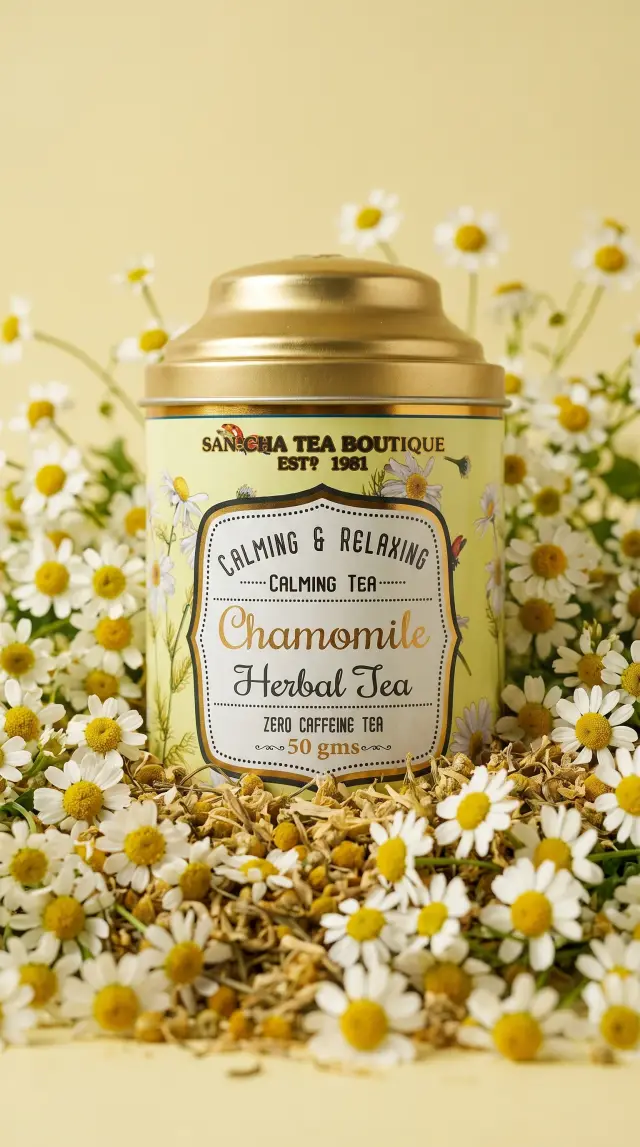
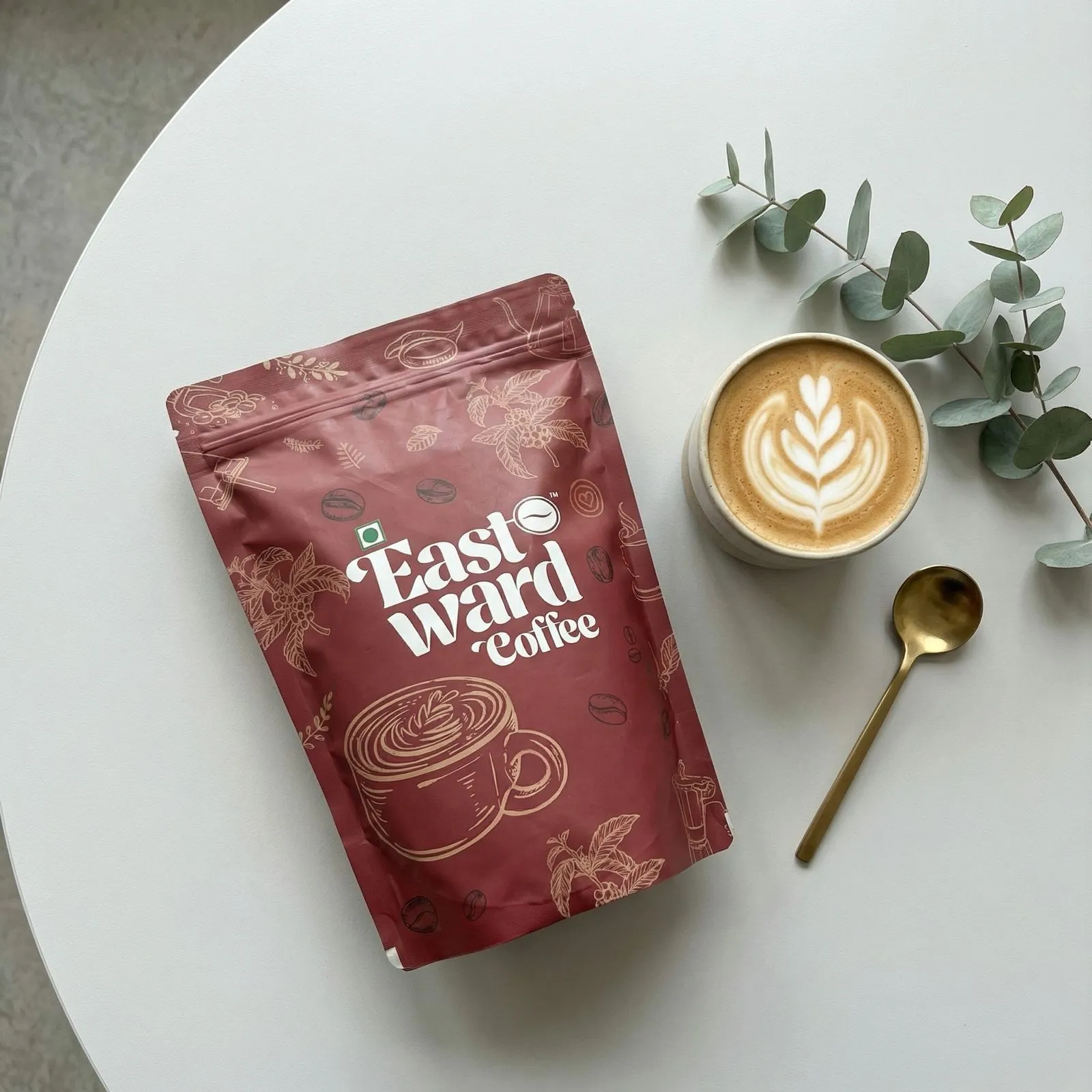
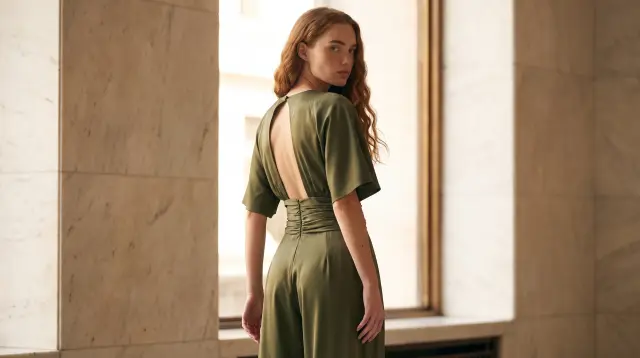
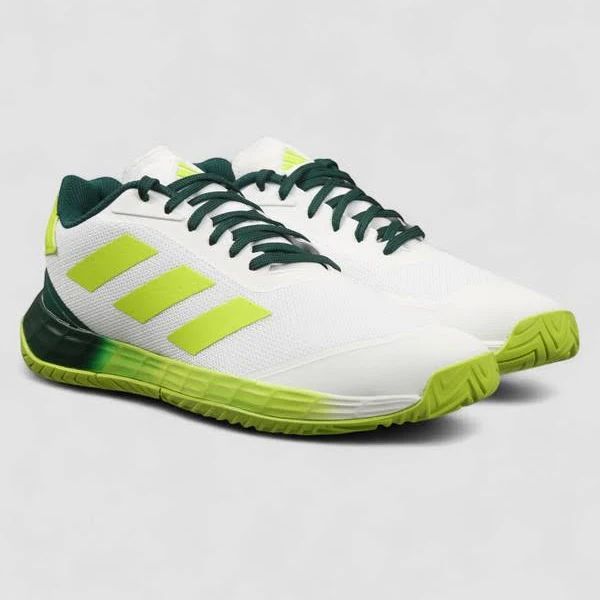
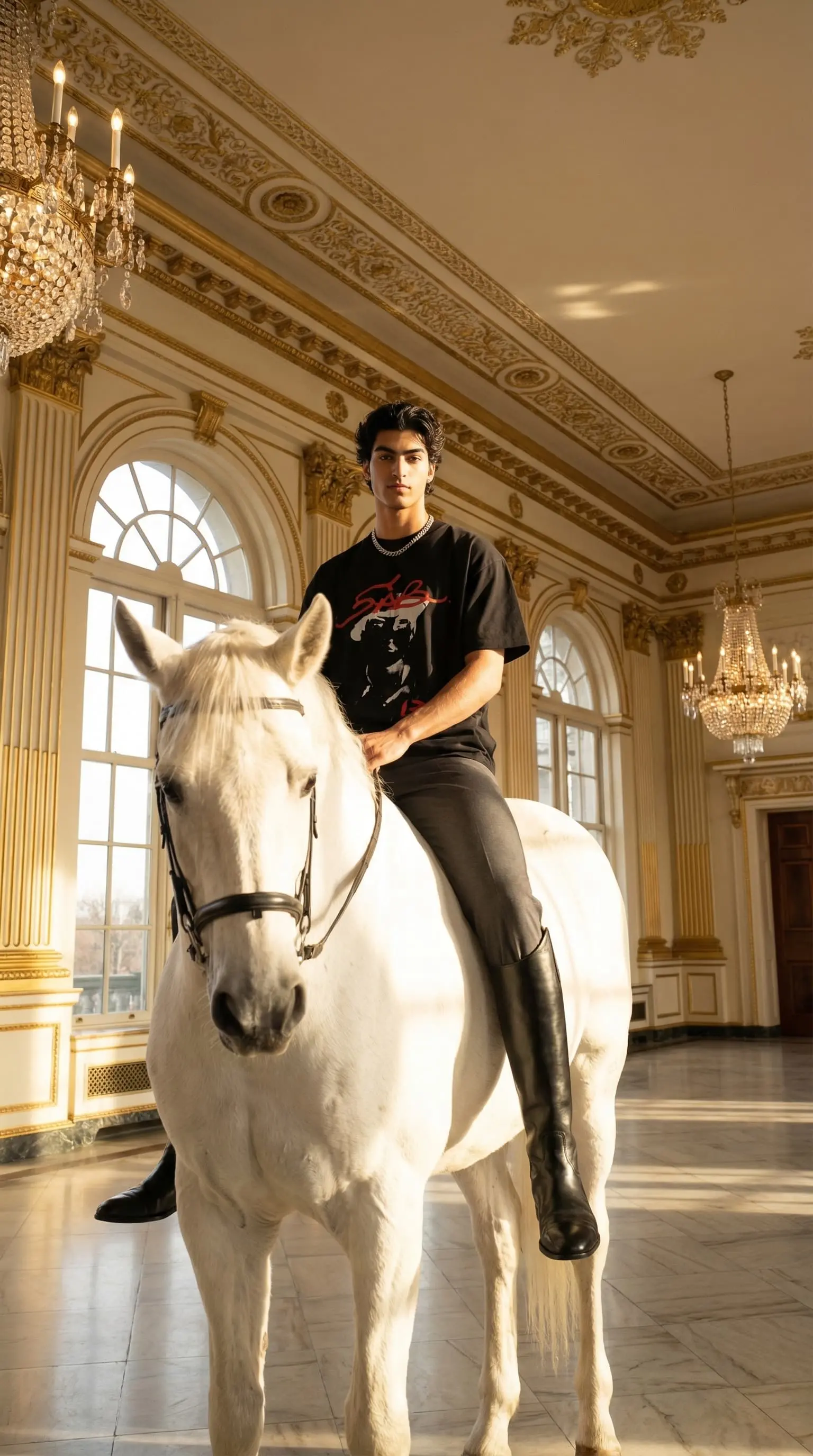
You photograph product bundles by treating them as a single cohesive unit rather than pasting individual SKUs together in a sloppy digital collage. A winning bundle photo must instantly communicate combined value, showing distinct scale, relationship, and purpose.
Definition
Bundle photography is the practice of shooting multiple related ecommerce products together in a single, cohesive frame. This visual technique demonstrates the combined utility of a curated kit or gift set to convince shoppers to purchase the entire collection rather than isolated components.
Most ecommerce bundle images fail completely because they look like a hostage situation between unrelated items. Slapping three isolated product shots onto a sterile white background does not convince anyone to spend more money. Shoppers buy kits and gift sets because the combination solves a complete, unified problem. The photograph needs to reflect that specific unified solution.
(To be fair, compositing individual images in Photoshop makes sense when you are quietly testing a bundle concept before committing serious inventory. But once a kit proves it can actually sell, you absolutely need a dedicated image that makes it look intentional.)
The harsh reality of traditional product set photography is the brutal math. Photographing every possible bundle permutation in a physical studio gets expensive fast. The heavy logistical cost of styling and shooting twenty different kits often wipes out the precious margin gained from the higher average order value.
Why bundle photography styling matters for average order value
If you want to move the needle on total revenue without paying to acquire new customers, you bundle. But the visual execution of that bundle heavily dictates the conversion rate. When shoppers look at product bundle photos ecommerce brands put out, they are mentally calculating whether the package deal is truly worth parting with more cash upfront. If the image looks cheap, the bundle feels like a desperate inventory dump rather than a beautifully curated collection.
How visual cohesion drives perceived value
Visual cohesion happens naturally when items share the exact same lighting, shadows, and physical space. When you photograph a skincare routine or a complex supplement stack together in the same frame, they naturally cast shadows on each other. That subtle physical interaction in the image signals clearly to the buyer that these items belong together.
The brain effortlessly processes a single, premium unit instead of three separate items that happen to share a webpage layout. This is the ultimate secret to aov increase photography. You are not just aggressively showing more stuff. You are showing a bigger, better experience.
A well-styled bundle photo communicates the combined value of the entire kit instantly.
How to photograph product bundles that actually convert
Getting the shot right requires highly intentional styling. You cannot just group items randomly on a table and hope for the best. You have to arrange them deliberately so the hero product leads the eye while the supporting products frame it perfectly.
Mastering the flat lay bundle
The flat lay bundle is an ecommerce staple for a reason. It works exceptionally well for flat beauty products, complex apparel kits, and detailed subscription boxes. The real trick to a proper flat lay bundle is geometry. You need to arrange the items to create a solid visual triangle or a clean, rigid grid.
If you are shooting a dedicated gift set, always keep the premium packaging in the frame. The box itself acts as a strong visual anchor for the items sprawling playfully out of it. Spacing is extremely critical here. If items overlap too much, the image gets hopelessly cluttered. If they are placed too far apart, the bundle immediately loses its cohesive feel. Choosing the right backgrounds for bundles makes or breaks this delicate geometric balance. A textured surface adds necessary depth, while a stark white background can leave a flat lay looking like a clinical autopsy.
Creating the lifestyle bundle
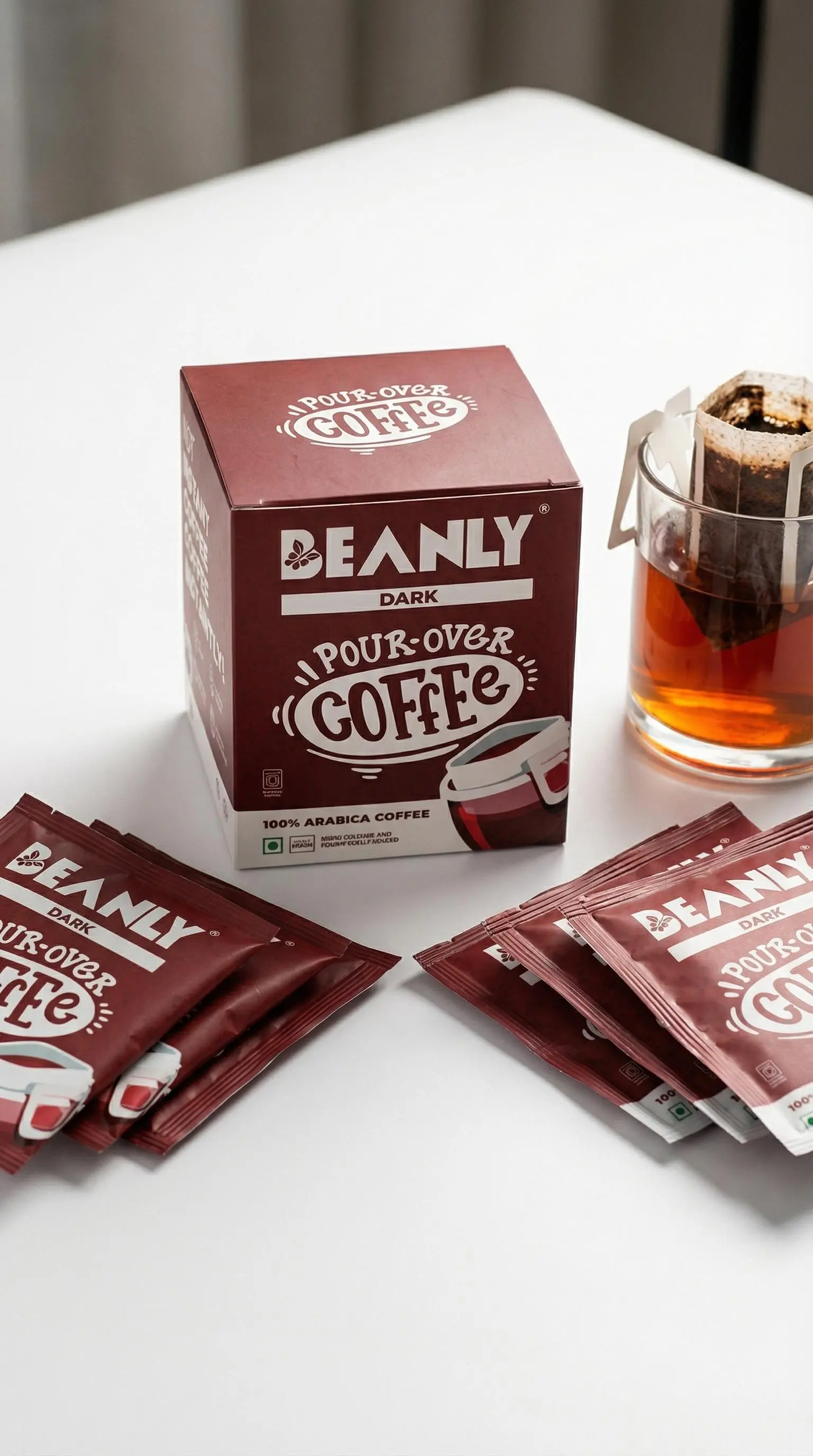
A lifestyle bundle places the products directly in their natural, expected habitat. If you are selling a premium coffee starter kit, the photo should show the roasted beans, the burr grinder, and the glass pour-over resting gracefully on a kitchen counter next to a steaming mug.
Lifestyle bundle photography is entirely about context. It helps the skeptical shopper visualize the end result of using the entire kit in their own home. This approach usually requires far more effort in styling and set design, but it pays off heavily by reducing the cognitive load on the buyer. They do not have to struggle to imagine how the products fit into their life because you are already showing them directly.
What makes ecommerce bundle images look high value?
Selling a premium gift set requires a distinctly different visual language than selling a single basic utility item. High value is communicated clearly through deliberate styling choices that signal unmatched quality.
Prop selection and accurate scale
Scale is the absolute fastest way to ruin a bundle photo. If you digitally composite a tiny travel-sized serum next to a massive tub of body moisturizer without perfectly matching the perspective, the buyer instantly loses trust. The image looks fake, and by extension, the offer looks untrustworthy.
Shooting items together in real life solves the tricky scale problem, but it requires the right environment to look natural. Sourcing the perfect props for bundle shots helps heavily anchor the products in reality without ever stealing the show. If you are selling a luxury bath relaxation kit, adding a simple folded linen towel and a warmly lit candle elevates the scene immediately. Keep the props strictly secondary at all times. The moment a cute prop steals attention from the core bundle, it becomes a severe liability.
The heavy cost problem with product set photography
Every brand wants fifty different bundle variations to test heavily, but nobody wants to pay a photographer to shoot fifty variations. Traditional studio shoots require massive time, rented space, and a lot of delicate handling. If you launch a new seasonal flavor or an updated colorway, the whole bundle inevitably has to be shot again from scratch.
Solving the margin drain with AI product photography
This is exactly where the standard production model breaks down entirely. You either forcefully sacrifice your margin by paying for constant reshoots, or you knowingly sacrifice conversion by using terrible Photoshop mockups that look noticeably fake.
| Production Method | Traditional Studio Shoot | AI Generation |
|---|---|---|
| Cost per Image | $150+ per unique variation | Under $5 per variation |
| Turnaround Time | Several weeks of planning and shooting | Generated in a few minutes |
| Iteration Speed | Requires booking an entirely new shoot | Instantly adjust backgrounds and styling digitally |
CherryShot AI fixes this massive bottleneck completely. You upload a clear image of your grouped products, select a highly tuned visual mode like Lifestyle or Minimalist, and generate stunning, campaign-ready photos in just minutes. Using AI for bundle photography means you can quickly generate endless, beautiful environments for your kits without ever booking a physical studio.
The painful per-image cost drops from $150 to well under $5. The frustrating turnaround time goes from three long weeks to a casual afternoon. You can concept a fresh Valentine's Day gift set photography angle in the early morning and have the targeted ads running confidently by lunch.
Planning your bundle photography styling
Before you even touch an expensive camera or open an AI tool, you need a solid plan. The absolute most expensive mistake brand founders make is skipping the concept phase and foolishly hoping the hired photographer figures it out on set.
Defining the visual hierarchy
Every single bundle has a star. Even in a set of supposedly equal items, one product must firmly anchor the composition visually. If you are selling an expensive camera body with three basic lenses and a carrying bag, the camera body is the undeniable hero. The lenses exist simply to frame the hero. The bag sits quietly in the background providing necessary context.
If you give every single item equal visual weight, the human eye does not know where to land first. The image instantly becomes chaotic and overwhelming. To easily avoid this, you must establish a clear visual hierarchy early. Place the highest-value item front and center, or elevate it slightly above the rest of the pack.
Handling reflections and difficult shadows
Lighting one product is easy enough. Lighting five products of varying materials in a single, tight frame is an absolute nightmare. Products with different finishes reflect light entirely differently. A matte cardboard box heavily absorbs light, while a glossy glass bottle brightly reflects everything in the room, including the frustrated photographer.
Shadows are deeply critical for grounding the products, but they can also easily create messy overlaps that ruin important labels. If the dark shadow from a tall shampoo bottle falls directly across the front text of a small jar of pomade, the image is functionally useless. You fix this by constantly adjusting the physical distance between items or radically altering the steep angle of the main light. It takes relentless, tedious tweaking, which is exactly why physical studio shoots run four hours over schedule.
When you use CherryShot AI, the intelligent engine calculates the complex light and shadow relationships automatically. The items consistently look like they exist in the exact same physical space because the AI seamlessly renders the environmental lighting across the entire group uniformly.
Using ecommerce bundle images across different channels
A single bundle photo rarely works perfectly everywhere. The specific image you use on your product detail page serves a very different functional purpose than the image you use in a targeted, aggressive Facebook ad.
Product detail page optimization
On the product detail page, pure clarity is your only real goal. The shopper has already clicked. They are interested. Now they desperately need to see exactly what they are actually getting in the box. The primary image should be a brilliantly clean, well-lit shot on a neutral background. They need to count the specific items. They need to read the printed labels clearly. If the bundle includes tiny but crucial accessories like charging cables, measuring scoops, or spatulas, those items must be distinctly visible, not hidden playfully behind larger hero objects.
Advertising and social media assets
In a social ad, clarity takes a back seat to raw thumb-stopping power. The image has to grab immediate attention in a crowded, noisy feed. This is where rich lifestyle bundle photography truly shines. You aggressively want high contrast, bold colors, and an immediate emotional hook. Showing the premium products in use, or beautifully styled in an aspirational, wealthy setting, performs much better than a sterile catalog shot.
The real challenge is securely producing enough variations to comfortably avoid catastrophic ad fatigue. Brands that win are the ones successfully generating dozens of fresh lifestyle environments for a single bundled offer and letting the ad platform algorithm ruthlessly find the ultimate winner.
Frequently Asked Questions
How do you photograph product bundles for ecommerce?
Photograph product bundles by physically or digitally grouping the items so they share identical lighting, shadows, and environmental context. This shared atmosphere prevents the final image from looking like a cheap collage and demonstrates that the components function as a unified package. Place the highest-value hero product prominently in the composition, and arrange the supporting accessories around it to establish a distinct visual hierarchy.
What makes bundle photography look high value?
Bundle photography looks high value when it features accurate scale, consistent lighting, and deliberate geometric spacing between items. Products casting realistic physical shadows on one another firmly grounds the composition in reality, proving it is a genuine collection rather than a quick digital mockup. Incorporate subtle, premium props that match the core aesthetic to elevate the overall scene without distracting from the actual merchandise.
How does bundle photography affect ecommerce add-on sales?
Strong bundle imagery directly increases average order value by removing visual friction and eliminating buyer hesitation. Shoppers who see exactly how individual products complement each other within a single cohesive frame are much more likely to purchase the complete set instead of abandoning the add-ons. Presenting a polished, unified photograph prevents the offer from looking like a desperate inventory dump.
What is the best style for photographing gift sets?
The most effective style for photographing gift sets is a top-down flat lay or an aspirational lifestyle scene that prominently features the outer packaging. Keeping the custom box or premium wrapping visible within the frame firmly anchors the scattered products and emphasizes the core gifting intent. Apply soft, inviting directional lighting to ensure the entire package feels like a highly desirable consumer experience.
Key Takeaways
- Visual cohesion immediately drives perceived value, effectively turning individual items into a premium package.
- Flat lay geometry strictly requires precise spacing and clear visual hierarchy to avoid looking severely cluttered.
- Traditional studio setups rapidly drain the delicate margin gained by successfully selling higher-ticket kits.
- AI generation allows rapid, aggressive testing of bundle environments without massive reshoot costs.
You no longer have to choose between protecting your margin and producing high-converting bundle photography. Upload your grouped kit to CherryShot AI today, select your preferred aesthetic mode, and generate flawless campaign images in minutes.
Audit your product bundles for visual cohesion
Review your current top-selling kits to ensure they look like intentional collections rather than cheap digital composites. If your add-on imagery is costing you conversions, drop your product photos into CherryShot AI to instantly generate high-value lifestyle scenes.
Try CherryShot AIContinue reading
See how automated fashion shoots eliminate the massive logistics of booking on-set talent.
How AI Model Shoots Work for Ecommerce
Understand the deep technology driving faster, drastically cheaper visual content creation.
How AI Product Photography Works
Learn the specific visual triggers that successfully turn casual browsers into actual buyers.
What Makes an Ecommerce Product Photo Convert
Master the art of documenting your brand guidelines for flawless, repeatable visual execution.
Writing a Product Photography Brief for Consistent Results
Stop wasting serious money on complex set design elements that only distract from your actual product.
Product Photography Props: What Works and What Wastes Budget
Discover exactly which studio backdrops consistently drive the highest engagement for catalog shots.
The Product Photography Background Guide