Professional Product Photography and Brand Credibility: Why Image Quality Is the First Brand Signal a New Visitor Evaluates
Founders frequently spend six months and thirty thousand dollars perfecting their brand identity. They argue over typography. They refine their mission statement. Then they launch their site and wonder why visitors bounce in three seconds. The reason is usually staring right back at them from the hero banner. Professional product photography and brand credibility are not two distinct concepts. Your product image is the literal ceiling of your brand credibility. If the photo looks cheap, your product is cheap in the eyes of the consumer.
Definition
Brand credibility in ecommerce refers to the degree of trust a consumer assigns to a business based on its visual and operational signals. Professional product photography serves as the primary visual proxy for physical product quality, signaling to buyers that the company possesses the resources and competence to deliver on its promises.
Visitors do not read your thoughtful "About Us" page before deciding if you are a legitimate business. They scan your visual presentation. They look at the lighting on your bottle, the texture of your fabric, and the sharpness of your shadows. That visual scan happens in milliseconds. It tells the buyer exactly what tier of brand they are dealing with.
You can try to build customer trust with extensive copywriting and ironclad return guarantees. But if the main product image looks like it was shot on a smartphone in a dim warehouse, those words become invisible. The brain processes the image first and filters every subsequent piece of information through that initial impression.
The Disconnect Between Brand Positioning and Visual Output
When your copy writes checks your images cannot cash
Most ecommerce operators understand the concept of positioning. They know they want to be perceived as a premium alternative to Amazon. The problem arises in execution. You hire an agency to dial in your voice. You source high quality materials for your product. Then you get to the catalog photography phase and the budget runs tight. You compromise. You tell yourself the product speaks for itself.
The product never speaks for itself online. The photograph speaks for the product.
This creates massive cognitive dissonance for the shopper. The price point says luxury. The description uses words like bespoke and artisanal. The photo features blown out highlights and a gray background that was supposed to be white. When you force a customer to reconcile a premium price with a bargain basement presentation, they simply leave. Confusion kills conversions instantly.
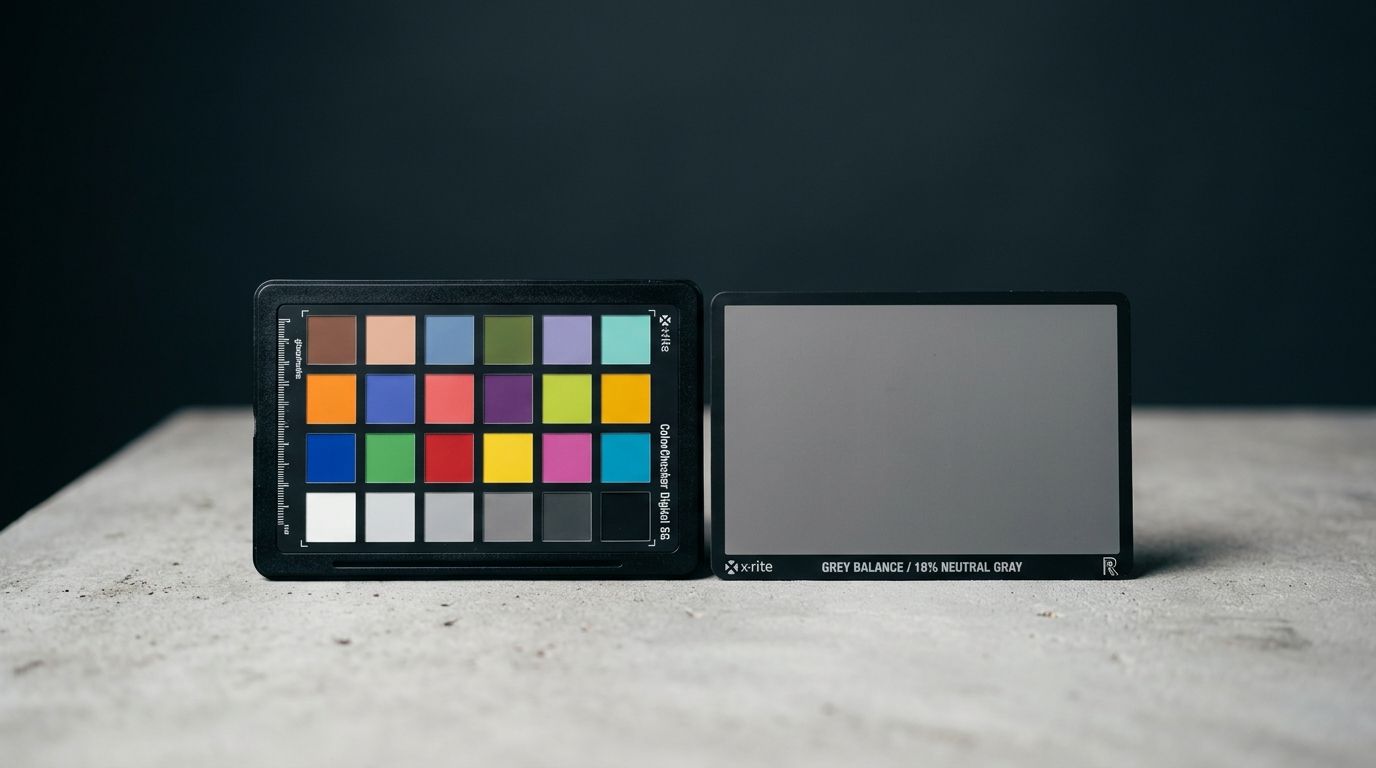
A premium visual baseline instantly communicates brand competence.
Founders constantly ask how to avoid looking cheap online, usually while staring at a massive invoice from a branding agency. The answer is rarely a new logo. The answer is almost always upgrading the visual baseline of the catalog.
What Premium Brand Photography Actually Communicates
The hidden mechanics of visual trust
We need to define what professional product photography actually means in an ecommerce context. It is not merely the absence of blur. It is the deliberate application of lighting to showcase texture. It is the structural consistency of how products align across a collection page. It is the subtle drop shadow that anchors an item in reality.
When a customer sees a beautifully lit product, they make subconscious assumptions about the company behind it. They assume you have capital. They assume your operations are stable. They assume that a company willing to obsess over the lighting on a mere photograph will also obsess over the stitching on a garment or the ingredients in a serum. Professional photos act as a proxy for operational competence.
Conversely, amateur photography signals a lack of resources. If you cannot afford to present your product properly, what else are you skimping on? Are your shipping times accurate? Will your customer service team answer an email? When you factor in the hidden costs of bad photos, the initial savings of doing a cheap shoot evaporate entirely. You end up paying for that bad photography every single day through a suppressed conversion rate and an inflated customer acquisition cost.
(You do not need to shoot every single catalog item in a rented villa in Italy. You simply need a consistent baseline that removes doubt and answers the user's immediate visual questions.)
Fixing the Logistics of Brand Tier Product Photography
Removing the traditional studio bottleneck
Knowing that you need professional photography is easy. Executing it at scale is where operations fall apart. The traditional model forces a painful compromise. You either pay a premium rate for a full studio day, or you accept lower quality to stay within budget. I have sat through enough four hour studio overruns to know that the traditional model is broken for modern volume.
The invoice is never just the photographer. You are paying for the space rental, the styling assistants, the equipment transport, and the endless back and forth during the retouching phase. The genuine trade-off with traditional studio work is that achieving absolute perfection on every single background pixel takes an immense amount of manual labor.
This is precisely why we built CherryShot AI. General purpose AI tools fail at product photography because they hallucinate details and morph your label. Traditional studios fail because they are too slow and too expensive for high SKU counts. CherryShot AI sits directly in the sweet spot for ecommerce operators.
| Production Method | Average Cost Per SKU | Turnaround Time |
|---|---|---|
| Traditional Photo Studio | $50 to $250+ | 2 to 4 weeks |
| General Purpose AI | $0.10 to $1.00 | Minutes (but hallucinates details) |
| CherryShot AI | Under $5 | Minutes (maintains exact product) |
You upload a standard product image. You select a visual mode that matches your brand tier, whether that is Minimalist for a clean skincare line or Loud Luxury for a premium accessory. CherryShot AI generates campaign-ready photos in minutes. The per-image cost drops to under $5. You get absolute consistency across your entire catalog without ever booking a freight elevator or arguing over a contact sheet again. Your brand credibility visual signal stays perfectly intact while your production timeline shrinks from three weeks to three minutes.
When you eliminate the friction of creating premium imagery, you stop treating professional product photography as an occasional luxury. It becomes your standard operating procedure. That shift in baseline quality is exactly what elevates an average store into an authoritative brand.
Frequently Asked Questions
Does product photography quality affect brand perception?
High-quality product imagery establishes the literal baseline for how consumers judge your entire operation before they read a single word of copy. Online buyers unconsciously equate muddy shadows and careless cropping with unreliable manufacturing and terrible customer service. Audit your current catalog immediately and replace any hero image that fails to clearly display material textures or lacks a pure white background.
How do I make my ecommerce brand look more professional?
Establish a strict, repeatable visual standard across your entire product line rather than relying on a patchwork of mismatched styles. A cohesive grid of consistently lit, perfectly aligned images signals operational maturity and instantly separates legitimate brands from drop-shipping operations. Build a comprehensive style guide that dictates exact camera angles, lighting ratios, and background hex codes for every future catalog addition.
What is the relationship between photography and brand credibility?
Photography functions as the sole proxy for physical quality when customers cannot hold an item in their hands. Buyers assume that if a brand lacks the capital or care to present a product accurately online, the physical item will be equally disappointing. Invest in lighting setups that highlight fine details like fabric grain, stitching, or surface finishes to prove your manufacturing competence.
How does product image quality affect perceived brand value?
Premium visual presentation directly reduces price resistance and allows operators to confidently command higher retail margins. Customers naturally assign greater monetary value to items photographed with deliberate lighting, crisp focus, and intentional styling compared to identical goods shot flat against an unlit wall. Place your flagship products in contextual, well-lit environments that precisely mirror the aesthetic aspirations of your highest-paying target demographic.
What does professional product photography communicate about a brand?
It visually guarantees stability, financial health, and an obsessive attention to operational detail. Shoppers recognize that companies investing heavily in their visual assets intend to remain in business long enough to fulfill orders and honor return policies. Shoot your entire core collection using consistent focal lengths so your category pages look like an established enterprise rather than a weekend hobby.
Key Takeaways
- Your product image is the absolute first indicator of brand trust a new visitor encounters.
- Premium positioning fails entirely if the catalog photography looks cheap or rushed.
- Professional imagery acts as a visual proxy for manufacturing quality and operational competence.
- CherryShot AI allows brands to maintain luxury visual standards across thousands of SKUs without the traditional studio bottleneck.
Brand credibility is not something you write into existence on an about page. It is something you prove visually every single time a visitor lands on a product page. Start treating your image quality as the definitive signal of your brand value, and the conversions will follow naturally. If you are tired of waiting weeks for studio deliverables that barely hit the mark, it is time to look at CherryShot AI.
Audit your product page images before your next campaign
Evaluate your top-performing product pages and identify any visual inconsistencies causing friction. If your hero shots look dated or lack proper lighting, you are likely losing conversions right at the point of sale. Upload a standard photo to CherryShot AI and generate a campaign-ready, premium image in under three minutes.
Try CherryShot AI