My Shopify Store Gets Traffic But Nobody Buys: Is My Product Photography the Problem?
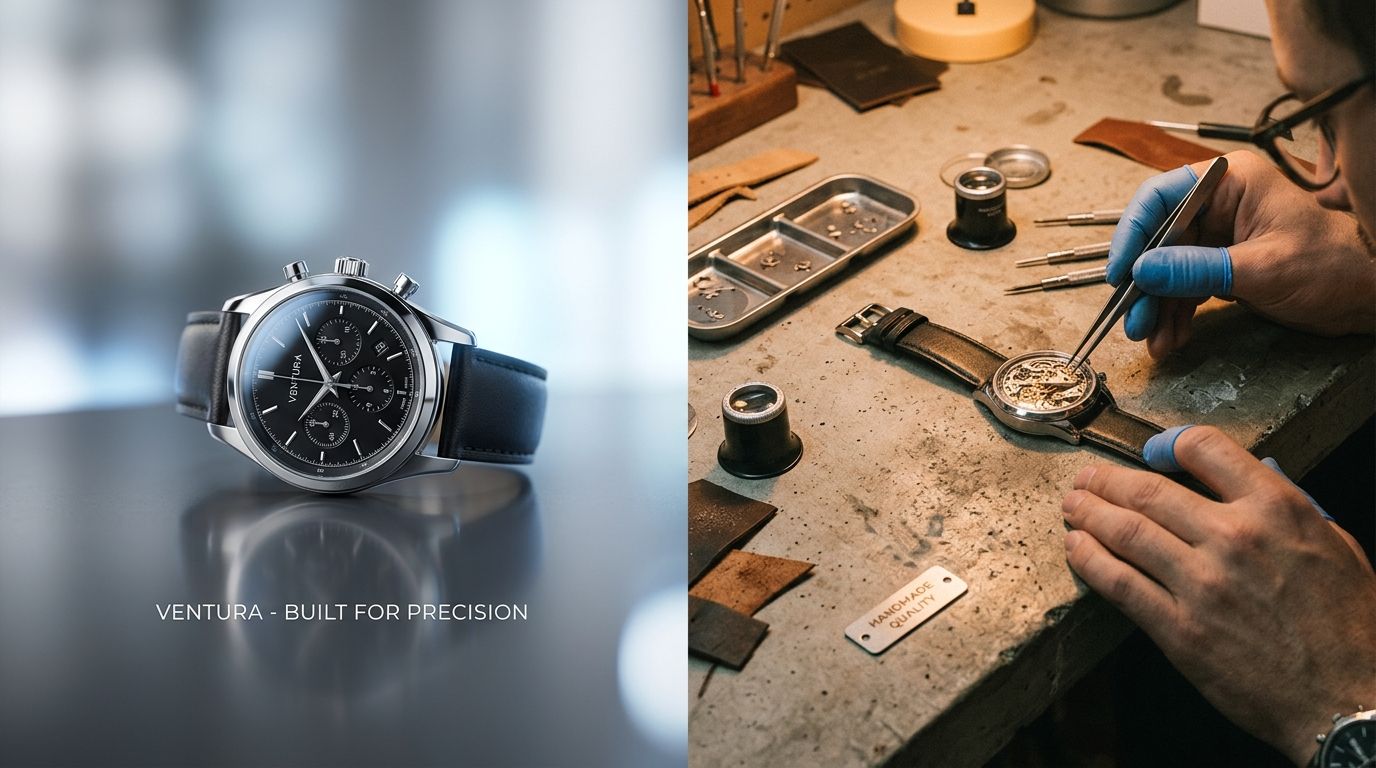
You finally solved the traffic problem. The paid ads are working, the cost per click is down, and real people are landing on your Shopify store. Then they leave. No add to cart, no checkout, no revenue. When a store gets traffic but nobody buys, the immediate instinct is to blame the pricing or the product itself. In my experience running ecommerce brands for eight years, the actual problem is almost always visual. Your product photography is failing to justify the purchase.
Definition
Product photography in ecommerce refers to the visual assets displayed on a store page to represent an item's appearance, quality, and scale. It serves as the primary tool for establishing buyer trust by replacing the physical tactile experience of in-store shopping.
Think about the modern buyer journey. A user clicks an ad because the promise hooked them. They arrive on your product page with a high degree of intent. If they bounce within ten seconds, the page broke the promise of the ad. The fastest way to break that promise is by presenting them with flat, poorly lit, amateur product photos that make your brand look unreliable.
(Worth noting: sometimes a traffic spike with zero sales is just bot traffic or a terribly targeted ad campaign. But if your session duration is over forty seconds and nobody is buying, the visitors are real. They just do not trust what they see.)
To be completely honest, replacing your photos will not fix a product that nobody actually wants. If the core offer is fundamentally broken, no visual upgrade can save it. But if you know the product is good, and it simply fails to convert online, your presentation is the bottleneck. The gap between a click and a sale is entirely built on trust.
Diagnosing the Traffic to Sales Gap
A healthy Shopify store should convert at roughly two to three percent. If your conversion rate is sitting at 0.4 percent while thousands of visitors pour in, you are hemorrhaging ad spend. You need to identify exactly where the user is abandoning the journey. Do they read the description? Do they scroll through the image carousel? Do they check the price and leave immediately?
| Metric | Indicator | Fix Required |
|---|---|---|
| High Bounce Rate | Visual Disconnect | Improve Hero Imagery |
| Low Cart Additions | Lack of Trust | Add Lifestyle/Scale Shots |
| High Session Time | Information Gap | Add Detailed Specs |
When to blame the ad versus the product page
Look at your bounce rate and your average session duration. If a visitor clicks a Facebook ad for a luxury leather wallet and lands on a page that looks like a wholesale dropshipping catalog, they will bounce in under three seconds. That is a visual disconnect. The ad promised a premium experience. The product page delivered a cheap reality.
If you want to understand how to bridge this gap, you need to fix your product page conversion by auditing the first thing the customer sees above the fold. The hero image is responsible for ninety percent of the initial impression. If that image lacks polish, the customer will never scroll down to read your carefully crafted copywriting.
The trust deficit in ecommerce
In a physical retail store, a customer can pick up an item, feel its weight, inspect the stitching, and judge the materials. In an online store, they have absolutely nothing but your product photography. Your images act as a proxy for physical touch. When photos are blurry, inconsistent, or clearly shot on a wrinkled bedsheet, the customer instinctively doubts the quality of the product itself.
Many founders are shocked to find out that their images are causing low add-to-cart rates even when their pricing is aggressive. They assume a low price makes up for a bad photo. It does not. A bad photo makes a low price feel like a scam, and it makes a high price feel insulting.
Why Your Product Photography Is the Culprit
Let us talk about exactly what makes a product image fail. It usually comes down to a mismatch in perceived value or a complete lack of context. You cannot simply upload a raw snapshot from your phone and expect a stranger to hand over their credit card.
The visual mismatch between price and perception
If you are selling a fifty dollar candle, it needs to look like a fifty dollar candle. It cannot look like a dollar store clearance item. High ticket items require high ticket visual framing. This means proper lighting, deliberate shadows, and a background that elevates the product.
If your current aesthetic is hurting your sales, you can fix a cheap-looking brand simply by changing the environmental context of your products. You do not need to redesign your logo or change your fonts. You just need images that match your price tag.
Missing context and scale
A pure white background shot is necessary for a catalog, but it tells the customer absolutely nothing about the size or the real world application of the product. If you sell a weekender bag, a customer needs to know if it fits under an airplane seat. If your only photo is a floating bag on a white backdrop, they have to hunt through your description for the dimensions. Customers hate hunting for basic information.
This is where lifestyle imagery becomes critical. You have to show the product in use. You have to show it next to recognizable objects so the brain can immediately process its scale. If you do not answer these silent questions visually, the customer will simply close the tab.
How to Test Your Product Photos
The old way of fixing this problem involved calling a freelance photographer, shipping them your inventory, waiting three weeks for a studio slot, and paying an invoice that you could not really afford just to see if new photos might help. That era is over. You can diagnose and treat the problem today.
The quick replacement test
Do not guess whether your photos are the problem. Prove it. Take your worst performing product that still gets decent traffic. Replace the main image with a drastically superior version.
You can do this right now using CherryShot AI. You upload your existing mediocre photo, select the Minimalist or Luxury visual mode, and the tool generates campaign-ready photos in minutes. Take the new image, swap it into your Shopify store, and watch your add-to-cart metric for the next five days. If the rate jumps, you have identified your exact bottleneck. The problem was never your product. It was your presentation.
Escaping the production bottleneck
Any brand still running a full studio shoot for standard catalog images is paying for logistics, not quality. The invoice is studio rental, the stylist, and the massive delay in your launch schedule. When you use general-purpose AI image tools, you often get warped products and messy details. When you use a specialized AI product photography tool like CherryShot AI, you get crisp, accurate imagery tailored for ecommerce. The per-image cost drops to under five dollars.
When you can generate imagery for a new collection in twenty minutes instead of booking another shoot day, you can finally run real conversion tests. You can test a dark moody background against a bright lifestyle setting. You let the data decide what works.
Key Takeaways
- Traffic without sales usually indicates a massive trust deficit on the landing page.
- Poor product photography breaks the visual promise made by your paid advertisements.
- Your imagery must visually justify your price tag to prevent immediate bounce rates.
- Replacing your product images using AI is the fastest way to run a conversion rate test.
Audit your product images before your next campaign
Review your top-performing products to see if your hero images match your brand positioning. You can create a test version of your primary product photo to see if higher-quality visuals increase your add-to-cart rate.
Try CherryShot AIFrequently Asked Questions
Why does my Shopify store get traffic but no sales?
Traffic measures interest, but sales indicate trust. If shoppers arrive from ads, the intent exists. When they leave without buying, the landing experience breaks their confidence. Usually, the product photography fails to validate the price point or answer basic visual questions about the item. Proper imagery addresses these doubts immediately by proving quality, scale, and utility to the browser. High-quality visuals bridge the gap between initial curiosity and a completed checkout.
Is bad product photography causing my low conversion rate?
Poor photography often kills conversions when your pricing and shipping terms are competitive. Product photos represent the closest interaction a customer has with your physical items. If the lighting is flat, the resolution is low, or the context is missing, the customer assumes the product is cheap or unreliable. These visual flaws trigger skepticism that prevents the user from clicking the add to cart button, regardless of how good the product actually is.
How do I diagnose product page conversion problems on Shopify?
Start by reviewing your funnel metrics within the Shopify dashboard. Focus on the drop-off rate between page views and add to cart events. If session duration appears high but cart additions remain near zero, the friction resides on the page. Install a heatmap tool to observe if users zoom in on your photos and then leave out of frustration. Identifying this specific bottleneck helps you determine if the visual presentation causes the bounce.
What conversion rate should a Shopify store have?
Healthy stores typically maintain a conversion rate between two and three percent. High-ticket items might see rates closer to one percent due to longer decision cycles. If your store converts under one percent across thousands of visitors, a fundamental issue exists with your offer or your presentation. Frequent testing of your visual assets helps determine if your current imagery falls short of customer expectations for your specific price point and market niche.
How do I test whether better product photos will improve my conversion?
Run a simple sequential test to see if images drive sales. Replace your primary hero image and secondary gallery shots with high-quality alternatives for seven days. Track the add to cart rate during this period against your previous baseline. You do not require a studio or a camera to conduct this test. Use an AI tool to generate professional assets in minutes to determine if improved presentation directly leads to higher purchase rates.
If you are paying for traffic, you cannot afford to have a leaky bucket at the finish line. Stop throwing ad budget at a product page that fails to build trust. Go to CherryShot AI, upload a simple shot of your product, and upgrade your visual presentation today. Let the new conversion data speak for itself.