Ecommerce Return Rate Statistics 2026: Why Products Come Back
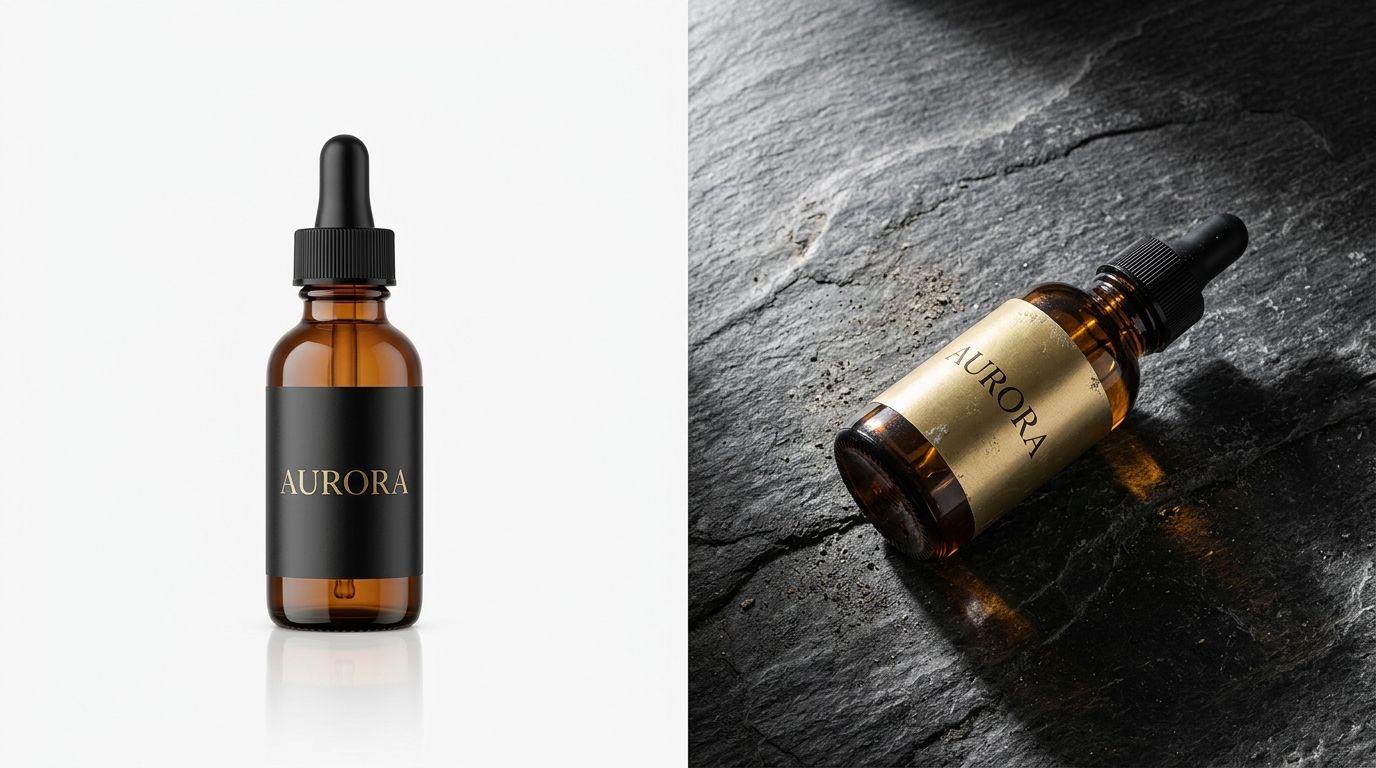
The average ecommerce return rate in 2026 sits right around 17.6 percent across all retail categories. That number answers the most common question founders ask, but it completely ignores the reality of operating an independent store. If you sell apparel or footwear, your baseline is likely closer to 25 percent. Most founders categorize these returns in their analytics dashboard as a sizing issue or customer error when the real culprit is a visual expectation gap on the product page.
Definition
The ecommerce return rate is the percentage of online orders that customers send back to the retailer. This metric tracks all returned inventory resulting from defective goods, sizing issues, or buyer remorse. Operators calculate this figure by dividing the total number of returned units by total sold units over a specific financial period.
(It is completely true that you can never eliminate returns without severely hurting your initial conversion rate, as lenient return policies directly drive confident purchases). Free returns are a powerful customer acquisition tool, but they destroy your margins on heavy, bulky, or low-ticket items.
Founders love to blame the carrier for damaged boxes or blame the customer for not reading the size chart. The reality hidden in the online shopping return statistics is much more painful. The customer received exactly what you shipped, but it did not look like the photo they clicked on. They felt misled. They boxed it back up, printed your prepaid label, and cost you money.
Key Takeaways
- Fashion and footwear categories suffer the highest return rates at over 25 percent.
- Processing a single return costs an average of 66 percent of the original item value.
- The expectation gap created by inaccurate product photos is the leading cause of preventable returns.
- Providing multiple visual angles and contexts drastically reduces buyer remorse and return volume.
The Reality of Ecommerce Returns Data in 2026
Return rates are not just a line item on your profit and loss statement. They are a massive logistical headache that slows down your entire warehouse operation. When a customer decides they do not want an item, the financial bleeding begins long before the package arrives back at your facility.
You pay for the initial outbound shipping. You pay for the return label. You pay an hourly warehouse employee to open the box, inspect the item for wear and tear, and re-fold it. You pay for a new poly mailer. By the time that item is restocked and ready to sell to a new customer, you have already lost money on the inventory.
The True Cost of Reverse Logistics
The cost of processing a return is staggering. Industry benchmarks consistently show that the reverse logistics process eats up roughly 66 percent of the original purchase price. If you sell a sweater for fifty dollars, it will cost you over thirty dollars just to process the return.
This assumes the product is actually in perfect condition. In reality, a large percentage of returned items cannot be sold at full price. They are stained, damaged, or simply missing the original tags. Brands are forced to liquidate these items at a steep discount, donate them, or pay a company to destroy them. The margin erosion is absolute.
Return Rate by Category: Where the Bleeding Happens
Not all ecommerce businesses suffer equally. If you sell digital products, your return rate is practically zero. If you sell consumer electronics, you might sit comfortably around 8 to 10 percent. Electronics generally have clear specifications. A laptop charger either fits the port or it does not.
| Retail Category | Average Return Rate | Primary Return Driver |
|---|---|---|
| Fashion & Apparel | 25% - 30% | Subjective sizing and visual expectation gaps |
| Consumer Electronics | 8% - 10% | Technical defects or incorrect specifications |
| Digital Products | Near 0% | Immediate fulfillment with exact previews |
Why Fashion Leads the Pack
Fashion and apparel brands operate in a completely different reality. Sizing is subjective. A medium in one brand fits like a large in another. Consumers have also adopted a shopping behavior known as bracketing. They buy the same dress in three different sizes, fully intending to keep one and return the other two.
This behavior completely distorts your revenue projections. You see a massive sales spike on launch day, only to watch half of that revenue vanish three weeks later when the returns start hitting the warehouse. Diving deep into how product photos affect ecommerce return rate is the first necessary step to plugging this specific margin leak. When a customer cannot tell how a fabric drapes from your flat lay photo, they buy multiple sizes just to be safe.
The Root Causes: Why Products Actually Come Back
Customers lie on return forms. It is a known fact in the ecommerce industry. When given a drop-down menu of reasons for a return, they will almost always select "Item defective" or "Arrived too late" if they believe it will guarantee them a free return label.
However, when brands follow up with direct customer interviews, a different truth emerges. The product was not defective. It simply did not meet their expectations. The color was slightly less vibrant than it appeared on their screen. The material looked premium in the photo but felt cheap in their hands. The scale of the furniture piece was totally wrong for their living room.
The Expectation Gap
We call this the expectation gap. It is the delta between what the customer imagined they were buying and what actually showed up in the mail. The wider the gap, the higher your return rate.
Closing this gap requires honesty in your presentation. You must understand how to build trust on an ecommerce product page as a small brand before asking consumers to take a financial risk on a high-ticket item. Trust is not built with hyperbole or aggressive copywriting. It is built by showing the product exactly as it exists in the real world, from multiple angles, in appropriate lighting.
When you only provide one perfect, heavily photoshopped hero image, you force the customer's brain to fill in the blanks. They imagine the back of the shirt looks a certain way. They imagine the texture of the leather is buttery soft. When reality fails to match their imagination, they initiate a return.
Fixing the Visual Mismatch Without Breaking the Bank
The traditional advice for lowering return rates is to write better product descriptions. Add a detailed sizing chart. Record a video of the product in motion. All of this is good advice, but it completely ignores how modern consumers actually shop.
People do not read product descriptions on mobile devices. They scroll through the image carousel. If the visual information is not in the photos, it basically does not exist.
How Product Photography Solves Returns
The most effective way to lower your return rate is to flood the product page with visual context. Show the item in a lifestyle setting. Show a macro close-up of the stitching. Show the product next to a common object for scale.
If your current visual presentation is lacking, you must learn how to fix an ecommerce brand that looks cheap without a rebrand to properly set customer expectations. In the past, generating a dozen distinct, high-quality images for a single SKU required a massive studio budget. You had to hire models, scout locations, and pay a freelance photographer thousands of dollars.
This is exactly where AI product photography changes the financial equation. With tools like CherryShot AI, you no longer have to choose between protecting your margins and providing enough visual context. You upload a basic product image, select a visual mode like Lifestyle or Minimalist, and generate hyper-realistic, campaign-ready photos in minutes.
The cost to generate these crucial supporting images drops to a few dollars. Pricing starts at just $10 for 50 images. You can suddenly afford to show your product in ten different lighting scenarios, giving the customer a comprehensive understanding of what they are actually buying. When the customer knows exactly what is coming in the mail, they stop returning it.
You cannot eliminate the logistical friction of ecommerce completely. People will always order the wrong size by mistake. People will always experience buyer remorse. But you can absolutely stop paying the financial penalty for failing to show them the product clearly.
Frequently Asked Questions
What is the current ecommerce return rate in 2026?
The average ecommerce return rate in 2026 sits at 17.6 percent across all retail categories. This baseline metric fluctuates significantly based on your specific inventory, with fashion and apparel routinely suffering return volumes between 25 and 30 percent while hard goods hover around 10 percent. You must combat this specific margin leak by adding detailed sizing charts and clear macro photographs of your fabric textures to every single product page.
What percentage of online orders are returned?
Nearly one in five online orders is returned across the entire retail industry. This volume frequently spikes to 35 percent during the peak holiday shopping season for high-volume apparel categories because consumers expect a risk-free trial period at home. Adding contextual lifestyle images that clearly demonstrate the actual scale and drape of your products directly reduces this expensive holiday return volume.
What are the top reasons customers return online purchases in 2026?
Sizing and fit issues remain the leading stated reason for ecommerce returns across all major markets. A secondary but equally destructive factor is the expectation gap created when a product does not match the online description or imagery provided on the site. You must replace heavily filtered hero shots with color-accurate, multi-angle product photography to prevent customers from returning items that look different in person.
How much do ecommerce returns cost businesses per year?
Processing a standard online return typically costs a business between 60 and 70 percent of the original item price. This financial drain stems from the combined costs of return shipping labels, warehouse receiving labor, quality inspection, repackaging materials, and inevitable open-box inventory discounting. You must track your reverse logistics expenses as a distinct line item in your monthly profit reporting rather than blending them into general shipping costs.
Every return that stems from poor visual communication is a completely preventable loss of revenue. Upgrading your visual assets stops this margin erosion before the customer ever adds the item to their cart. Explore how CherryShot AI helps brands generate accurate, high-converting product photos in minutes.
Audit your product page imagery before your next campaign
Poor visual communication directly drives up your return rate and destroys your profit margins. Review your top-returned products right now and replace single flat-lay photos with context-rich lifestyle images. You can generate these realistic product angles instantly without booking an expensive studio shoot.
Try CherryShot AI