How to Launch a New Product Without Waiting on a Photo Shoot
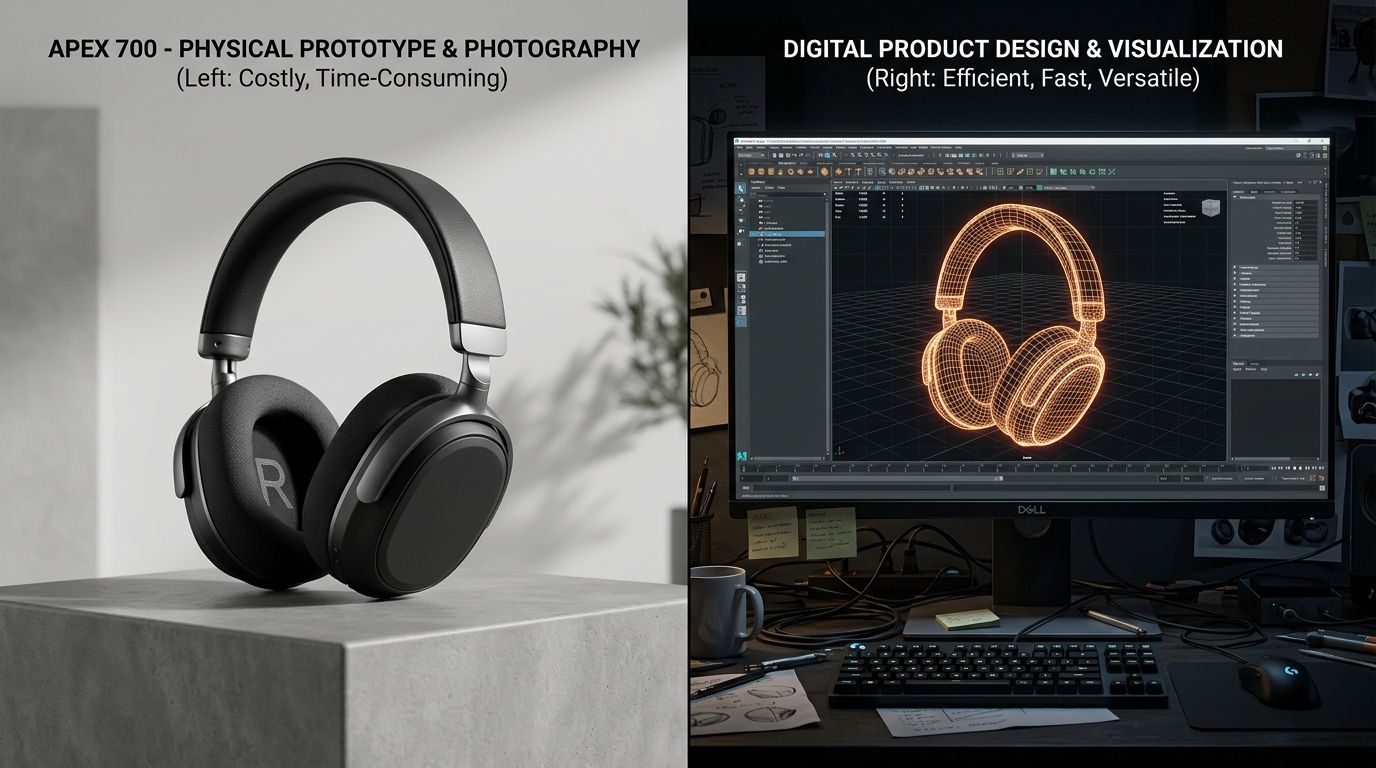
The biggest bottleneck in your product launch calendar is rarely your manufacturer or your logistics provider. It is the three-week lead time required to coordinate a studio shoot, wrangle samples, and wait for retouched files. If you are waiting on a photographer to clear their schedule before you can publish a new SKU, you are losing valuable time in a fast-moving market. Speed to market relies on agility, and traditional production models were never built for the rapid cadence of modern ecommerce growth.
Definition
The product launch photography bottleneck refers to the operational delay caused by booking studio time, stylists, and editors for new item releases. It effectively forces brands to treat every SKU like a major campaign event rather than a standard catalog update.
Why Your Launch Timeline is Stuck
You cannot scale if every SKU requires a new invoice, a new studio booking, and a new set of logistical headaches. The hidden tax of traditional photography is not just the hourly rate of the photographer. It is the lost revenue from products sitting in your warehouse while you wait for images that should have been ready days ago. Smart brands are finding ways to scale without visual bottlenecks by digitizing their production process.
The Hidden Cost of Coordination
Physical production requires moving parts. You must ship samples, ensure they arrive undamaged, and hope the studio team captures the specific angle your brand style guide requires. If the shoot misses the mark, you are back at square one. Understanding what AI product photography can do helps you realize that your internal team can handle the bulk of your catalog needs without ever stepping into a studio.
| Production Method | Typical Latency | Scaling Capacity |
|---|---|---|
| Traditional Studio | 2-4 Weeks | Low (Limited by space) |
| Freelance Photographer | 1-2 Weeks | Moderate (Sample shipping) |
| AI Photography | Minutes | High (Unlimited SKUs) |
Executing a Faster Launch
Moving fast does not mean sacrificing quality. It means prioritizing where you deploy your creative energy. Hero shots, the main banners that define your brand voice, are worth the high-touch, human-led studio session. For the other ninety percent of your catalog, speed and consistency are the only metrics that matter.
Prioritizing Your Assets
A successful launch needs more than just a photo on a white background. It needs context. Using visual assets for product launch protocols ensures you hit the minimum bar for conversion. If you are struggling with a complex product line, CherryShot AI offers modes specifically designed to maintain visual consistency across every category, whether you need lifestyle shots or clean studio catalog images.
The transition to a digital-first photography strategy is not a total abandonment of artistry. It is a pivot toward operational intelligence.
Frequently Asked Questions
Can I launch a product on Amazon or Shopify without a professional photo shoot?
You can absolutely launch a product without a traditional, multi-day professional studio shoot. Modern AI-driven visual tools allow you to generate high-fidelity, campaign-ready imagery from simple product photos. These platforms fulfill the requirements for Amazon and Shopify listing standards by creating consistent, high-quality visuals without the typical logistical wait times. Many brands now use this method to go live within days rather than waiting weeks for outside production.
How quickly can I get product images for a new SKU?
New product images can be generated in a matter of minutes once you have a base photo of your SKU. By uploading a single reference image to an AI photography tool, you remove the need for studio rental, sample shipping, and scheduling models. This workflow turns a three-week production process into an afternoon task. You gain the ability to launch new colorways or variations almost as soon as they arrive in your warehouse.
What is the minimum visual content needed to launch a product listing?
A standard product launch requires a hero shot against a neutral background, at least one lifestyle context image, and a detail shot showing textures or features. These three assets establish trust and provide enough information for a customer to make an informed buying decision. You should ensure your primary images accurately reflect the product scale and color. Anything beyond this baseline serves to improve conversion rates rather than just fulfilling basic requirements.
How do brands launch new SKUs faster without increasing photography costs?
Brands accelerate their launch speed by moving catalog imagery into digital, AI-powered production environments. Eliminating the recurring costs of studio rentals, photographer day rates, and travel expenses keeps your margins intact as you expand your range. You only pay for the assets you generate, rather than the expensive process of creating them. This efficiency allows you to test new products and markets without the financial commitment of a massive, traditional photo campaign.
Key Takeaways
- Traditional photo shoots are a major cause of launch delays due to logistical friction.
- AI photography tools allow you to bypass studio schedules entirely.
- Focus high-budget production on hero assets and automate your standard catalog.
- Digital-first visual strategies protect your margins during product expansion.
Audit your product page images before your next campaign
Review your current SKU catalog to identify where you are still waiting on external production. Try uploading one of your existing images to CherryShot AI to see the difference in turnaround time for a full set of new visual assets.
Try CherryShot AISuccess in modern ecommerce is defined by how quickly you can get ideas to the market. When you use tools like CherryShot AI to handle your imagery, you reclaim your most valuable asset: time.