Meta Ads Traffic Not Converting: The Visual Disconnect
If your Meta ads traffic is not converting, the algorithm is doing exactly what you paid it to do. You have a product page problem. More specifically, you have a visual expectation problem. Shoppers click a beautifully styled lifestyle image in their feed and land on a sterile catalog page. The context vanishes. The vibe disappears. The shopper hits the back button.
Definition
Ad scent refers to the visual consistency between a digital advertisement and the landing page it links to. When the aesthetic, lighting, and context match perfectly across both touchpoints, users feel confident they are in the right place. A strong ad scent prevents the sudden expectation gap that causes shoppers to bounce before buying.
Brands burn thousands of dollars testing new audiences and rotating copy when the true leak in their funnel is right after the click. Meta is delivering high-intent traffic. Your product page is just failing to catch it.
The transition from a dynamic social feed to a static product page is the most vulnerable moment in the ecommerce customer journey. You have seconds to prove they clicked the right link. If the visual aesthetic changes drastically, trust breaks instantly.
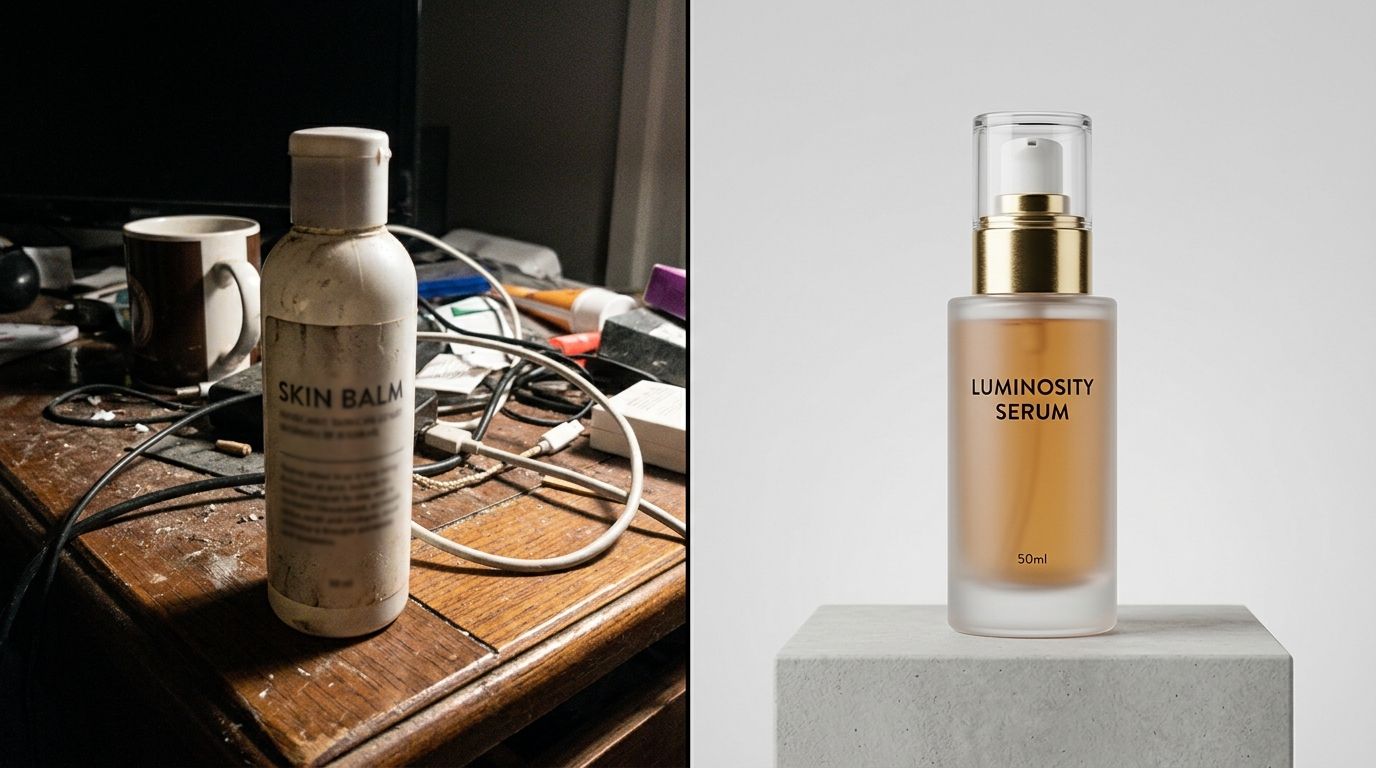
When a rich lifestyle ad links to a sterile product page, the resulting bounce rate destroys your ROAS.
The expectation gap killing your ROAS
When a potential customer scrolls Instagram, they are browsing for entertainment. Your ad interrupts them. It has to be visually arresting to stop the scroll and earn a click. You naturally use your best creative assets here. You use bright lighting, appealing environments, and styled models. The click happens because the shopper bought into the lifestyle you presented.
Then the product page loads. Instead of the warm, inviting scene they just saw, they stare at a single item floating in a sea of pure white pixels. The aesthetic warmth is gone. This visual gap between ad and product page is where impulse buyers reconsider their purchase.
(Worth noting: a white background catalog shot is exactly what a returning customer needs when they just want to restock and click "Add to Cart." But paid social is primarily an acquisition channel. You are trying to convert strangers who need to be sold on the visual identity first.)
We call this expectation gap the visual bait and switch. You promised them a magazine editorial and delivered a warehouse inventory screen. The cognitive dissonance makes them hesitate. In ecommerce, hesitation equals a lost sale.
Diagnosing the drop-off in your data
You do not need to guess if this is happening to your store. Your metrics tell the story clearly. Open your Meta Ads Manager and look at your outbound click-through rate. If your CTR is healthy (anything above 1.5% for most apparel or home goods) but your purchases are zero, stop touching the ad account. The creative works. The targeting works.
Next, open Google Analytics. Look at the bounce rate and the average time on page for the specific landing pages tied to those campaigns. If users are leaving within ten seconds, they are not reading your shipping policy. They are not comparing dimensions. They took one look at the hero image on the product page, felt completely uninspired, and left.
If you want to know how severe this drop-off truly is, check the ecommerce conversion rate benchmarks to see where your category should be landing. If you are converting paid traffic at 0.5% while your industry averages 2.2%, the problem is deeply rooted in your landing page experience.
The psychological concept of Ad Scent
Conversion rate optimization experts refer to this visual continuity as "ad scent." The concept is simple. The imagery, color palette, and general aesthetic of your advertisement must carry over perfectly to your product page landing destination.
Think of it like following a trail. The ad provides the initial scent. When the user clicks the link and lands on the page, the scent needs to be identical or stronger. If the product page looks completely different, the scent breaks. The shopper subconsciously assumes they took a wrong turn and ended up in the wrong place.
This is why throwing more budget at underperforming ad creative rarely fixes a poor ROAS. You can optimize the top of the funnel endlessly. If the bottom of the funnel smells like a completely different brand, you are just buying more expensive bounces.
| Page Element | Ad Scent Maintained | Ad Scent Broken |
|---|---|---|
| Hero Image | Contextual lifestyle shot matching ad | Isolated item on pure white background |
| Shopper Reaction | Immediate visual validation | Cognitive dissonance and hesitation |
| Metrics Outcome | High engagement and add-to-cart rate | Sub-ten-second bounce rate |
How the mobile experience magnifies the problem
Consider how this plays out on a mobile device. Over 90% of your Meta ads traffic is browsing on a phone. When they tap your ad, the in-app browser opens. Before they even scroll, the product image takes up the top half of their screen. The add-to-cart button might not even be visible yet.
That hero image does all the heavy lifting. If it is a flat, uninspiring catalog shot, the user has zero motivation to scroll down and read the product description. They need immediate visual confirmation that the product is as appealing as the ad suggested.
Aligning your product photography with paid social
The solution is not to stop running lifestyle ads. Boring ads will crash your click-through rate and spike your cost per acquisition. The solution is to elevate your product page imagery to match your campaign creative.
The hero image on your product page should feel like a direct extension of the ad they just clicked. If the ad featured a leather bag sitting on a marble café table, the product page needs at least one image showing that same aesthetic context. You have to maintain the visual consistency ad to page.
Admittedly, this presents a massive operational challenge. Updating every single SKU on your store with custom lifestyle imagery takes massive bandwidth. Booking a traditional studio shoot to capture environmental photos for a hundred different products is slow and painfully expensive. It is the reason most brands settle for the white background compromise in the first place.
This is exactly why we built CherryShot AI. You upload your standard catalog photo, select a visual mode like Minimalist or Lifestyle, and generate campaign-ready environmental shots in minutes. The operational bottleneck disappears. You can finally make your product pages look as expensive as the ads driving traffic to them.
Auditing your own funnel today
You can audit your visual consistency right now without opening any analytics dashboards. Open Instagram on your phone. Find your highest-spending ad. Tap the link just like a customer would.
Look at the exact screen that loads. Do not scroll. Just look at what sits above the fold. Ask yourself if the transition feels jarring. Does the image on the screen command the same attention as the ad you just clicked? If the answer is no, you have found the reason your paid social is not converting.
Stop blaming the algorithm for your low conversion rate paid traffic. Facebook and Instagram are exceptionally good at finding people who want to buy your product. It is your job to build a landing page that does not talk them out of it.
Frequently Asked Questions
Why is my Meta ads traffic not converting?
The landing page is failing to meet the visual expectation set by the ad. Users click the link based on a specific aesthetic promise and quickly bounce when the product page offers a sterile, generic catalog experience. Audit your post-click transition to ensure the hero image matches the exact lighting, mood, and styling of the original social media campaign.
Is a low Meta ads conversion rate a targeting problem or a landing page problem?
A strong click-through rate combined with zero sales indicates a landing page failure rather than a targeting issue. If your ads generate clicks at or above the industry average, the platform algorithm and campaign creative are effectively capturing high-intent shoppers. Compare your specific product page bounce rate in Google Analytics against historical data to pinpoint exactly where visitors abandon the site.
What is ad creative to product page visual alignment?
Visual alignment requires the aesthetic, lighting, and context of the advertisement to carry over directly to the ecommerce destination. Shoppers immediately lose the emotional connection that drove their initial click when a moody lifestyle scene links to an isolated item on a pure white background. Upload a visually consistent environmental shot as the primary hero image to bridge the gap between the social feed and the cart.
How do I audit my product page for paid social conversion failures?
Click the link of your highest-spending advertisement on a mobile device and evaluate the exact view that loads above the fold. This immediate transition reveals whether the product page hero image matches the quality, context, and mood of the initial marketing asset. Redesign the top section of the layout to mirror the ad aesthetic if the current screen feels like a completely different brand.
Key Takeaways
- High clicks with low sales indicates a landing page expectation failure.
- A stark contrast between lifestyle ads and generic product shots destroys user trust.
- Maintaining ad scent from creative to product page drastically increases your conversion rate.
- Mobile users require immediate visual validation before they will scroll to read descriptions.
Fixing your Meta ads ROAS does not always require a new media buying strategy. Often, the highest leverage move you can make is fixing the visual disconnect on your site. Match the promise of your creative, hold the customer's attention, and watch your conversion rate recover.
Audit your product page visuals before scaling budget
Stop paying for traffic that bounces due to a broken visual experience. Replace your sterile white background photos with campaign-ready lifestyle images that match your Meta ads. Generate high-converting environmental shots from your standard catalog photography in minutes.
Try CherryShot AI