Subscription Product Photography for Ecommerce: Showing Recurring Value in a Single Image
Most ecommerce brands slap a "Subscribe and Save 15%" widget next to a standard white-background product shot and expect the customer to do the mental math. This is a massive failure of visual communication. If you want someone to commit to buying your product every thirty days, you have to show them what that reality looks like. The biggest mistake you can make with a subscription product page is using the exact same asset you use for a one-time purchase.
Definition
Subscription product photography is the practice of creating visual assets specifically designed to sell recurring ecommerce deliveries. It relies on showing multiple units, packaging context, and realistic usage scenarios to illustrate a long-term supply rather than a single isolated transaction. These specialized images help shoppers immediately grasp the volume and routine associated with an ongoing monthly commitment.
Subscription product photography ecommerce relies on a fundamental shift in framing. You are not selling a single bottle of vitamins, a bag of coffee, or a solitary skincare serum. You are selling an uninterrupted routine. You are selling the relief of never running out. When you only show a single isolated item, you are visually anchoring the customer in a one-time transaction mindset.
Changing that mindset requires specialized recurring purchase product images. The visual gap between a spontaneous trial and a long-term commitment is wide. Your photography has to bridge it.
Why subscription product visuals fail to convert
When a customer clicks the subscription option on your product page, their evaluation criteria immediately change. They move from asking "Do I want to try this?" to asking "Do I want this showing up at my door permanently?" A clinical shot of a shampoo bottle on a gray background answers the first question. It completely ignores the second.
Poorly framed visuals directly hurt your metrics. If you want to understand what makes product photos convert, you have to look at customer intent. Subscription intent is about volume, reliability, and integration into daily life. Your imagery must explicitly reflect those exact themes.
The volume problem
A single product shot looks like a sample when placed next to a monthly subscription price. Even if your subscription delivers one unit per month, showing just one unit minimizes the perceived value of the ongoing arrangement. Customers buy subscriptions because they plan to use the product constantly. Subscription box styling needs to reflect that constant usage.
Show three bottles slightly offset. Show a large bag of dog food next to a full bowl and a storage container. Visualize the accumulation of value. A well-executed subscription strategy is the fastest way to increase average order value, but only if the customer feels they are getting a substantial delivery every time that box hits their porch.
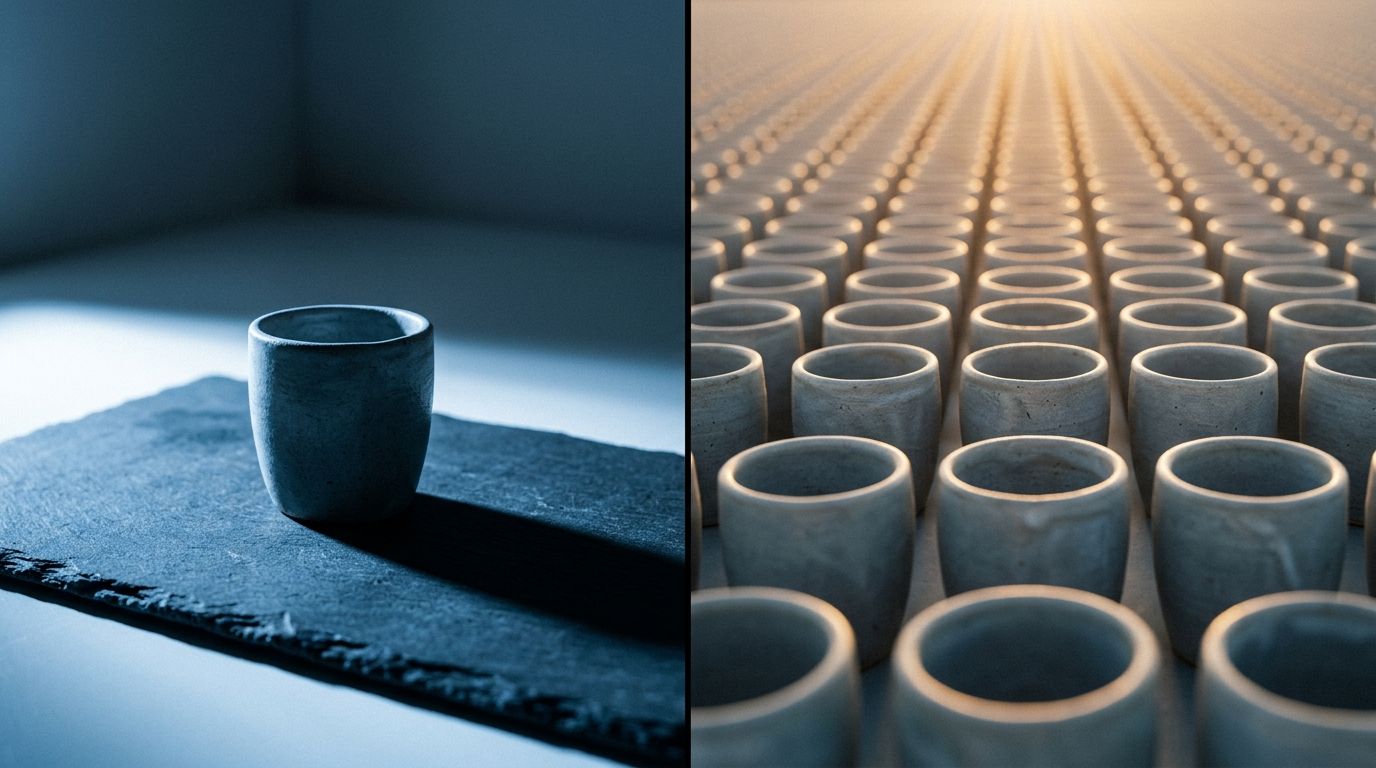
Subscription product visuals must communicate abundance and routine, moving the customer from a single purchase mindset to a long-term commitment.
Curated boxes vs. Replenishment subscriptions
The type of subscription you offer heavily dictates the photography you need. A monthly beauty discovery box requires a drastically different visual approach than a monthly delivery of dishwasher pods. You cannot shoot them the same way.
| Subscription Model | Customer Motivation | Required Visual Strategy |
|---|---|---|
| Curated Discovery Box | Excitement and variety | Top-down unboxing arrangements showing packaging |
| Replenishment Supply | Utility and avoiding stock-outs | Contextual lifestyle photography showing daily usage routine |
Shooting the curated discovery box
Curated subscriptions are driven by excitement and variety. The customer is paying for the thrill of the unboxing experience. In this scenario, subscription box photography is literal. You must show the physical box. Show it open. Spill the contents out onto a textured surface in an organized, visually pleasing arrangement.
You need to capture the feeling of receiving a gift. The packaging itself is a core feature of the product. If you ship in a custom printed mailer with branded tissue paper, that material must be front and center in your hero images. (There are rare exceptions for ultra-minimalist brands, but even they rely heavily on typography and layout to do the heavy lifting when the physical unboxing is understated).
Shooting the recurring replenishment
Replenishment subscriptions are driven by utility and fear of running out. No one is thrilled to unbox a new water filter. They just want the peace of mind knowing they will never have to drink tap water because they forgot to go to the store.
For these products, lifestyle product photography is the absolute priority. Show the product in its natural habitat. A bag of coffee resting next to a high-end espresso machine in a sunlit kitchen communicates routine. It tells the customer, "This is part of your morning now." You are visually cementing the product into their daily life.
The production bottleneck for ongoing value photography
The logic behind subscription photography is sound, but the execution usually breaks down in the studio. Managing an ecommerce visual pipeline is a logistical nightmare. When you launch a new flavor or a new bundle configuration, booking a photographer to shoot it in four different lifestyle contexts takes weeks.
The invoice is not just the photographer. It is the studio rental, the prop styling, the art director making adjustments, and the endless back-and-forth on retouching. By the time you get the assets back, the marketing campaign is already behind schedule. Most founders simply surrender and reuse the single white-background shot because it is easier.
Scaling visuals without the studio
AI product photography completely eliminates this bottleneck. Instead of scheduling a four-hour shoot to get a lifestyle image of your new three-month supplement bundle, you can generate it. Upload a base image of your product, select a lifestyle visual mode, and CherryShot AI generates campaign-ready photos in minutes.
The per-image cost drops from a hundred dollars to under five dollars. The turnaround time drops from three weeks to a Tuesday afternoon. When you have the ability to generate specific imagery for a three-pack, a six-pack, and a twelve-pack variation instantly, you can actually build dedicated product pages for every subscription tier.
Admittedly, AI image generation might occasionally struggle to perfectly replicate the exact crinkle of custom branded tissue paper inside a highly complex unboxing layout. However, for placing your product in aspirational lifestyle environments that clearly communicate ongoing value, the speed and cost advantages are undeniable.
Visualizing the mechanics of the subscription
Your ongoing value photography also needs to do the functional work of explaining how the subscription operates. Customers are naturally skeptical of recurring charges. They fear being locked into a contract or receiving too much product too quickly.
The timeline shot
If you offer different frequency intervals, visually represent them. If a customer can choose between a 30-day and a 60-day delivery, show what that looks like. A photo displaying a single unit next to the text "30 Days" and two units next to "60 Days" makes the choice tangible. It turns an abstract dropdown menu into a concrete visual choice.
The flexibility promise
Many brands use graphics to explain that a customer can pause or cancel at any time. Take that a step further and integrate it into your photography. Overlay text on a calm, reassuring lifestyle image. The image sets the emotional tone while the copy delivers the logical guarantee. You are using the entire visual canvas to reduce the friction of the subscribe button.
Key Takeaways
- Never use a standard one-time purchase product photo to sell a recurring subscription commitment.
- Curated subscriptions require unboxing visuals, while replenishment subscriptions require deep lifestyle integration.
- Volume shots explicitly displaying multiple units help normalize the idea of a long-term supply.
- AI tools like CherryShot AI allow you to generate distinct variations for every subscription tier without booking new shoots.
Frequently Asked Questions
How do I photograph subscription products for ecommerce?
Photograph subscription products by visualizing the long-term value and daily routine associated with the item. Show the product in active use within its natural environment over an extended period rather than staging a single isolated item against a plain studio background. Display multiple units grouped together to visibly imply a steady monthly supply, and explicitly capture the entire unboxing sequence if your brand relies on custom shipping materials to build anticipation.
What is subscription photography for ecommerce?
Subscription photography for ecommerce operates as a specialized visual strategy engineered to sell recurring scheduled deliveries instead of single isolated purchases. This discipline focuses heavily on communicating concepts of abundance, household convenience, and structured daily routine to the prospective buyer. Make the customer feel completely confident about committing to a recurring monthly charge by showing them exactly what that ongoing physical arrangement looks like inside their own home.
Does subscription photography affect subscriber conversion?
Subscription photography heavily dictates the final conversion rate for recurring purchase programs on modern ecommerce websites. Shoppers demand explicit visual reassurance before agreeing to lock themselves into an ongoing automated credit card charge. Lower their perceived financial risk immediately by publishing images that clearly display a multi-month product supply, the physical shipping box, and the item integrated into a familiar household routine.
What shot types work best for subscription product pages?
The highest performing images for subscription product pages include the top-down unboxing angle showing the item safely packed inside its protective shipping mailer. Combine this approach with a dense volume shot displaying multiple identical units placed side by side to signify ongoing abundance. Post a direct split-screen format comparing a single standard unit directly against the comprehensive monthly bundle to make the subscription value proposition visually obvious.
How is subscription photography different from standard product photography?
Standard product photography strictly focuses on explaining the physical features, literal dimensions, and material details of a single isolated item to secure an immediate one-time transaction. Subscription imagery entirely shifts this visual focus toward documenting the ongoing long-term relationship between the consumer and the brand. Prioritize creating a visual narrative about the distinct relief of never running out of a necessary household staple.
A subscription business model thrives on predictability. Your customer needs to feel that same predictability before they hand over their credit card for a recurring charge. If your visuals accurately reflect the value of continuity, the subscription button becomes the obvious choice. Stop relying on tedious studio shoots to capture every new bundle variation. Use CherryShot AI to generate contextual, lifestyle-rich imagery that proves the long-term value of your product on day one.
Audit your subscription visual assets today
Review the product pages for your recurring delivery options to ensure you aren't simply recycling one-time purchase photos. Identify where a volume shot or lifestyle image could better explain the ongoing value of the monthly commitment. Use CherryShot AI to quickly generate tailored subscription-tier imagery without organizing another studio day.
Try CherryShot AI