Supplement and Health Product Photography
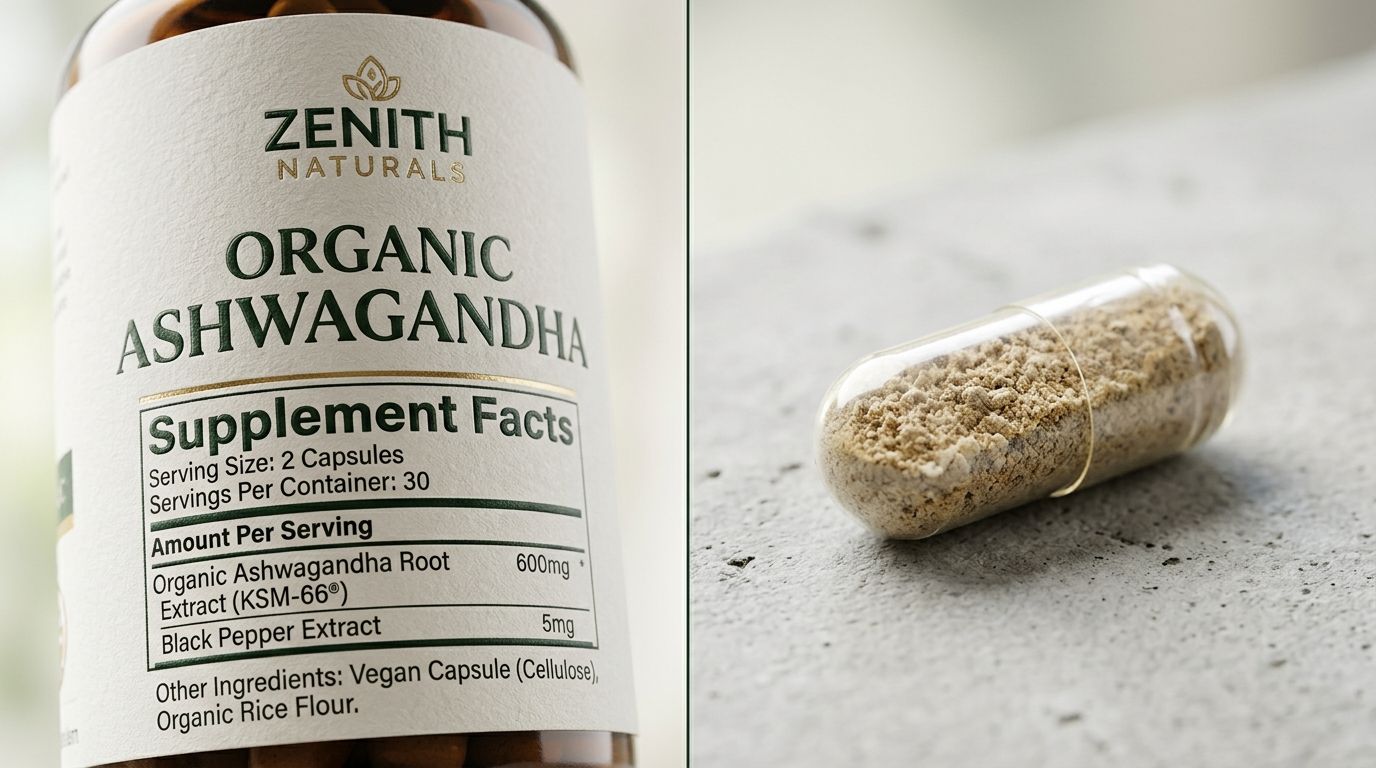
In the health and wellness space, your product photography is not just a visual representation of your brand. It is a fundamental trust signal. When a customer cannot physically hold your bottle of vitamins or scoop of protein powder, they rely entirely on your imagery to verify the quality of what they are about to ingest.
Definition
Supplement product photography is the practice of capturing studio and lifestyle imagery for health products. Its core objective is to showcase packaging details, ingredient transparency, and usage scenarios to validate consumer safety and brand legitimacy.
Why Supplement Imagery Demands Higher Standards
You are competing in a market defined by high consumer skepticism. People are naturally wary of supplements, which makes Building Trust on Product Pages the most critical element of your visual strategy. If your label looks blurry or the product texture seems off, the shopper assumes the formula is also compromised.
Achieving consistent, professional results is often a challenge for smaller brands without in-house studios. Many teams struggle with Achieving Consistent Photography Results because they rely on ad-hoc shoots that vary in lighting and angle from one product launch to the next.
Prioritizing Label Legibility
Your label is your most important asset. Customers want to see the active ingredients, the dosage, and the supplement facts panel without having to guess. High-resolution shots that clearly show the text on your packaging are non-negotiable. If you hide the label behind shadows or stylized filters, you lose credibility instantly.
Visualizing Texture and Raw Ingredients
Supplement photography needs to communicate the quality of the powder or capsule. Using macro lenses or high-resolution close-ups allows you to showcase the fine, uniform texture of a protein powder or the clean finish of a capsule. This detail helps potential customers visualize the product in their own hands.
| Feature | Traditional Studio | CherryShot AI |
|---|---|---|
| Label Clarity | Dependent on lens quality | High-fidelity resolution |
| Consistency | Hard to maintain across sets | Uniform across all shots |
| Turnaround Time | Weeks to months | Minutes |
| Cost Per Image | High ($80+) | Low (<$5) |
The texture of your product effectively serves as a proxy for your manufacturing standards. By placing a small, neat mound of powder next to the primary container, you invite the customer to inspect the quality for themselves.
The Importance of Lighting
Bad lighting destroys the perceived value of supplements. Soft, diffuse light works best to keep labels readable while avoiding harsh glares on plastic bottles. You can learn more about Essential Lighting Setups to ensure your product looks premium every time.
Integrating Lifestyle Photography for Supplements
Lifestyle shots show the customer exactly how the supplement integrates into their day. A bottle of pills sitting on a clean, modern kitchen island feels more relatable than a generic, sterile studio shot. The goal is to make the product look like a natural part of a healthy, active lifestyle.
Avoid cluttered scenes that distract from the core product. Keep the focus on the supplement bottle or the scoop in a glass of water. When using props, ensure they complement your brand identity rather than overwhelming it.
Frequently Asked Questions
What makes supplement product photography different from other categories?
Supplement product photography requires absolute clarity regarding label details and ingredient callouts to satisfy consumer skepticism. Unlike apparel or home goods, your customer is ingesting these products, which places a massive premium on visual transparency. You must bridge the gap between scientific reliability and aesthetic appeal to win over a cautious buyer.
How do I show supplement texture and ingredients in photos?
Macro photography serves as the primary tool for communicating powder density, tablet consistency, or oil clarity to your audience. Lighting from the side helps highlight these textures, preventing the product from looking flat or synthetic in the final image. Consider staging raw ingredients alongside the finished supplement to provide visual proof of what is inside the capsule or scoop.
What lifestyle photography works for supplement brands?
The most effective lifestyle shots place the product in the specific environment where the customer intends to use it, such as a gym, office, or kitchen. Authenticity remains the core requirement, so avoid overly staged environments that feel like stock photography from a decade ago. Focus on high utility, showing how the product fits into a daily routine without forcing a sales pitch.
Can AI generate realistic supplement product photography?
Modern AI tools produce high-fidelity images that maintain consistent label legibility and ingredient placement for supplement brands. CherryShot AI allows teams to generate professional campaign assets by uploading a single base product image and choosing a specific visual mode. This workflow removes the dependency on long studio lead times while maintaining strict brand requirements for packaging accuracy.
Key Takeaways
- Clear label imagery is essential to overcome consumer skepticism.
- Use macro shots to prove your product texture and quality.
- Lifestyle photography should depict realistic, high-utility usage scenarios.
- AI tools provide a faster way to maintain consistent photography standards.
Streamline your product catalog imagery
Stop waiting for studio schedules to align for your next launch. Upload your product base and use CherryShot AI to generate consistent, professional, and brand-ready assets in minutes.
Try CherryShot AIGreat product imagery is about transparency, and when you can show your quality in seconds, you remove the barriers between a shopper and their cart. You can start testing these principles today to see how your conversion rates respond.