Ad Creative to Landing Page Mismatch: How the Visual Promise Gap Kills Ecommerce Conversion
You spend thousands testing ad creatives on Meta. You finally find a winner. The cost per click drops dramatically. Traffic floods into your store. Then your conversion rate tanks completely. Your audience targeting is not the problem. Your ad creative to landing page mismatch is killing the sale before the customer even scrolls.
Definition
Ad-to-landing-page visual mismatch is the psychological disconnect between the aesthetic style of a clicked advertisement and the resulting product page. It occurs when users expect a specific mood or environment based on an ad but are met with entirely different catalog imagery.
Any media buyer running hyper-specific visual ads to a generic catalog page is burning budget on clicks that will never convert.
The user clicked an ad promising a vibrant lifestyle context but landed on a sterile product page featuring a basic white background. They experience immediate cognitive dissonance. They assume they clicked the wrong link. They bounce.
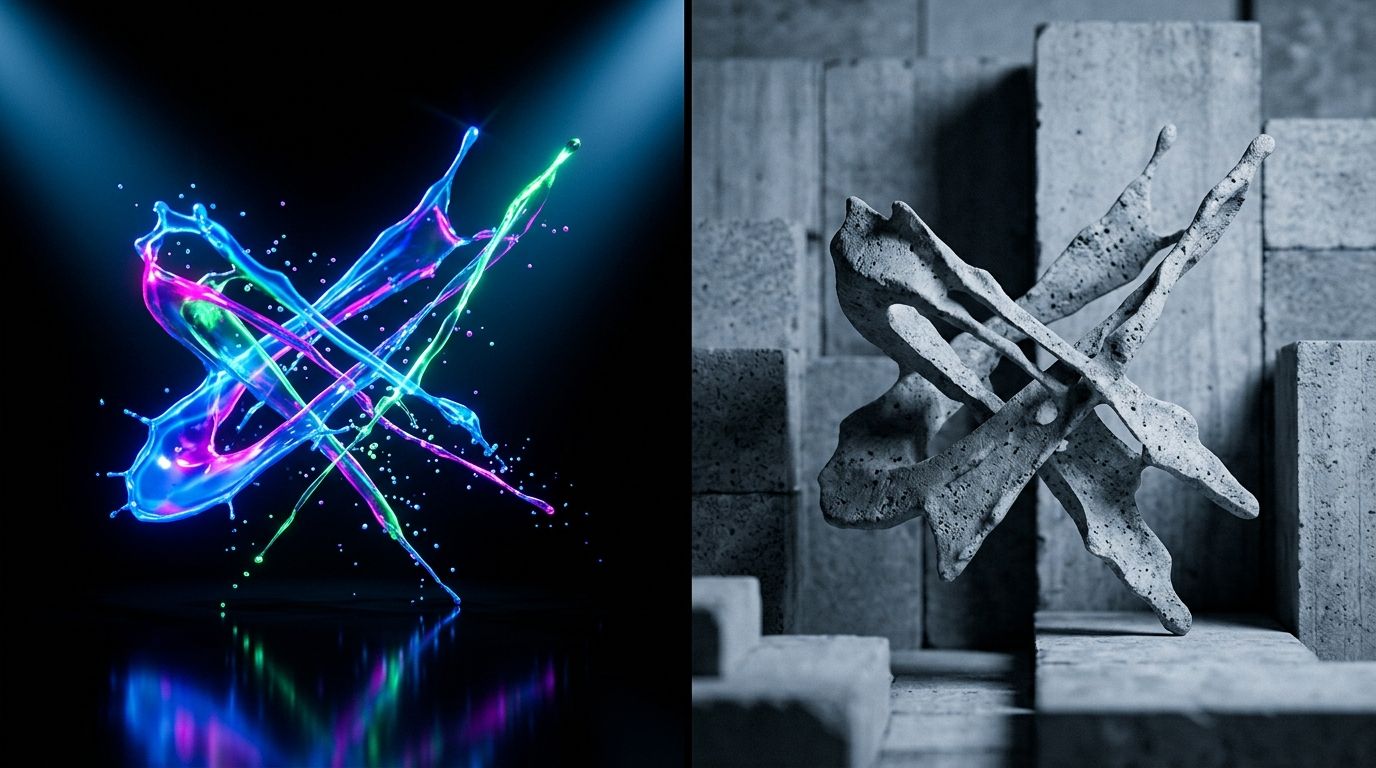
When the visual aesthetic of your ad drastically differs from your landing page hero image, user trust breaks down instantly.
The anatomy of the visual promise gap
I have sat in weekly performance meetings where the media buyers blame the website design and the website owners blame the traffic quality. The truth is usually sitting right in the middle. The marketing team spent hours developing a moody, high-contrast ad campaign that appeals to luxury buyers. It worked brilliantly on social media. The customer clicked because the aesthetic signaled premium status.
Then the landing page loads.
Instead of continuing that high-end narrative, the page displays a flat, brightly lit catalog image. The visual promise of luxury is broken. This disconnect is the ad to landing page mismatch in its purest form. The brain processes images in milliseconds. Long before the user reads your headline or checks your price, their brain has already evaluated the visual continuity between the ad they clicked and the page they are on.
When you are getting clicks but no sales, the instinct is to slash prices or rewrite your product descriptions. Those elements do not matter if the customer never trusts the page enough to read them. If the page does not look like the ad, the user feels tricked.
Why performance and creative teams fail to align
This failure happens because teams work in silos.
The performance marketing team is agile. They spin up twenty new ad variations on a Tuesday afternoon. They test different visual hooks, trying to lower acquisition costs. The creative team managing the ecommerce store is rigid. They planned the website photography three months ago during a massive studio shoot.
(This is not entirely the media buyer's fault. Performance teams move fast, while updating catalog imagery usually requires a massive logistical lift from the creative team.)
The result is a fast-moving front end sending traffic to a static back end. The ads evolve based on what gets clicks. The landing page remains locked into whatever standard catalog shots were taken months ago. Over time, the visual landing page consistency completely deteriorates.
| Operational Focus | Performance Marketing | Creative Team |
|---|---|---|
| Testing Pace | Launches rapid ad variations weekly | Plans studio shoots months in advance |
| Primary Goal | Tests visual hooks to lower acquisition cost | Maintains standard catalog imagery logistics |
| Visual Output | Fast-evolving and highly stylized ads | Static and sterile website product pages |
Visual scent and message match in ecommerce
Copywriters talk endlessly about message match. If your ad says "Save 20% on running shoes," your landing page headline must say "Save 20% on running shoes." That is basic advertising hygiene.
Ecommerce requires visual scent.
Visual scent is the concept that the styling, lighting, color palette, and mood of the ad must seamlessly carry over to the product page. If your ad features a model wearing your apparel in a rugged outdoor setting, presenting a completely isolated product on a gray background on the landing page kills the mood. The visual scent is lost. The continuity breaks.
When visual continuity is strong, the user glides from the social platform to the shopping cart without friction. When it is weak, every click feels like a leap of faith. This forces the customer to actively reassess if they want the product, rather than coasting on the momentum of their initial interest.
The cost of ignoring ad creative product page alignment
Brands bleed cash by ignoring this. You pay a premium for high-intent clicks. If a user clicks an ad styled with heavy shadows and neon accents, they are telling you exactly what visual aesthetic appeals to them. Serving them a standard, brightly lit studio shot ignores that data.
Before you overhaul your audience strategy, you need to fix landing page conversions by aligning your hero images to your top-of-funnel campaigns. The fix is entirely visual. You are bridging the gap between expectation and reality.
How to audit your ad-to-page visual alignment
You do not need an expensive consultant to spot a visual promise gap. You just need ten minutes and your current ad account data.
Open your Meta or Google Ads dashboard. Sort your campaigns by highest ad spend over the last thirty days. Ignore the ads that are failing. Focus purely on the ads that are winning the click but losing the sale. Open the ad creative in one window. Click the destination URL and open the landing page in a second window right next to it.
Ask yourself these three questions.
First, does the lighting match? If the ad uses soft, natural sunlight and the landing page uses harsh studio strobes, you have a mismatch. Second, does the environment translate? An ad showing the product in use at a coffee shop should not lead to a page that looks like a medical supply catalog. Third, does the color grading align? Warm, vintage ad tones leading to cool, sterile landing page tones will jar the user.
If you answer no to any of these, you have found a massive leak in your conversion funnel.
Solving the continuity problem without booking a studio
In the past, solving this meant organizing a reshoot. You had to book a photographer, find a location that matched the winning ad, and wait three weeks for edits. That timeline is useless to a performance marketer who needs to optimize a campaign today.
To be completely transparent, matching every single landing page to its specific ad variation creates a heavy operational burden for small teams. But you only need to align your top five revenue-driving campaigns to see a massive shift in ROI.
This is exactly why CherryShot AI exists. Any brand still running a full studio shoot for standard catalog images in 2026 is paying for logistics, not quality.
Instead of waiting weeks to align your visuals, you upload your basic product photo to CherryShot AI. You select the visual mode that matches your winning ad. If your ad is bright and engaging, use Lifestyle mode. If your ad is high-end and dramatic, use Loud Luxury mode. If you need a clean, editorial look, use Magazine mode. You get campaign-ready photos in minutes.
The per-image cost drops to under $5. The turnaround goes from weeks to an afternoon. You take that new, perfectly aligned image and place it as the primary hero shot on your product page. The visual scent is restored. The customer clicks the ad, sees the exact aesthetic they expected, and proceeds to checkout without hesitation.
Key Takeaways
- Ad to landing page mismatch happens when the aesthetic promise of an ad is broken by a generic product page.
- Users decide to stay or bounce within milliseconds based entirely on visual continuity, long before reading your copy.
- Auditing your funnel requires looking at your top-performing ad creative side-by-side with your destination URL.
- AI tools now allow you to generate perfectly matched landing page hero images in minutes without booking a studio shoot.
Frequently Asked Questions
What is ad-to-landing-page visual mismatch?
Ad-to-landing-page visual mismatch occurs when an advertisement's specific lighting, color palette, or mood is entirely disconnected from the destination product page. This abrupt visual shift breaks the aesthetic promise made to the user, causing instant cognitive dissonance and eroding trust. Clicking a vibrant, highly stylized lifestyle ad only to land on a stark white catalog page drastically increases the likelihood of the visitor bouncing without making a purchase.
How does visual mismatch affect ecommerce conversion?
Visual mismatch destroys conversion rates by instantly eroding buyer trust the moment a destination page loads. Users who click an advertisement have subconsciously bought into the specific aesthetic promise of that image. Presenting a completely different aesthetic makes the user assume they clicked the wrong link, resulting in immediate high bounce rates, wasted ad spend, and a massive drop in return on investment.
How do I create visual continuity from ad to product page?
You create visual continuity by ensuring the primary hero image on your product page shares the exact same visual language as your top-performing advertisements. This alignment requires matching the lighting style, environmental context, and color grading rather than using the identical photograph. If your ad runs a moody luxury aesthetic, the first image on your product page must reflect that premium tone before the user scrolls down to view basic catalog shots.
What is message match in ecommerce advertising?
Message match is the direct alignment between the specific promise made in an advertisement and the immediate content presented on the landing page. While traditionally applied to text and headlines, visual message match remains just as critical for ecommerce performance. This practice ensures that the aesthetic expectation set by the ad creative is immediately fulfilled by the product photography on the final destination page.
How do I audit my ad-to-page visual alignment?
You audit visual alignment by opening your top three performing advertisements in one window and their corresponding destination URLs in another. Comparing both screens side by side reveals whether the color palette matches and the perceived price point of the photography feels identical. If the ad looks like a high-end magazine feature but the product page resembles a standard warehouse database entry, you have a severe alignment failure.
The smartest brands are no longer forcing their customers to guess if they landed in the right place. They are matching the aesthetic of the destination to the promise of the click.
Stop paying a premium for highly stylized ad traffic only to dump those users onto a sterile catalog page. Connect the visual journey directly. Upload your core products to CherryShot AI, match the mode to your winning ad campaigns, and lock down your visual continuity today.
Audit your ad-to-page visual alignment
Take ten minutes to compare your top-performing ads side-by-side with your destination URLs. If you spot a visual promise gap, you can fix it immediately without booking a new studio shoot. CherryShot AI lets you generate perfectly matched hero images to stop losing high-intent traffic.
Try CherryShot AI