Before and After Photography for Ecommerce: When It Works, When It Backfires, and How to Use It to Build Trust
If your product solves a visible problem, showing the transformation is not optional. You have to prove it works. But before and after photography in ecommerce is incredibly dangerous territory. If your visual proof looks even slightly manipulated, shoppers will immediately assume your entire brand is a scam. I have seen conversion rates plummet overnight because a founder decided to color-correct the "after" photo to make the skin look warmer.
Definition
Before and after photography is a visual proof technique used in ecommerce to demonstrate a product's effectiveness. It places two unedited photos side-by-side to show the exact physical state of a subject before using a product and the resulting state after a specific period of use. The goal is to provide undeniable evidence that a functional claim is true.
The core rule of before and after product photography is that the images must feel uncomfortably real. When a customer lands on your product page, they are actively looking for the trick. They want to see if you changed the lighting, altered the camera angle, or just hired a model with better posture for the second shot.
You cannot fake authenticity. The genuine limitation of before and after photography is that it requires actual, messy reality to work. You cannot artificially generate a customer transformation without destroying your brand credibility. What you can do is learn exactly how to format, capture, and display these transformations so that skeptical buyers actually believe them.
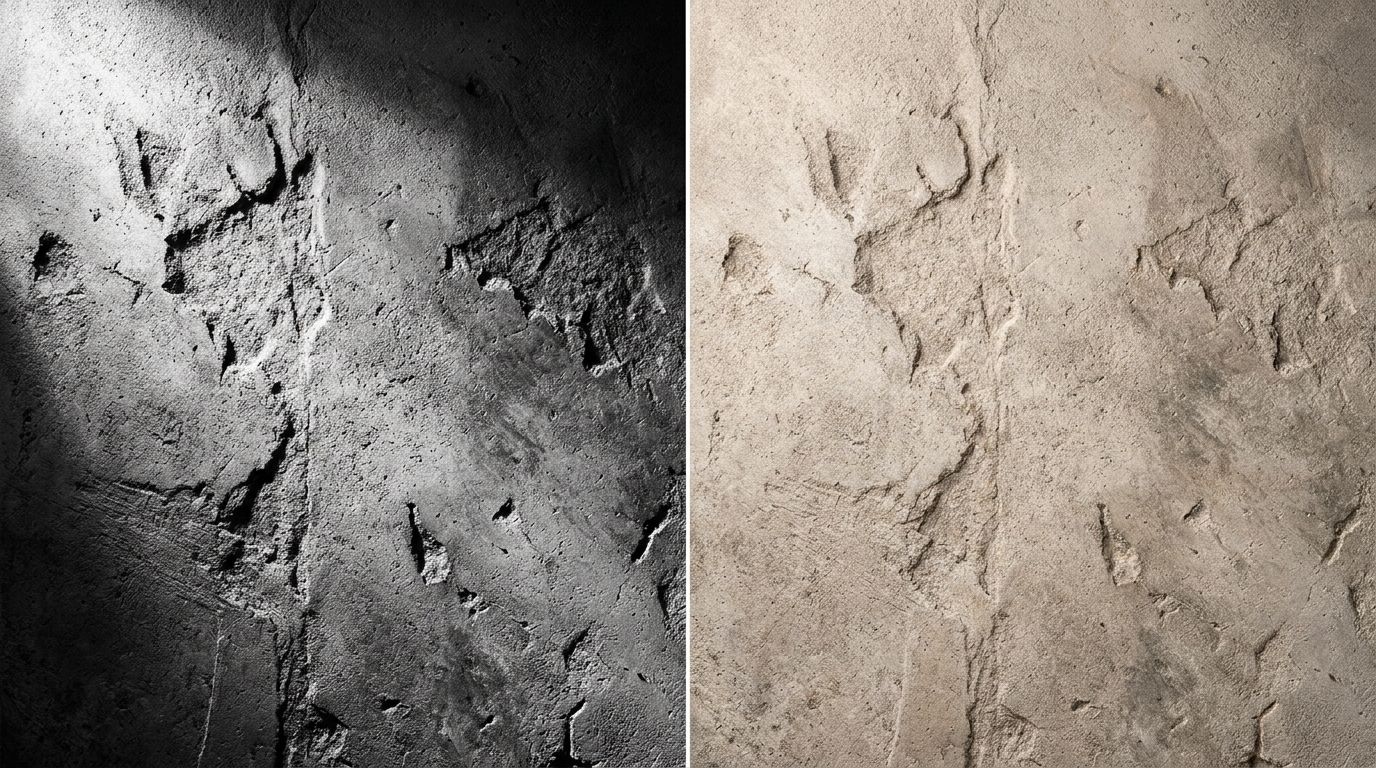
Visual proof photography must rely on identical lighting and framing to be credible.
Why ecommerce before after images trigger buyer skepticism
We are all carrying baggage from decades of late-night infomercials. When we see a split-screen image showing a dramatic transformation, our defensive shields go up. We have all seen the diet pill commercials where the "before" photo is shot in harsh fluorescent lighting with the subject slouching, and the "after" photo features a professional spray tan, perfect posture, and soft studio lighting.
Modern ecommerce buyers are hyper-aware of these visual manipulation tactics. If you sell skincare, fitness gear, teeth whitening kits, or cleaning supplies, you are fighting against this inherent distrust. If your traffic is high but revenue is flat, understanding why product images lose conversions is the first place you should look. Often, the culprit is a results image that looks just a little too perfect.
Shoppers evaluate comparison photography by looking for variables. If the background color changed between the two shots, they notice. If the camera lens was swapped from a wide angle to a portrait lens to slim the face, they notice. If the only variable that changed was your product, the image builds trust. If anything else changed, the image builds suspicion.
How to shoot visual proof product photography that converts
Getting this right requires strict operational discipline. You cannot just ask a customer to send you two photos and hope they match well enough to put on a product page. You have to guide the creation of these images with strict technical parameters.
Keep the lighting environment identical
Lighting is the easiest way to accidentally look like a scammer. In before after skincare photography, the direction of the light dictates the depth of the shadows. If a "before" photo is taken with overhead bathroom lighting, every wrinkle and texture on the skin will cast a dark downward shadow. If the "after" photo is taken facing a bright window, the flat lighting will wash out those shadows entirely. The customer's skin might not have changed at all, but the lighting makes it look smoother.
Shoppers know this trick. You must enforce identical lighting conditions. If the first photo was taken in a bathroom at night with the mirror light on, the second photo must be taken in that exact same bathroom at night with that exact same mirror light on.
Standardize the focal length and distance
Camera lenses distort reality. A standard smartphone camera uses a wide-angle lens. If you take a selfie from six inches away, your nose looks larger and your face looks wider. If you step back three feet and zoom in, your facial proportions look entirely different.
When gathering results photography ecommerce assets, make sure the camera distance remains constant. If the framing changes drastically, the visual proof is voided. You want the subject to occupy the exact same percentage of the frame in both images.
Let the "after" shot be a little ugly
This is the hardest rule for brand founders to accept. You spend months developing a beautiful visual identity. You want your website to look pristine. But when it comes to comparison photography, polish is your enemy.
(This is usually where a well-meaning art director tries to color-correct the 'after' photo to match the brand guidelines. Do not let them do this. The raw authenticity is the entire point.)
If a brand has no mainstream name recognition, you have to build trust on product pages using unfiltered, gritty reality. Let the background be a little messy. Let the lighting be standard room lighting rather than a studio strobe. The less produced the image looks, the more believable the transformation becomes.
When transformation photography ecommerce campaigns backfire
There are specific scenarios where deploying comparison imagery will actively hurt your brand. The most common mistake is the timeline disconnect. If you sell a hair growth serum, your before and after photos cannot claim a massive transformation in two weeks. Biology does not work that way, and your customers know it. If the visual proof contradicts logic, buyers will assume you are lying about everything else, too.
The mismatched visual hierarchy
A major structural mistake brands make is blending their gritty visual proof imagery with their hero product shots. Your results photography needs to look real and unpolished. But your actual product shots, the images of the bottle or the packaging, need to look exceptionally premium.
If you want to know what makes effective product photos work, it is a clear division of labor. The lifestyle and hero shots sell the aspiration and the brand quality. The before and after shots sell the functional utility.
| Visual Asset Type | Primary Purpose | Required Aesthetic |
|---|---|---|
| Hero Product Photography | Builds brand aspiration and premium positioning | Flawless studio lighting and high-end styling |
| Before & After Results | Provides functional proof and builds trust | Gritty, unedited, and highly authentic reality |
| User-Generated Content | Shows real-world scale and social proof | Casual environmental settings captured on smartphones |
Balancing raw proof with premium catalog imagery
You cannot use AI to generate your before and after customer photos. That crosses a massive ethical line and will destroy your business the moment a customer figures it out. Real results require real photos.
However, you absolutely should not be relying on user-generated content for your core catalog images. When an ecommerce brand relies entirely on iPhone photos for their product listings, the brand looks cheap. This is where a clear production pipeline matters. You collect the raw, gritty comparison photos from real users to populate your reviews and visual proof sections. Then, you use tools like CherryShot AI to generate the flawless, campaign-ready hero images of your physical product that sit at the top of the page.
Upload a simple photo of your product packaging, select a visual mode like Minimalist or Lifestyle, and CherryShot AI handles the studio-grade lighting and environments in minutes. This allows you to maintain a highly premium brand aesthetic while still leveraging the unpolished, authentic customer transformation photos further down the page. You get the trust of raw visual proof without sacrificing the premium positioning of your brand.
Key Takeaways
- Any change in lighting or framing between a before and after photo will trigger buyer skepticism.
- Never color-correct or apply filters to the "after" photo in a comparison set.
- Keep your visual proof photos gritty and realistic to maximize their believability.
- Maintain a premium brand image by separating raw customer proof photos from your polished hero product catalog.
Frequently Asked Questions
Does before and after photography increase ecommerce conversion?
Before and after photography increases ecommerce conversion only when executed with strict visual authenticity. Highly skeptical buyers actively look for manipulation tactics in comparison images to validate specific marketing claims before making a purchase decision. Ensure your side-by-side photos maintain identical lighting, framing, and posture so the physical product result remains the only variable on display during the visual evaluation process.
How do I use before and after photography without looking staged?
You must eliminate all variable changes between the two comparison photos except for the product's actual physical effect. Strict consistency across camera equipment, focal length settings, environmental lighting, and subject posture creates undeniable visual believability for skeptical shoppers. Match the exact same casual aesthetic in both shots rather than artificially polishing the second image to look like a high-end studio portrait.
What products work best with before and after photography?
Products that solve a visible physical problem serve as the absolute best candidates for side-by-side comparison imagery. Any retail item where the primary value proposition relies on an observable physical result requires direct visual proof to overcome initial buyer hesitation. Capture clear progression shots for skincare formulations targeting hyperpigmentation, automotive detailing kits restoring worn surfaces, or specialized apparel designed for specific fit solutions.
Can before and after images backfire on a product page?
Comparison images actively backfire when they trigger the classic infomercial defense mechanism in a modern buyer's brain. Shoppers will assume the entire brand operates as a scam if the timeline claimed feels biologically impossible or features subjects receiving professional hair and makeup. Present your visual proof using grounded, unedited reality to prevent visitors from abandoning the product page due to artificial aesthetics.
What is the right way to show before and after results in product photography?
Present the comparison photos directly side-by-side using clear, realistic timelines and absolutely zero artificial color correction. Separating your highly polished hero catalog imagery from these gritty visual results maintains overall brand prestige while providing the necessary functional evidence buyers demand. Keep the camera framing tight on the specific area being transformed and support the final graphic with verified customer reviews.
Stop trying to make your results photos look like they belong in a magazine. Leave the high-end visuals to your core product imagery, and let your customer transformations speak for themselves. The less perfect the visual proof is, the more products it will actually sell.
Upgrade your hero imagery without losing visual authenticity
Keep your raw customer transformation photos in your reviews section, but elevate the product shots sitting at the top of your page. You can generate studio-quality catalog images of your physical product packaging directly from your phone.
Try CherryShot AI