Clothing Return Rate Ecommerce: The Photography Playbook That Reduces It Without Changing Your Product
The clothing return rate ecommerce brands tolerate is quietly destroying their profitability. If you sell apparel online, you are likely losing up to a third of your sales to returns. Most founders blame fit. They spend their entire quarter auditing sizing charts and rewriting measurements in the product description. Sizing charts are rarely the root cause.
Definition
The ecommerce clothing return rate is the percentage of apparel orders sent back by customers, typically driven by discrepancies between online product photos and the physical garment. Lowering this metric directly increases net revenue without requiring new customer acquisition.
The real culprit is the visual gap between your product page and the physical garment. Customers buy with their eyes. When a dress arrives looking fundamentally different than the perfectly lit studio shot they clicked on, they process the return before they even try it on. Fixing your photography is the fastest way to reduce apparel ecommerce return rates without modifying a single pattern or sourcing a new fabric.
I have personally sat through review sessions where a stylist pinned a relaxed fit linen shirt so tightly in the back that it looked like a tailored slim cut. The brand sold thousands of units. Two weeks later, the warehouse was overflowing with returns because the shirt was too boxy. The product was fine. The photography lied.
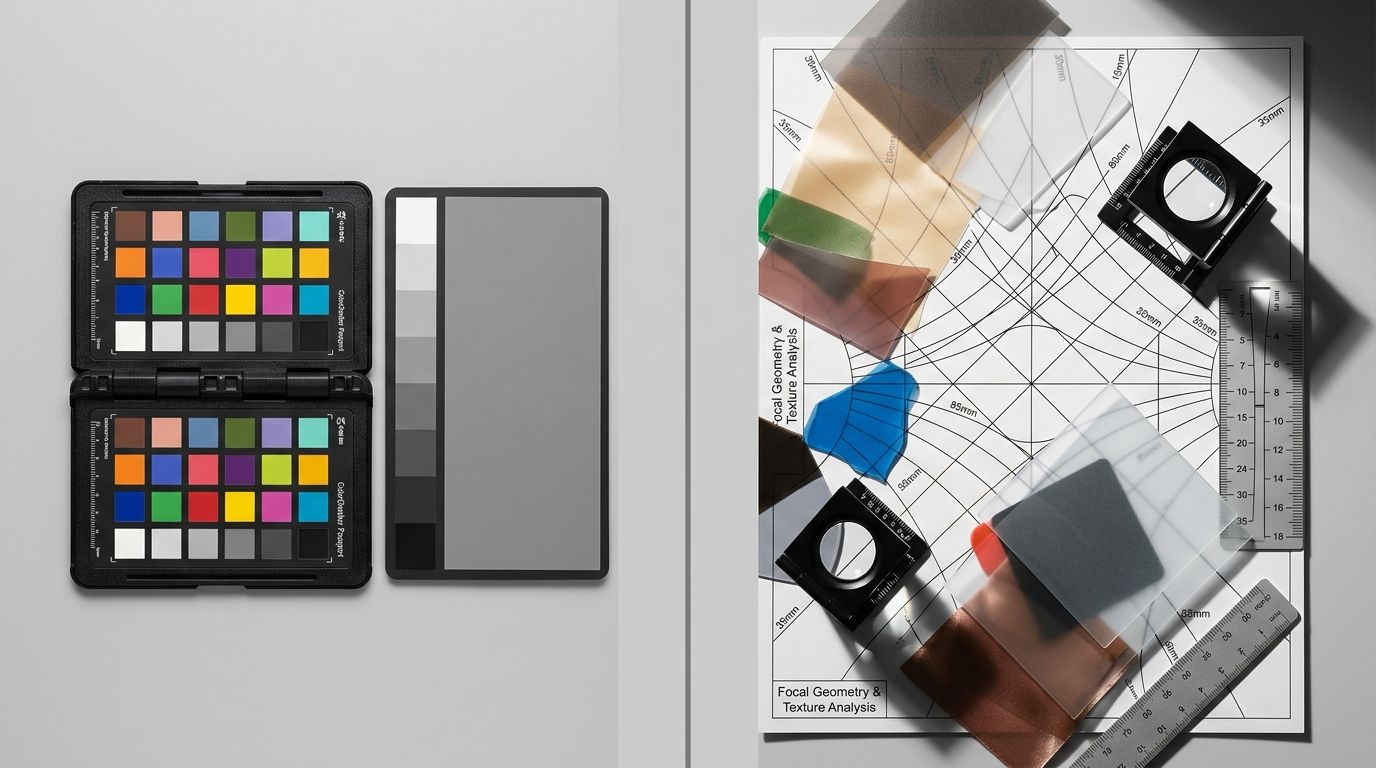
Mismanaged visual expectations drive more clothing returns than actual manufacturing defects.
Why color consistency drives immediate fashion returns
When a customer opens a package and the color does not match the screen, they do not blame their monitor. They blame you. They select not as pictured on the return form and request a full refund. Achieving color consistency clothing photos requires strict discipline on set and in post production.
Red and green are notoriously difficult fabrics to capture accurately. Warm studio lights make a muted burgundy sweater look like vibrant cherry red. If you pass that file to a retoucher who cranks the saturation to make the hero image pop on Instagram, you are actively manufacturing your own returns. The customer buys a bright red sweater. They receive a dark maroon sweater. The visual gap strikes immediately.
The danger of heavy color grading
Stop trying to save poorly lit studio photos in Adobe Lightroom. You should establish your white balance physically in the studio before you take a single shot. If you are applying heavy cinematic color filters to your catalog pages, you are sacrificing clarity for aesthetic.
This is exactly addressing the visual gap in fashion becomes mandatory. A moody, low exposure editorial shot works beautifully for an Instagram ad to drive the click. Once the customer reaches your product page, they need neutral, brightly lit, highly accurate catalog images.
Fabric drape photography dictates fit expectations
A silk slip dress behaves very differently than a heavy cotton sundress. Your photography must communicate the physical weight of the material. When brands photograph lightweight garments laid flat on a table, they strip away all context of gravity. The customer imagines a structured piece. They receive a fluid piece.
Fabric drape photography solves this. You need to capture the garment in motion. A slight turn of the hip or a walking shot allows the fabric to fold naturally. It shows the customer where the material gathers and how heavily it sits on the shoulders.
Stop hiding the actual silhouette
The fashion industry relies on styling clips. Every professional stylist uses them to pull excess fabric tight behind the model so the garment looks perfectly fitted to their exact measurements. This practice alone is responsible for a massive percentage of the fashion return rate ecommerce brands experience.
If your garment has a boxy cut, let it be boxy. Let the customer see the width of the torso. When you artificially alter the silhouette with pins, you deceive the buyer. They purchase the item expecting a tailored fit and are immediately disappointed when they put it on at home. Honesty in styling reduces returns directly.
Flat lay vs on-model returns
The debate between flat lay and on-model photography usually comes down to budget rather than strategy. Shooting a flat lay on a white board is cheap and fast. You can process fifty SKUs in an afternoon. Hiring a model, a makeup artist, and a studio photographer costs thousands of dollars and requires weeks of planning.
(Worth noting: a flat lay is perfectly acceptable for basic items like plain cotton t-shirts or simple athletic shorts. For these categories, the fit is generally understood and the return risk is low. For anything complex, a flat lay is a liability.)
When analyzing flat lay vs on-model returns, the data is heavily skewed in favor of the model. Context is everything in apparel. A customer needs to see where the hemline hits on a real leg. They need to see how wide the neckline stretches across actual collarbones.
| Photography Style | Context Level | Return Risk Profile |
|---|---|---|
| Flat Lay | Zero context of body shape or gravity. | High for dresses, pants, and structured tops. |
| Ghost Mannequin | Shows 3D volume but lacks human proportion. | Moderate. Better than flat lay, lacks lifestyle appeal. |
| On-Model Studio | Excellent context of fit, drape, and length. | Low. Best for managing visual expectations. |
Solving the logistics of on-model shooting
There is a genuine trade-off here. Photographing every single piece on a live model gives the absolute best context but costs a fortune. If you launch fifty new styles a month, the logistics of booking talent and studio space will bottleneck your entire operation.
This is exactly where AI changes the standard operating procedure. Using virtual models for clothing eliminates the logistical nightmare while preserving the visual context that prevents returns. You no longer have to choose between a cheap flat lay that causes returns and an expensive studio shoot that destroys your cash flow.
With CherryShot AI, you upload a basic reference photo of your garment. You select a visual mode like Lifestyle or Influencer. The tool generates campaign-ready photography showing the item on a realistic figure in a natural setting. The per-image cost drops from eighty dollars to under five dollars. You get the conversion benefits of an on-model shot without the agency invoice.
Capturing clothing detail shots returns
A zoomed out shot of a model walking down a city street is great for selling the vibe. It does nothing to explain the texture of the fabric. Missing details lead to returns.
If your customer expects a soft brushed cotton and receives a rigid twill, they will send it back. You must include clothing detail shots returns teams beg for. Photograph the hardware. Zoom in on the zipper quality. Show the interior lining of the jacket. Demonstrate how thick the knit of a sweater truly is by shooting it under strong directional light to cast shadows across the threads.
Texture builds trust
When you show a macro shot of the stitching on a denim waistband, you are actively removing doubt from the buyer. You are proving that the garment has structural integrity. Understanding exactly what makes product photos convert comes down to answering unspoken questions. Will this fabric itch? Is this material sheer? How heavy is this coat?
Detail shots answer these questions visually. They force the customer to confront the reality of the garment before they enter their credit card information.
Fixing the visual pipeline with CherryShot AI
You cannot scale an apparel brand if every new product launch requires three weeks of back and forth with a studio. The traditional workflow is slow, expensive, and often results in imagery that over promises and under delivers.
CherryShot AI provides a different path. You dictate the exact lighting, setting, and mood using modes like Minimalist or Magazine. Starting at just $10 for 50 images, you can test different visual contexts to see which presentations drive the lowest return rates. If a specific style of lighting is causing color confusion, you generate a new set of images in minutes instead of booking a reshoot.
Frequently Asked Questions
What is the average return rate for clothing ecommerce?
The average return rate for clothing ecommerce typically falls between twenty and thirty percent. Apparel carries a much higher refund risk than electronics because the final purchase decision relies entirely on initial visual interpretation rather than technical specifications. Brands failing to standardize their studio lighting setups or choosing to shoot exclusively flat lays often see their seasonal return metrics spike well past forty percent.
What photography changes reduce clothing returns?
Shooting garments on a live or virtual model instead of a flat surface is the most effective change for reducing refunds. Customers require contextual styling to understand how fabric drapes across shoulders and falls against the natural waistline. You must also include macro detail shots of hems, structural closures, and fabric textures while keeping your white balance perfectly calibrated to ensure exact color matching.
Is flat lay or on-model photography better for reducing clothing returns?
On-model photography is significantly better for reducing clothing returns. Flat lays fail to communicate how a garment naturally drapes across the body or how rigid the woven fabric actually feels in motion. Customers need to evaluate the proportion of the sleeves, the natural fall of the hemline, and the true silhouette, which only a three-dimensional form can accurately demonstrate to a buyer.
How do I photograph clothing to reduce returns?
Stop pinning and clipping garments in the back to make them look more tailored than their actual factory cut. You must shoot the apparel in neutral studio lighting to strictly preserve color accuracy across different monitor displays. Always include a mandatory set of four angles: a full body front shot, a detailed back view, a side profile highlighting the silhouette, and a macro photograph of the fabric texture.
Why do customers return clothes so often online?
Customers return clothes online primarily because of the visual gap between the product page and the physical unboxing. The actual garment arrives looking or fitting completely differently than the heavily edited studio photograph they initially clicked. While incorrect sizing charts play a minor role, mismanaged visual expectations regarding dye color accuracy, physical fabric weight, and natural drape drive the vast majority of your preventable refunds.
Key Takeaways
- Mismanaged visual expectations drive more clothing returns than incorrect sizing charts.
- Heavy color grading in post production destroys color accuracy and guarantees buyer disappointment.
- On-model photography provides essential context about fabric drape that flat lays completely lack.
- Macro detail shots of texture and hardware preemptively answer customer questions and prevent refunds.
Your garments are likely fine. Your product pages are simply failing to accurately represent them. Standardize your lighting, show the clothing on a realistic body, and let the fabric behave naturally. Start generating honest, highly contextual catalog imagery in minutes at cherryshot.ai.
Audit your product page images before your next campaign
Review your top-returned items to see if the photography lacks realistic fabric drape. If you rely entirely on flat lays, replacing them with on-model imagery will instantly set more accurate customer expectations.
Try CherryShot AI