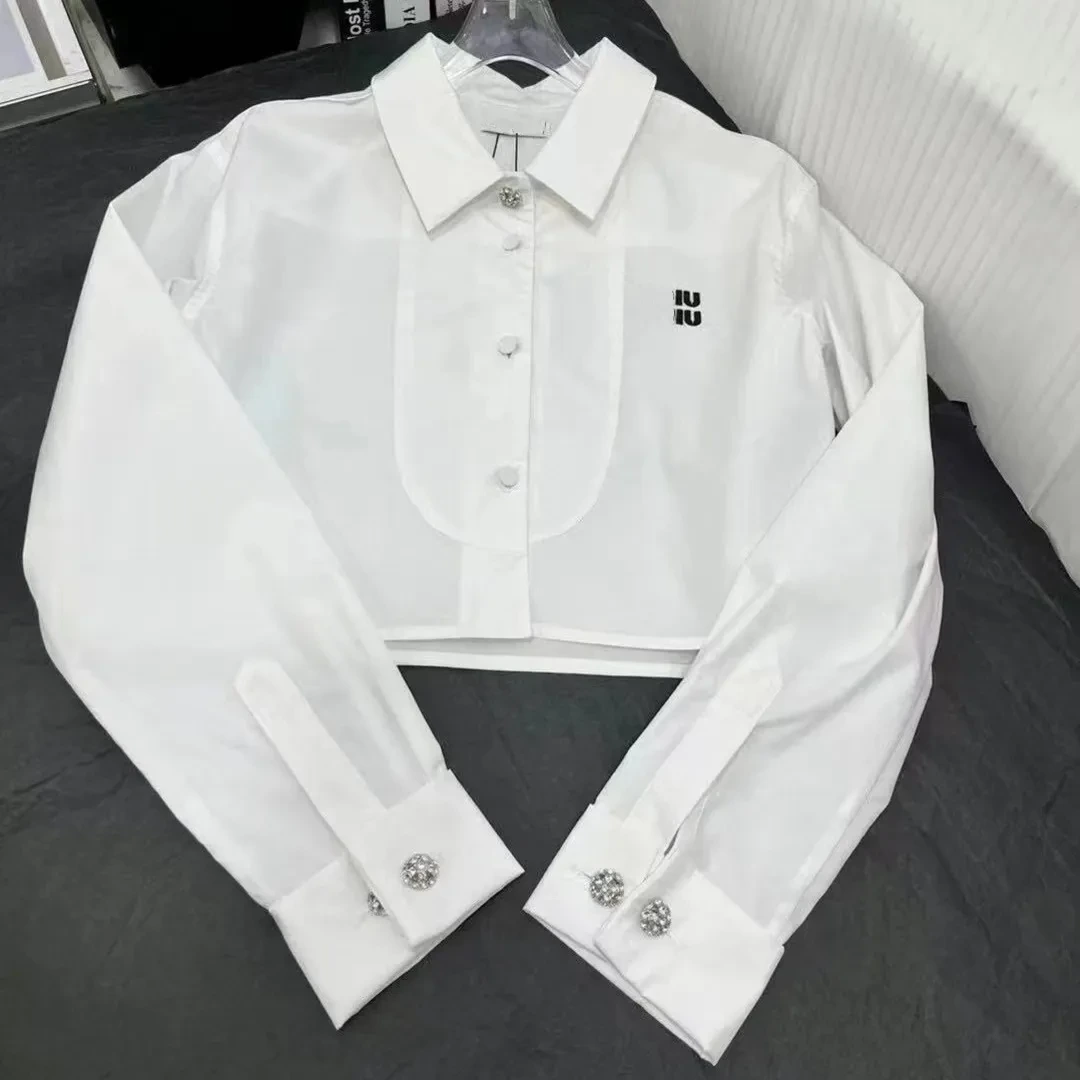
Ghost mannequin photography creates a three-dimensional hollow man effect for ecommerce apparel by removing the physical mannequin during post-production. You shoot the garment on a specialized modular mannequin, photograph the inside lining separately, and merge the two images in software. This invisible mannequin photography clothing technique shows customers exactly how a piece fits without the distraction or expense of a live model. Any apparel brand still shooting flat lays for premium structured items is actively degrading their perceived value.
Ghost mannequin photography is a composite clothing photography technique that removes the supporting structure during post-processing to create a realistic, hollow appearance. This method requires shooting the garment on a rigid form and taking a separate, precisely aligned shot of the inner collar or lining to composite them together flawlessly.
Key Takeaways
- The ghost mannequin effect ecommerce technique requires two distinct photographs to create a single three-dimensional garment image.
- Proper styling on a specialized modular mannequin reduces post-production clipping path time by half.
- Shoppers convert at higher rates when they can visualize the internal structure and drape of a tailored garment.
- AI workflows now allow brands to bypass the manual composite clothing photography process entirely.
of ecommerce product returns occur because the item looks significantly different in person than it did in the online photos. Invesp, 2024
The Mechanics Behind Hollow Man Effect Photography
Creating a convincing ghost mannequin effect requires exact precision during the actual photoshoot. You cannot simply place a t-shirt on a retail store display dummy and expect high-end results. The foundation of this apparel photography technique relies on specific hardware designed exclusively for the camera. The goal is to capture the fabric exactly as it would drape over a human body while exposing as much of the internal collar as possible to minimize the need for complex digital recreation.
Selecting the Right Modular Mannequin
Standard retail mannequins are built to display clothes to foot traffic, but they are a nightmare for ecommerce photography. They feature solid necks, fixed arms, and molded chests that protrude awkwardly on camera. To achieve the hollow man effect efficiently, commercial studios use specialized modular mannequins. These forms feature removable magnetic pieces at the neck, shoulders, arms, and chest.
When you shoot a deep V-neck dress on a modular form, you simply detach the upper chest piece. This prevents the mannequin shell from showing through the neckline, saving retouchers from having to digitally rebuild the back of the garment. Photographers keep a variety of modular forms on hand to accommodate different fits, from broad-shouldered menswear to petite women's activewear. Selecting a matte white form is highly recommended because it prevents color casts from reflecting onto the internal lining of the garment under bright studio strobes.
Styling the Garment for a Flawless Silhouette
Once the garment is on the modular form, the styling process dictates the final quality of the image. The camera captures every wrinkle, fold, and asymmetric drape. Professional stylists use an arsenal of hidden tools to manipulate the fabric into perfect symmetry. They apply double-sided tape to hold collars perfectly flat and push tissue paper into the sleeves to create volume that mimics human arms.
If a garment is slightly too large for the form, stylists use small plastic clips down the back to pull the fabric taut. This creates a tailored silhouette from the front angle. You must ensure that the side seams align perfectly with the vertical axis of the mannequin. Any twisting in the fabric will break the illusion of the invisible model and make the garment look poorly constructed when published to an online store.
Lighting and Capturing the Required Exposures
You cannot photograph the exterior of a garment and the interior lining simultaneously. The core principle of ghost mannequin photography is capturing two distinct exposures under identical lighting conditions. Any variation in light intensity, shadow direction, or camera height will make the final composite look disjointed and fake.
Building Symmetrical Lighting Setups
The lighting for apparel photography requires soft, even illumination that highlights the texture of the fabric without creating harsh shadows. Most studios utilize a classic three-point lighting setup. Two large strip softboxes flank the mannequin at 45-degree angles to wrap light around the curves of the garment. A third light, usually positioned directly above or bounced off a large reflector on the floor, fills in any dense shadows under the collar or hem.
Consistency is mandatory. The camera must be locked securely onto a heavy-duty tripod, typically positioned at chest height relative to the mannequin. If the tripod moves even half an inch between the first and second exposure, the alignment in post-production will fail.
Capturing the Inner Collar and Lining
The first shot captures the front of the garment styled on the mannequin. To capture the second shot, the photographer removes the garment and prepares it to reveal the interior details. For tops, jackets, and dresses, this usually means hanging the garment inside out on a white foam board or holding it open with thin wire structures. The goal is to clearly photograph the back of the neck area, including the brand tag and any intricate stitching on the inside of the collar.
(Worth noting: the hardest garments to composite are always V-necks and sheer fabrics, which routinely require double the retouching budget due to the complex background removal.)
This second exposure must be shot at the exact same focal length and aperture as the first. The depth of field needs to match perfectly so the sharpness of the collar in the background matches the sharpness of the chest panel in the foreground.
Ghost Mannequin Post-Processing Workflows
The magic of the invisible mannequin photography clothing technique happens entirely in the editing phase. Post-production is highly technical and extremely time-consuming. It requires skilled retouchers who understand fashion anatomy and digital blending. The process goes far beyond simple background removal.
The Clipping Path and Masking Process
Retouchers begin by isolating the garment from the studio background using the pen tool in traditional photography software. This creates a hard vector path around the perimeter of the clothing. They then zoom in to carefully cut around the visible sections of the mannequin extending past the collar or sleeves. Once the exterior garment is isolated, they repeat the precise clipping process on the second image containing the inner collar.
The two layers are stacked together. The retoucher uses digital warp tools to align the shoulder seams of the inner collar shot with the shoulder seams of the main body shot. They then add artificial drop shadows inside the back of the collar to simulate the natural depth of a hollow space. Small details, like stray threads or lint, are healed out, and contrast adjustments are applied to make the fabric pop against the standard white ecommerce background.
Managing Studio Production Timelines
The average DTC brand shoots new inventory four times a year to align with seasonal collections. Coordinating these shoots involves booking a studio, hiring stylists, transporting heavy racks of clothing, and waiting weeks for the final retouched files. The manual nature of composite clothing photography is a severe bottleneck for product launches.
Post-production delays kill momentum.
A single ghost mannequin image can take a skilled editor between 10 and 20 minutes to composite perfectly. When multiplied across a catalog of 200 items, each requiring front, back, and detail angles, the timeline stretches into weeks. The labor costs scale linearly with the volume of the catalog, making this process highly inefficient for rapidly growing fashion retailers.
Clothing Flat Lay vs Mannequin Presentation
Brands constantly debate whether to invest in the hollow man effect or simply shoot their apparel flat on a table. The right choice depends entirely on the complexity of the garment and the expectations of the target customer base. Both formats have distinct roles in a modern ecommerce strategy.
When to Rely on Flat Lays
Flat lay photography involves arranging the garment on a flat surface and shooting directly from above. This method is exceptionally fast and requires zero composite editing. Flat lays are perfect for basic apparel items that do not rely on a three-dimensional shape to convey their value. Basic graphic t-shirts, athletic socks, simple scarves, and baby clothes look fantastic in a well-styled flat lay. The flat presentation allows the shopper to focus entirely on the print or pattern without needing to visualize the fit.
Why the Invisible Model Look Drives Conversion
The flat lay format completely falls apart when applied to structured, tailored, or premium garments. A structured wool blazer laid flat on a table looks boxy, lifeless, and poorly constructed. Shoppers cannot understand the intended drape of a silk dress or the targeted compression zones of high-end activewear unless the item is filled out.
Ghost mannequin photography solves this visual communication problem. By presenting a lifelike 3D shape, the customer can instantly gauge the cut of the waist, the length of the sleeves, and the volume of the skirt. This clarity builds immediate purchase confidence and directly reduces the rate of returns caused by poor fit expectations.
Bypassing the Studio with AI Apparel Photography
The logistics of capturing perfect ghost mannequin effect ecommerce photos are incredibly restrictive. Brands are increasingly turning to AI generation to achieve the same professional results without the hardware, the studio space, or the weeks of manual post-processing.
Eliminating Manual Composite Work
AI tools fundamentally change the production timeline. Instead of relying on a physical photoshoot with modular mannequins, a brand can take a simple photo of their garment on a standard hanger or a basic flat lay. Uploading this foundational image into a tool like CherryShot AI triggers advanced recognition models that understand the fabric, the cut, and the intended structure of the piece.
In minutes, the software reconstructs the image, applies perfect studio lighting, and generates a flawless, three-dimensional invisible model presentation. The AI automatically understands how the inner collar should curve and casts realistic internal shadows. This eliminates the need for manual clipping paths entirely. You bypass the complex two-exposure capture process and skip the tedious Photoshop alignment work.
Maintaining Brand Consistency Across Catalog Updates
One of the biggest struggles for fashion brands is ensuring that a jacket shot in November matches the lighting and angle of a jacket shot in April. Human error during physical studio setups guarantees slight variations that make product grids look messy.
CherryShot AI standardizes output. By selecting a specific visual mode, brands guarantee that every single item in their catalog shares identical lighting, identical angles, and a cohesive background style. Whether applying a Minimalist mode for clean white backgrounds or an Influencer mode for lifestyle contexts, the resulting apparel photography technique remains uniform and campaign-ready at scale.
Frequently Asked Questions
What is ghost mannequin photography?
Ghost mannequin photography is a digital editing technique that merges two images of a garment to create a lifelike, three-dimensional shape with an invisible wearer.
How is the ghost mannequin effect created?
The process begins by photographing the apparel styled on a mannequin to capture its natural drape and fit. Next, the photographer removes the garment and takes a separate shot of the inner collar, back label, and internal lining. Retouchers then use clipping paths in editing software to cut out the mannequin structure from the first image. Finally, they composite the internal lining shot behind the primary garment to create the illusion of a hollow, floating piece of clothing.
Is ghost mannequin photography better than flat lay for clothing?
For structured garments like blazers, jackets, and tailored dresses, the three-dimensional representation provides necessary context about fit and volume that a flat lay cannot communicate. Flat lays work well for basic items like casual t-shirts or socks but often fail to show the true silhouette and premium quality of complex apparel.
Can AI generate ghost mannequin style product images?
Yes, modern AI product photography tools allow brands to upload basic flat lays or unedited mannequin shots and automatically generate polished, campaign-ready clothing imagery. Tools like CherryShot AI bypass the need for manual clipping paths and composite editing entirely, delivering the invisible model look in a fraction of the time required by traditional studio workflows.
If you want to bypass the traditional studio entirely and generate professional clothing photography for your next launch, CherryShot AI starts at $10 for 50 images at cherryshot.ai.