Conversion Funnel Leak Ecommerce: Why the Widest Leak Is Always the Product Page Visual Gap
Every funnel analysis starts the exact same way. You open your analytics dashboard, see a massive cliff between site visitors and completed purchases, and immediately blame the traffic source. If you do not blame the traffic, you blame the checkout process. You spend three weeks testing button colors and offering slight discounts in exit popups. But the widest conversion funnel leak ecommerce brands face is rarely at the bottom of the funnel. The real hemorrhage happens right in the middle. It happens the second a customer lands on your product page and feels a visual disconnect from the ad they just clicked.
Definition
A product page visual gap occurs when the high-quality imagery used in advertising does not match the basic or low-quality photos on the final destination page. This discrepancy causes an ecommerce funnel leak, where potential buyers abandon the site before adding an item to their cart due to a sudden loss of trust.
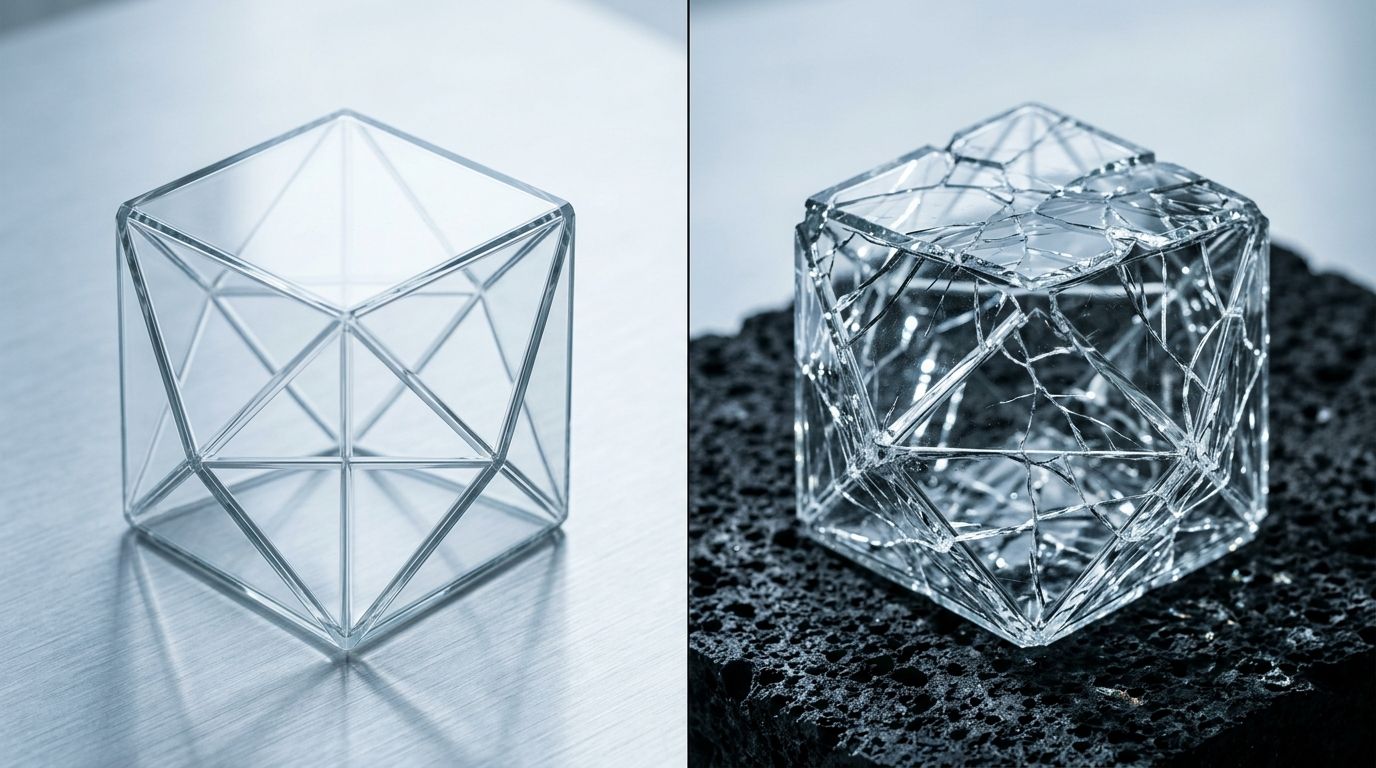
Traffic is expensive. Losing that traffic because your product photography fails to build trust is a preventable expense.
Most founders I have talked to look at a poor conversion rate and immediately fire their performance marketing agency. They assume the agency is sending low intent traffic. In reality, the traffic is fine. The user clicked because they were genuinely interested in the product shown in the dynamic, highly stylized social media ad. The problem is what happens next. They land on a stark product page featuring one poorly lit photograph on a gray background. The excitement dies instantly. The customer bounces, and the founder misdiagnoses the problem as an acquisition issue.
You cannot fix an ecommerce funnel drop-off with better ad targeting if the destination page fails to validate the click. A product page funnel leak is fundamentally a trust issue. Shoppers cannot touch your inventory. They cannot feel the weight of the fabric or inspect the build quality of the hardware. The only proxy they have for physical reality is your photography. When those visuals fall flat, no amount of free shipping thresholds will convince them to open their wallets.
The Anatomy of an Ecommerce Funnel Leak
To properly diagnose where an ecommerce funnel loses customers, you have to break the journey down into distinct micro conversions. The leap from homepage visitor to paid customer is too broad of a metric to be useful. Instead, you need to track the percentage of sessions that result in an add-to-cart action. This single metric tells you everything you need to know about the effectiveness of your product page.
If your add-to-cart rate is hovering around one or two percent, your funnel is broken at the consideration phase. You do not have a checkout problem. People are not abandoning their carts. They are simply refusing to put anything in the cart to begin with. This is the classic product page drop-off funnel scenario. The customer arrives, looks at the price, looks at the single sterile image provided, decides the value exchange is not there, and leaves.
(It is fair to acknowledge that highly technical products with intricate moving parts sometimes still require a dedicated macro photographer to capture specific mechanical details. A poorly optimized checkout flow will indeed cost you sales. However, optimizing a cart page when nobody is adding items to the cart is a complete waste of engineering hours.)
Traffic Quality vs. Product Page Reality
The fastest way to burn through venture capital or hard earned bootstrap cash is to pour money into top of funnel acquisition without fixing your conversion funnel visual gap. You pay two dollars a click on Meta or TikTok. The user waits for the page to load. They see a generic catalog image that looks nothing like the vibrant lifestyle ad they just tapped on. You just paid two dollars to disappoint someone.
This exact scenario is the visual gap costing sales for thousands of direct to consumer brands. The marketing team builds massive hype and expectation, but the merchandising team fails to deliver the visual proof required to close the deal. The resulting gap creates cognitive dissonance. The shopper feels a subtle, almost subconscious sense of distrust. If the brand cannot afford decent photography for their own website, what else are they cutting corners on?
| Visual Asset Strategy | Customer Perception | Funnel Impact |
|---|---|---|
| Single generic catalog photo | Brand feels unestablished or dropshipped | High bounce rate, minimal cart additions |
| Multiple lifestyle and macro angles | Brand feels premium and trustworthy | High engagement, strong add-to-cart conversion |
Diagnosing the Visual Gap on Your Product Page
Fixing a conversion funnel leak ecommerce style requires honesty about your current asset library. Pull up your best selling product right now on your mobile phone. Do you have an image showing scale? Do you have an image showing the product in a lifestyle context? Do you have a detail shot highlighting the texture or material? If the answer is no, you have found your funnel leak.
In the past, solving this problem meant grinding your operations to a halt. You had to book a freelance photographer, ship physical samples across the country, hire a stylist, and wait three weeks for edits. By the time the invoice arrived, you had easily spent two hundred dollars per finished image. Worse, the delay meant you missed the peak momentum of your current marketing campaign.
The Add-To-Cart Rate as Your Barometer
You have to stop guessing what your customers want and start measuring how they react to visual changes. The direct relationship between your product images and add-to-cart rate is the most reliable leading indicator of store health. When you upload a high quality lifestyle image to a previously stagnant product page, the add-to-cart rate typically jumps within forty eight hours.
This is exactly why high volume ecommerce operators are abandoning the traditional studio model for their catalog updates. When you launch twenty new SKUs a month, you simply do not have the time or margin to schedule a full day shoot for every single colorway. You need a system that moves at the speed of the internet. You need to be able to generate visuals on demand to plug leaks the moment you spot them in your analytics.
How to Fix a Conversion Funnel Leak Ecommerce Store Owners Ignore
The solution is to stop treating product photography as a logistical nightmare and start treating it as a dynamic lever you can pull instantly. AI product photography changes the math on conversion rate optimization completely. You do not need to pause your ad spend or wait a month to see if a different angle performs better.
With CherryShot AI, you simply upload a basic flat lay or smartphone photo of your product. You select a visual mode like Minimalist, Loud Luxury, or Influencer. Within minutes, you have a suite of campaign ready photos that look identical to a high end editorial shoot. The per image cost drops to under five dollars. The turnaround time goes from three weeks to the time it takes you to drink a cup of coffee.
When you can generate imagery that fast, your strategy shifts entirely. You can start testing visual aesthetics against each other. Does your audience convert better when the product is shown in a sunlit kitchen or a moody studio setup? You no longer have to guess. You generate both, upload them to your Shopify store, and let the data tell you the answer.
Matching Intent with Visual Evidence
Resolving an ecommerce funnel drop-off is ultimately about managing customer psychology. They want the product. They proved that by clicking the ad. Your only job on the product page is to not talk them out of it. Knowing what makes product photos convert requires an understanding that shoppers buy with their eyes first and justify with logic second.
If your competitor is using stunning, AI generated lifestyle photography to sell a similar product at a higher margin, they will steal your customers. The modern shopper expects absolute visual clarity. They expect to see the product from every angle. They expect the lighting to look professional. If your store looks like a forgotten wholesale catalog from ten years ago, no amount of discount codes will save your conversion funnel.
Stop trying to fix a leaky bucket by pouring more water into it. Pausing your top of funnel spend for a few days to overhaul your product page visuals will yield a much higher return on investment than launching another experimental ad campaign. Fix the visual trust funnel drop first. Make sure your product pages actually sell the product. Once that foundation is solid, every dollar you spend on acquisition will work twice as hard.
Frequently Asked Questions
Where does the ecommerce conversion funnel leak the most?
The most significant ecommerce funnel leak occurs on the product page immediately before the add-to-cart action. Traffic drops off drastically at this stage because incoming visitors expect high-quality visual proof that matches the original marketing promise. Replacing single catalog shots with clear lifestyle images and detailed macro angles prevents users from abandoning the session due to a lack of trust.
Why do product pages leak more conversion than checkout?
Product page drop-offs occur because incoming shoppers lack the desire and trust required to initiate a purchase. Checkout abandonment stems from logistical friction like surprise shipping fees, whereas earlier leaks indicate your visual presentation failed to convince the buyer. Upgrading your photography with distinct angles and real-world scale eliminates this hesitation before the user ever sees a shipping form.
How do I find the funnel leak in my ecommerce store?
Isolate your micro-conversions in Google Analytics or your Shopify dashboard to pinpoint exact drop-off locations. A session-to-add-to-cart ratio falling below three percent clearly indicates your product imagery is failing to generate buyer confidence. Check this specific metric weekly to determine if you need to replace your current catalog photos with higher quality visual assets that validate the purchase price.
Does paid traffic make product page leaks worse?
Paid traffic amplifies conversion drops by driving cold audiences who possess zero baseline trust in your brand. Returning customers might tolerate a single mediocre photo, but ad-driven visitors demand absolute visual proof before entering their credit card details. Adding high-resolution lifestyle shots and detailed close-ups bridges this gap by proving the physical product matches the stylized ad they initially clicked.
How do I fix a conversion funnel leak on the product page?
Align the quality of your destination visuals with the explicit promise made in your top-of-funnel advertising campaigns. Shoppers need multiple high-resolution angles, contextual lifestyle setups, and distinct scale references to completely overcome purchase hesitation. Upgrading your static catalog imagery to reflect premium branding closes this visual gap and directly increases your baseline add-to-cart rate across all incoming traffic sources.
Key Takeaways
- The widest conversion funnel leak occurs before the add-to-cart button is ever clicked.
- A visual gap between your ad creative and your product page destroys customer trust instantly.
- Optimizing your checkout process is useless if your product imagery fails to generate initial desire.
- Replacing slow studio shoots with AI generated lifestyle imagery allows you to plug funnel leaks the moment they appear.
The era of losing fifty percent of your margin to poor website presentation is over. By identifying the exact point where visual trust breaks down, you can stop throwing good ad money after bad. When you are ready to fix your product page funnel leak without waiting three weeks for a studio, visit CherryShot AI and generate the imagery your conversion rate demands.
Audit your product page visuals before your next campaign
Pull up your top-performing ad and place it side-by-side with your product page on a mobile screen. If the destination photography feels like a downgrade from the advertisement, you are bleeding traffic. Use CherryShot AI to instantly generate lifestyle images that match your ad quality and close the visual gap.
Try CherryShot AI