How to Reduce Ecommerce Return Rate: Fix the Product Page First, Then the Policy
If your ecommerce return rate is creeping up, your first instinct is likely to call your third-party logistics provider or rewrite your return policy. Stop. Tightening a return window from thirty days to fourteen does not fix why the customer sent the product back. Charging a five-dollar restocking fee just frustrates buyers who feel misled. The most effective way to reduce ecommerce return rate is to fix the gap between what your product page promises and what arrives in the box. You do this by aggressively improving visual accuracy on the product page.
Definition
Ecommerce return rate reduction is the process of minimizing the percentage of sold items that customers send back to the warehouse. In a visual merchandising context, it focuses on aligning digital product presentation with the physical item to prevent buyer misunderstandings.
Most operators treat reverse logistics as a warehousing problem. It is actually a merchandising problem. When a customer requests a refund, they are telling you the physical item broke the promise made by the digital listing. The battle to decrease product returns is won or lost before the checkout button is ever clicked.
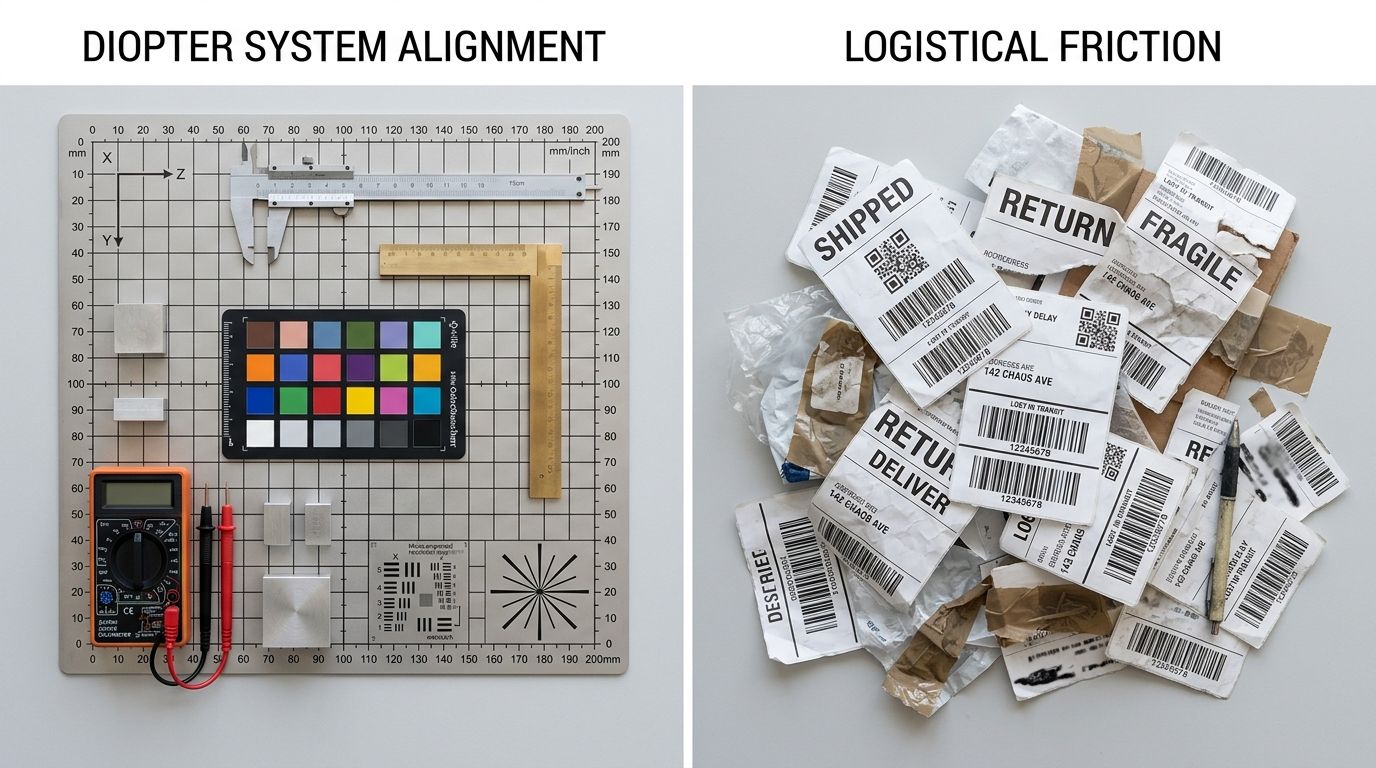
Replacing single white background images with accurate contextual settings is the fastest way to align customer expectations.
Why Policy Changes Fail to Lower Ecommerce Return Rates
There is a dangerous trend right now among digital brands. When returns spike, founders immediately implement hostile return policies. They remove free return shipping. They enforce strict restock penalties. They force customers to jump through automated portal hoops just to get a shipping label.
This is an ecommerce return rate reduction strategy built on punishing the buyer for your own failure to communicate value accurately.
When you make returns painful, you might see a temporary dip in your reverse logistics volume. But you will instantly see a permanent drop in your conversion rate. Modern buyers read policies. If they sense friction, they abandon the cart. Furthermore, a customer who feels trapped with a product they do not want will issue a credit card chargeback and leave a scathing one-star review. You save twenty dollars on reverse shipping but lose hundreds of dollars in lifetime value.
The only sustainable return rate reduction tactics revolve around setting perfect expectations. The policy should be a safety net, not a barricade.
The Root Cause: Visual Accuracy Return Reduction
Look at your return reason codes in Shopify. You will likely see "item not as described" or "did not like in person" dominating the chart. These codes are symptoms of bad photography.
The single white background image is the enemy of visual accuracy. It strips away all reference points for scale and lighting. Let us say you sell ceramic mugs. On a pure white canvas, a twelve-ounce mug and an eight-ounce espresso cup look entirely identical. The customer buys the smaller item assuming it is a standard size. It arrives, it looks tiny, and they initiate a return. You are now paying for reverse shipping simply because you failed to place the mug next to a coffee machine for context.
Understanding how product photos affect return rate is crucial. The margin drain of a single misleading hero image compounds every day it sits live on your store. If the studio lighting washed out the true navy blue of a fabric and made it look black, every customer expecting a black garment is going to send it back.
The Cost of Fixing the Product Page Return Fix
If you identify that your imagery is the problem, the traditional solution is miserable. You have to book a studio, hire an art director, secure a photographer, and wait three weeks for edits. You end up spending thousands of dollars just to prove your tote bag is large enough to hold a laptop.
(Worth noting here: some highly technical products do require traditional macro photography to show exact threading or millimeter-level manufacturing details. If you sell precision medical parts, you need a traditional camera setup.)
But for the vast majority of catalog volume, the bottleneck of a studio shoot is financially unviable. This is exactly where AI product photography becomes a mandatory operations tool.
| Photography Method | Speed to Fix Listings | Financial Impact |
|---|---|---|
| Traditional Studio Shoot | 3 to 4 weeks minimum | High upfront cost for agency and studio booking |
| White Background Only | Fast implementation | Hidden costs from increased return rates due to missed scale context |
| AI Contextual Generation | Same day execution | Low operational cost per image with immediate margin protection |
General-purpose AI image generators completely fail at this because they hallucinate details on the product itself. The logo warps. The shape changes. That only causes more returns. Purpose-built tools like CherryShot AI operate entirely differently. You upload a basic product shot, select a Lifestyle or Minimalist mode, and generate dozens of hyper-realistic, in-context photos in minutes.
Instead of waiting weeks to address a high return metric, you update the listing the same afternoon. When pricing starts at $10 for 50 images, fixing a product page is no longer a major budgetary decision. You spot a sizing confusion issue in the morning, generate contextual lifestyle shots by lunch, and push them live to Shopify before the end of the day.
You do need to understand the limitations of the technology. AI generation is incredibly fast for placing products in new scenes, but it cannot invent a texture that does not exist in your base photo. Your initial upload needs to be crisp. If you upload a blurry, pixelated photo, the AI will struggle to render the specific weave of your fabric accurately.
Tactical Photography Changes That Decrease Product Returns
If you want to stop returns at the source, you have to be deliberate about what your images communicate. It is not enough to just make the product look attractive. You have to make it look honest.
1. Contextualize Scale Immediately
Never force the customer to read the dimension specifications to understand how big an item is. Nobody reads the bullet points carefully. Show, do not tell. If you sell a handbag, show it worn by a person or sitting next to a recognizable object like a smartphone. Using the CherryShot AI Influencer or Lifestyle mode lets you generate these scale markers instantly without booking a model.
2. Show Multiple Lighting Environments
Studio strobes lie. They blast products with perfect, brilliant light that simply does not exist in a normal home or outdoor environment. If a customer buys a velvet chair that looks vibrant emerald green in the studio but looks muddy forest green in their dimly lit living room, they will return it. Generate images of your product in natural, ambient lighting to set realistic color expectations.
3. Prove the Texture
Customers return apparel and home goods when the material feels cheap or different than expected. Since they cannot touch the item through the screen, your photography has to do the heavy lifting. The closer you can get to showing the actual grain of leather or the knit of a sweater, the better.
When you execute these changes correctly, you not only stop bleeding margin on reverse logistics, but you also naturally increase conversion with product page fixes that build immediate trust with the buyer. A customer who fully understands what they are buying is a customer who checks out with confidence.
Frequently Asked Questions
What is the best way to reduce ecommerce return rates?
Improving the visual accuracy of your product page is the most effective method to stop reverse logistics. Customers initiate returns when the physical item fails to match the expectations established by online photos. You can prevent buyers from purchasing the wrong item by adding contextual lifestyle scenes that demonstrate accurate scale and true material textures alongside your basic product shots.
Do better product photos reduce returns?
Clear contextual product images directly eliminate returns caused by sizing misunderstandings and color discrepancies. Upgrading your visual presentation ensures buyers fully comprehend the physical attributes of the item before initiating checkout. Showing the scale of a product next to a universally recognizable object prevents the immediate buyer remorse that happens when a surprisingly small box arrives at their doorstep.
Should I change my return policy or my product images first?
You must fix your product listing images before modifying your post-purchase rules. Tightening a return window effectively punishes the customer for a visual merchandising failure and heavily damages brand trust. While implementing strict penalty fees might slightly lower your reverse logistics volume, it will severely depress your conversion rate as new shoppers abandon carts upon reading hostile return terms.
What photography changes reduce returns the most?
Adding realistic lifestyle scenes to demonstrate accurate physical scale is the highest impact visual adjustment you can make. Displaying products in natural lighting environments rather than blown-out studio setups also sets correct color expectations for the buyer. You should include extreme macro close-up shots that clearly define the material weave and texture to prevent returns based on product feel.
How quickly does improving product photography reduce return rates?
The financial impact materializes immediately for all new purchasing cohorts who see the updated imagery. Upgrading your product pages guarantees the next batch of customers will make a significantly more informed buying decision based on reality. You will verify this exact reduction in reverse logistics volume as soon as that specific educated cohort begins receiving their physical orders.
Key Takeaways
- Hostile return policies damage conversion rates faster than they save margin.
- The majority of preventable returns are caused by sizing and color misunderstandings.
- Single white background images strip away crucial context and inflate your return metrics.
- AI generation tools allow you to fix visual inaccuracies in hours rather than waiting weeks for a studio reshoot.
Stop trying to fix a merchandising problem inside the warehouse. When you give your customers perfect visual context, they buy the right product the first time. The math of reverse logistics is brutal, but the solution is entirely within your control. Take a hard look at your worst-performing SKUs, isolate the visual gaps, and use tools like CherryShot AI to close them before the next batch of orders ships out.
Fix your misleading product images today.
Audit your most returned items and add lifestyle context to clarify scale and texture. Use CherryShot AI to generate accurate, professional environments for your existing product shots in minutes.
Try CherryShot AI