CherryShot AI

    Natural Light Product Photography: When It Works and When You Need Artificial Light
    March 29, 2026

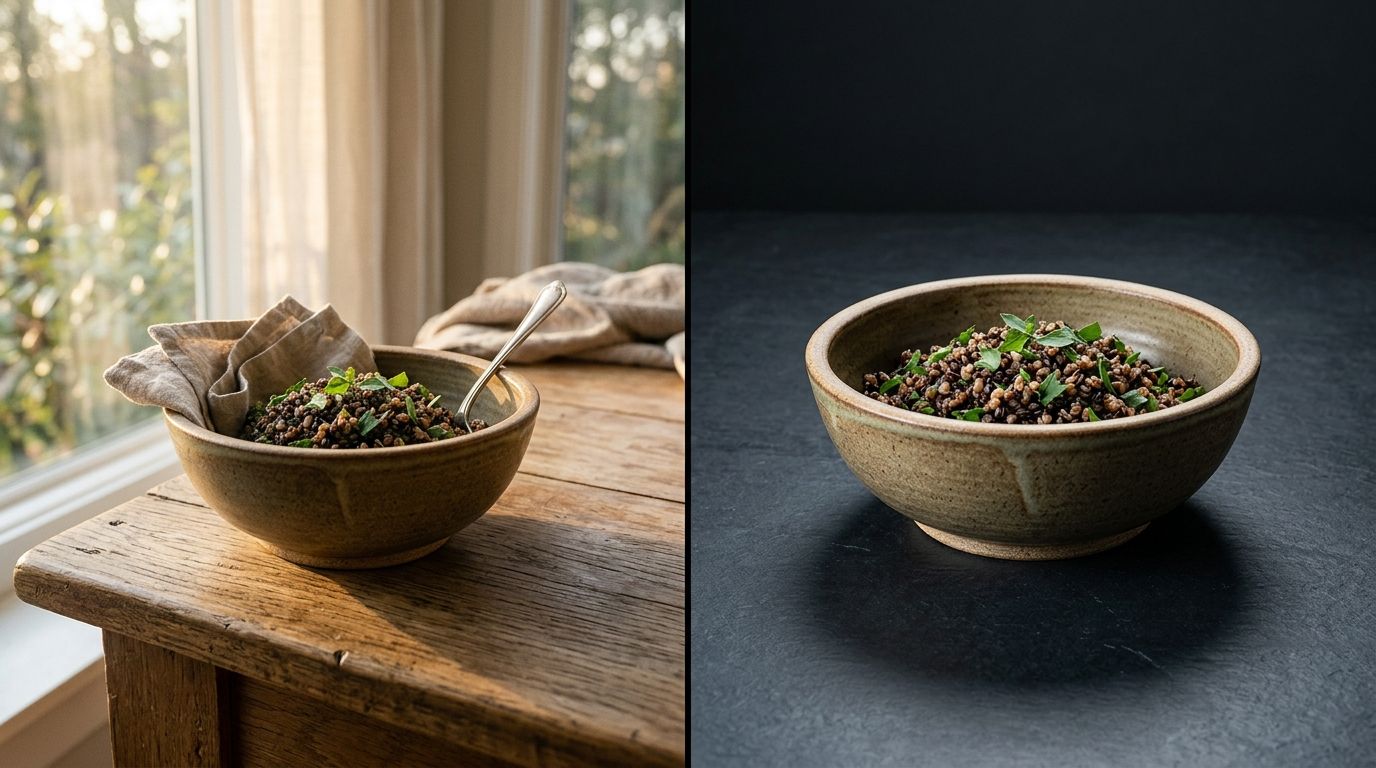
    Natural light product photography creates soft and flattering shadows that elevate organic textures and lifestyle goods. It costs nothing to access and requires minimal gear to get started. However, natural light changes minute by minute based on the weather and the time of day. Artificial light provides the absolute consistency required for shooting extensive catalog inventory on a predictable timeline. Any brand relying purely on the weather to dictate a product launch timeline is sacrificing operational control for a perceived cost saving.

    Natural light product photography utilizes sunlight, typically diffused through a window, to illuminate subjects with a gentle and authentic gradient. Artificial light product photography uses strobes or continuous LED panels to create identical, repeatable lighting conditions regardless of external factors. Brands generally choose natural light for aesthetic softness during initial growth phases, while artificial light becomes mandatory for high volume catalog consistency as operations scale.

    Key Takeaways

    • Natural light is ideal for lifestyle aesthetics but severely limits operational speed.
    • Diffused window light photography requires strict timing and weather monitoring to maintain visual consistency.
    • Artificial light guarantees repeatable results across hundreds of catalog items.
    • AI tools now bridge the gap by offering perfect lighting without requiring any physical studio equipment.
    67%

    of online consumers consider high-quality product images to be very important when selecting and purchasing a product. Shopify E-commerce Benchmark (Verification Required)

    The Mechanics of Natural Light Product Photography

    Mastering the sun as your primary light source requires understanding how light behaves when it enters a room. Direct sunlight is incredibly harsh. It creates dark shadows, blown-out highlights, and intense contrast that obscures the delicate details of your merchandise. To make sunlight usable for commercial applications, you have to modify it. The goal is to stretch the light source, making it broader and softer so that it wraps beautifully around the contours of a product.

    Harnessing Diffused Window Light Photography

    Diffused window light photography is the backbone of the modern indie brand aesthetic. By placing a diffusion material between the window glass and the product, you instantly transform a harsh beam of light into a massive, flattering softbox. You do not need expensive photography gear to achieve this effect. A simple white bedsheet, a piece of sheer tracing paper, or an inexpensive frosted shower liner taped to the window pane works perfectly. The diffusion scatters the light rays, filling in deep shadows and creating a smooth, premium look that resonates highly with consumers on social media platforms.

    (Worth noting: dialing in the exact angle of your bounce cards alongside a window often takes far more trial and error than most photography tutorials admit, especially when you are dealing with reflective surfaces like glass or polished metal.)

    Why a North Facing Window Photography Setup Matters

    Ask any traditional painter or commercial photographer about studio spaces, and they will immediately ask about the windows. A north facing window photography setup is highly prized in the northern hemisphere because it never receives direct sunlight. The sun moves from east to west along the southern half of the sky. A northern window only ever receives indirect, ambient light. This provides a highly consistent baseline of illumination throughout the entire working day. You do not have to constantly adjust your camera settings or reposition your table every twenty minutes to chase a moving sunbeam.

    A minimalist product photography setup featuring skincare bottles on a textured stone plinth bathed in soft diffused window light against a neutral background
    Diffused window light softens harsh shadows and highlights organic textures, making it highly effective for skincare and wellness products.

    When to Rely on Natural Light vs Artificial Light Product Photography

    The debate between natural light vs artificial light product photography usually hinges on aesthetics, but it actually belongs in a discussion about business operations. Natural light is unpredictable. Artificial light is absolute control. Choosing between them dictates your entire workflow, your editing timeline, and ultimately your operational costs.

    The Cost and Operations Perspective

    Emerging brands often choose natural light because it preserves initial cash flow. You do not have to purchase expensive strobe kits, light stands, transmitters, or massive softboxes. However, the calculation most operators miss is the hidden cost of human time. A standard DIY shoot requires checking the weather forecast at least three days in advance to secure a predictable lighting window. If you hire a freelance photographer and it rains, you are paying a day rate for subpar results or paying a cancellation fee to reschedule. You are trading capital expenditure for operational friction.

    Sunlight is free, but waiting for it is expensive.

    When Inconsistency Becomes a Liability

    If you sell a core collection of fifty different apparel items, your catalog page needs to look uniform. A buyer scrolling through a grid of product thumbnails will subconsciously notice if the lighting changes drastically from one image to the next. Natural light makes this uniformity nearly impossible to achieve over a multi-day shoot. The color temperature of the sun changes as the day progresses. Morning light is cool and blue. Afternoon light is warm and golden. If you shoot half your inventory on Tuesday morning and the rest on Thursday afternoon, your editor will spend hours trying to color correct the images to match.

    This exact operational headache is why artificial light became the industry standard. It guarantees that the shirt you photograph in January looks perfectly identical to the new colorway you photograph in July. Today, brands can bypass this entire logistical nightmare. By using an AI tool like CherryShot AI, you can select a specific visual mode and instantly generate perfectly matched, studio-quality lighting across your entire catalog in minutes. You get the aesthetic perfection of a massive studio without having to master external flash or obsess over the weather forecast.

    Building a DIY Product Photography Natural Light Studio

    If you are committed to the organic look of sunlight and are willing to manage the time constraints, building a dedicated diy product photography natural light workspace is entirely feasible. The key is controlling the light you have rather than wishing for more gear. You need to manipulate the shadows and direct the ambient spill to ensure your product remains the focal point of the composition.

    Essential Tools for Indoor Natural Light Photography Tips

    Creating a functional natural light product photo setup requires a few cheap items from a local craft store. Your most important tool is a bounce card. When light hits your product from a window on the left, the right side of your product falls into shadow. By placing a piece of rigid white foam core just out of the camera frame on the right side, you catch the incoming light and bounce it back into the shadows. This reduces contrast and reveals critical product details. You can also use black foam core to intentionally block light and carve deeper, dramatic shadows for a moodier aesthetic. Pair these boards with a sturdy tripod to keep your camera perfectly still, allowing you to shoot at lower ISO settings for maximum image quality.

    Mastering Cloud Light Product Photography

    Many beginners pack their cameras away when the sky turns gray. In reality, a heavily overcast day provides ideal shooting conditions. Cloud light product photography leverages the earth's atmosphere as a giant, perfect diffusion panel. The thick cloud cover entirely eliminates harsh directional shadows and creates a remarkably even, wrap-around illumination. This lighting scenario is incredibly forgiving. It makes shooting highly reflective objects like jewelry, sunglasses, or glossy cosmetics significantly easier because there are no pinpoint light sources reflecting back into the camera lens.

    The Pivot: Moving Beyond Product Photography Without Studio Lights

    Every growing e-commerce brand eventually hits a breaking point with natural light. The volume of new SKUs increases, the marketing calendar becomes more aggressive, and waiting for a sunny afternoon is no longer an acceptable business strategy. Transitioning out of a basic window setup is a massive milestone for a brand. Historically, this meant signing a lease on a commercial studio space and spending thousands of dollars on complex strobe lighting kits.

    This is exactly where the operational bottleneck begins.

    Scaling Production Without Lighting Gear

    Learning to balance multiple artificial light sources requires technical expertise that most founders do not possess and cannot afford to hire out for every minor catalog update. Instead of forcing your team to become commercial lighting technicians, you can change the approach entirely. Product photography without studio lights no longer means relying on the sun. It means generating the environment digitally.

    Brands simply snap a baseline photo of their product in flat, basic lighting and upload it. Using CherryShot AI, they can apply a Minimalist or Lifestyle visual mode that instantly renders professional, multi-point studio lighting around the product. The shadows fall perfectly. The highlights are crisp. The visual consistency across the brand remains flawless, and the entire production timeline shrinks from weeks down to a matter of minutes.

    Frequently Asked Questions

    Is natural light good for product photography?

    Natural light is excellent for product photography when you want to capture organic textures, food, or lifestyle imagery with an authentic and soft aesthetic.

    What time of day is best for natural light product photography?

    The best time to shoot is generally between 10:00 AM and 2:00 PM if you are using a north-facing window for consistent indirect illumination.

    How do you diffuse natural light for product photos?

    You diffuse natural sunlight by placing a translucent material between the light source and your product. Professional photographers use large fabric scrims or specialized modifiers. For a diy product photography natural light setup, you can tape a plain white sheer curtain or a frosted shower liner directly over the window pane. This scatters the harsh light rays before they hit your subject. The result is a smooth transition between highlights and shadows that flatters almost any product.

    When should you use artificial light instead of natural light for product photography?

    You must switch to artificial light when your operational timeline requires shooting large volumes of catalog inventory over multiple days where changing weather patterns would ruin visual consistency.

    If you are tired of scheduling your product launches around the weather forecast, you can generate studio-quality images instantly starting at $10 for 50 images at cherryshot.ai.