Product Photography Pricing in 2026: What You Should Expect to Pay Per SKU
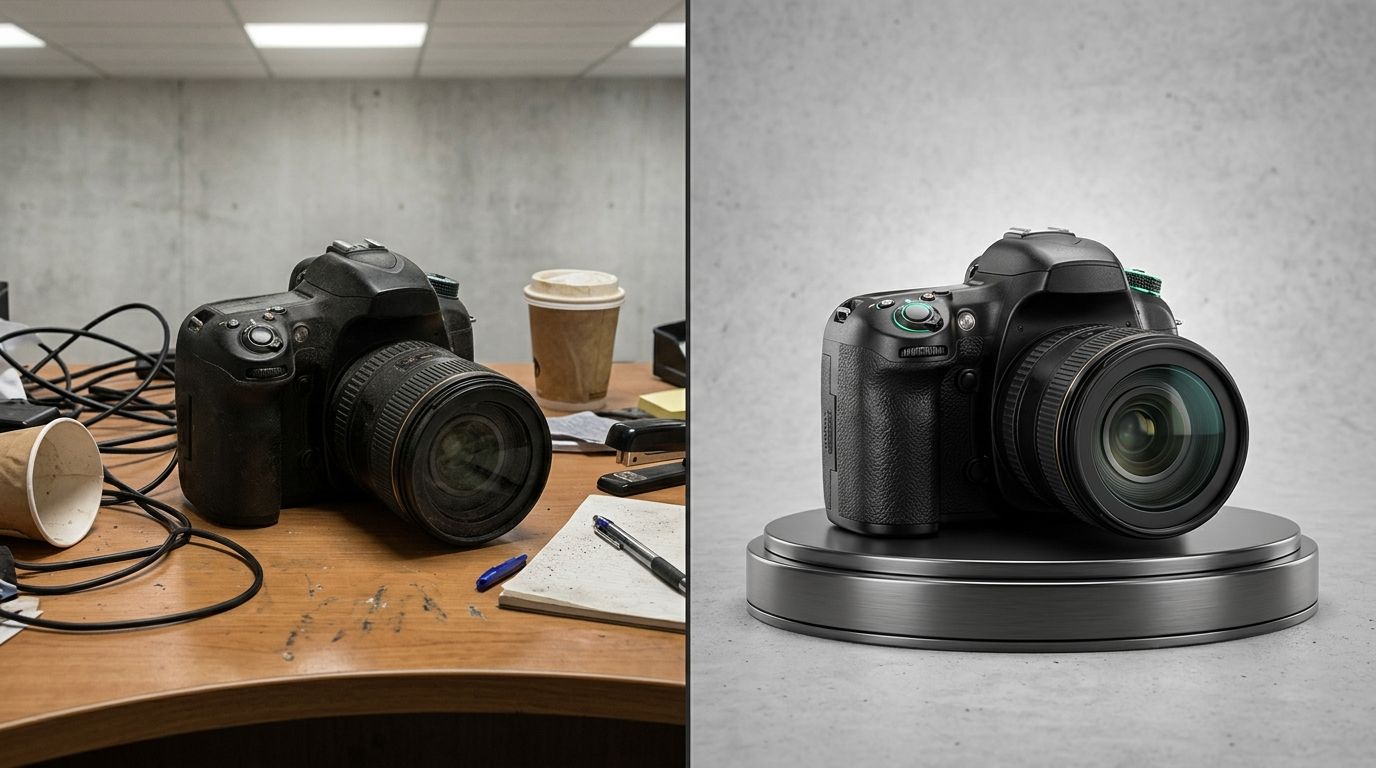
In 2026, the cost of product photography is no longer just about the photographer's day rate. If you are still budgeting based on a flat fee per image without considering the hidden costs of logistics, project management, and studio downtime, you are likely underestimating your true expenditure. Most ecommerce brands find that when you break down the total investment, they are spending between 80 and 200 dollars for every finished asset in their catalog.
Definition
Product photography pricing refers to the total capital expenditure required to produce campaign-ready visuals for retail inventory. This includes photographer fees, studio rentals, art direction, and the post-production work needed to get images onto a website.
The True Cost of a Traditional Studio Shoot
Traditional photography still serves a purpose for high-stakes hero imagery where human creative direction remains unmatched. However, applying that same model to your entire catalog is a recipe for operational bloat. When the real cost per SKU is calculated, many founders realize that half of their budget is going toward wait times and shipping logistics rather than the actual images.
Where Budget Leaks Happen
Photography day rates might look reasonable on a quote sheet until you realize the day is split between prep, lighting adjustments, and cleaning products. If a photographer spends three hours setting up a single scene for one product, your margin per SKU takes a direct hit. (Efficiency is essentially the only way to protect your profit margins in a high-SKU business.)
| Method | Typical Cost Range | Turnaround Time |
|---|---|---|
| Professional Studio | $80 - $200 per image | 2 to 4 weeks |
| Freelance Photographer | $400 - $1,200 per day | 1 to 2 weeks |
| AI-Powered Tool | $5 - $20 per image | Minutes |
Scaling Without Ballooning Your Budget
If you are serious about growth, you cannot scale linearly with your photography costs. AI photography cost vs. studio is not just about choosing one or the other. It is about identifying which imagery requires a human hand and which imagery can be generated to maintain a consistent aesthetic for your seasonal catalog drops.
By automating the repetitive parts of your visual production, you free up cash flow that can be redirected toward marketing or product development. Many brands that were once intimidated by the cost of professional photography now find they can maintain a polished look for every single product variant, regardless of launch volume.
The Pivot to Digital Production
The most successful operators I have worked with are those who stop viewing photography as a "shoot" and start viewing it as an "asset generation" process. When you can generate new campaign assets in minutes, you lose the fear of running out of content. This changes how you approach social media, email campaigns, and site merchandising. It moves your brand from a reactive posture, where you are waiting on a photographer's schedule, to a proactive one where you control the timeline.
Of course, this approach isn't perfect for every situation. You should reserve your human photographers for your most critical hero campaigns where unique, non-repeating creative direction is the primary goal. For everything else, CherryShot AI offers a path to professional-grade visuals starting at just 10 dollars for 50 images. It is simply about matching the tool to the objective.
Frequently Asked Questions
How much does a product photography shoot cost in 2026?
Traditional studio rates in 2026 typically range from 80 to 200 dollars per finalized image when accounting for labor, rental, and retouching. Daily rates for professional photographers often sit between 1,500 and 4,000 dollars depending on location and experience. Small brands often find these figures prohibitive when launching multiple product variants. AI solutions have shifted this landscape by providing high-fidelity assets for a fraction of the traditional overhead cost.
What is included in a typical product photography package?
Most professional packages include pre-production planning, actual shooting time, lighting setup, and post-production editing or color correction. Agencies often bill extra for complex styling, prop rental, and advanced image compositing services. You are usually paying for the entire studio ecosystem rather than just the final click of a camera shutter. Always verify whether usage rights for commercial advertising are included in your quote.
At what SKU volume does AI photography become cheaper than hiring a photographer?
The break-even point occurs almost immediately for most brands managing more than five SKUs per season. While photographers provide unique value for flagship hero imagery, high-volume catalog work creates significant logistical debt. Managing spreadsheets and studio timelines for fifty product variants requires massive internal resources that disappear with automated workflows. Most companies find that shifting routine catalog needs to digital tools saves thousands within the first quarter.
How do I reduce product photography costs without sacrificing quality?
Audit your existing production process to identify where hours are leaking into non-creative tasks like setup and tear down. Many brands successfully reserve human studio time for high-impact hero shots while automating simple packshots and seasonal colorways. You should focus your limited budget on the photography that directly influences core brand perception. Utilizing digital alternatives for the bulk of your inventory allows you to maintain professional standards across the entire catalog.
Key Takeaways
- Factor in hidden costs like project management and downtime to find the real per-SKU price.
- Reserve expensive human studio time for hero imagery rather than routine catalog shots.
- Scale your content production by adopting digital tools that handle high volumes instantly.
- Maintain brand consistency by using AI-powered generation for seasonal colorway updates.
Streamline your product catalog production today
Stop waiting on studio schedules and start generating professional assets on demand. Upload a single product image to CherryShot AI and see how quickly you can fill your next seasonal campaign.
Try CherryShot AIThe transition from manual photography to digital generation is not about sacrificing quality, but about reallocating resources to where they matter most for your customers.