Hiring a product photographer in 2026 requires budgeting between $50 and $150 per image or paying a standard day rate of $800 to $2,500. You must review their portfolio for lighting consistency, ask about their post-production turnaround times, and secure full commercial usage rights before signing a contract. Finding the right professional means looking past flashy social media feeds and focusing on technical precision. Any brand still paying standard day rates for basic catalog shots with plain white backgrounds is burning budget on logistics instead of creative value.
To successfully hire a product photographer, businesses must request a detailed quote that separates the shoot fee from editing and licensing costs. The most effective way to evaluate a freelance product photographer is to request raw, unedited sample files from a previous shoot to assess their actual lighting skills before digital corrections are applied.
Key Takeaways
- Standard day rates for professional product photographers range from $800 to $2,500 depending on location and setup.
- Always separate the creative fee from post-production and licensing costs in your vendor contract.
- Review portfolios specifically for technical lighting control rather than just admiring the artistic styling.
- Many ecommerce brands now replace basic catalog shoots with AI generation to preserve budget for high-end lifestyle campaigns.
of ecommerce shoppers say product image quality is the single most important feature when buying online. Shopify Ecommerce Benchmarks, 2025 (Verification required)
How Much to Pay a Product Photographer in 2026
Understanding product photography rates in 2026 is the first step toward building a realistic marketing budget. Pricing models in the commercial photography industry are rarely straightforward. Most professionals charge based on the complexity of the shoot, the intended usage of the final images, and the physical location of the studio. You must clarify exactly what pricing structure a photographer uses before shipping your valuable inventory across the country.
Day Rates Versus Per-Image Pricing
Freelance photographers generally operate on one of two billing models. The first is a per-image rate. This is ideal for standard ecommerce catalog updates where you need a predictable white background shot for every item. Expect to pay between $50 and $150 per image. This rate usually includes basic retouching, color correction, and formatting for web use. If you have a small product line of ten items, this model keeps your costs firmly under control.
The second model is the day rate. A day rate covers the photographer's time, expertise, and studio equipment for a set number of hours. In major markets like New York or Los Angeles, day rates start around $1,500 and can easily exceed $3,000 for highly specialized professionals. A half-day rate is sometimes available for smaller projects. Day rates are necessary when shooting complex lifestyle scenes, working with human models, or building elaborate custom sets where the time spent styling outweighs the number of final images produced.
Hidden Costs You Must Budget For
The baseline rate is rarely the final number on your invoice. Traditional photo shoots carry a heavy logistical burden. You must budget for physical prop sourcing, backdrop materials, and specialized styling equipment. If the photographer does not own their own studio space, you will pay a separate studio rental fee that can add $500 to $1,000 to your daily cost.
Post-production is another separate line item. While a per-image rate often includes basic edits, a day rate almost never does. You will be billed an hourly rate for retouching dust, removing reflections, and compositing multiple exposures. Usage licensing is the final hidden cost. Photographers own the copyright to the images they take. If you want to use the photos in a national television campaign or on a billboard, you will pay a premium licensing fee on top of the production costs.
(Worth noting: paying for full buy-out rights is rarely necessary unless you plan to use the photos in massive physical print campaigns, so you can often negotiate this down to standard digital usage.)
Where to Find a Product Photographer for Ecommerce
Sourcing the right creative partner takes more effort than running a quick local search. Many excellent portrait or wedding photographers attempt to transition into commercial product work without understanding the strict technical requirements of ecommerce platforms. You need a specialist who understands aspect ratios, pure white backgrounds, and macro focusing techniques.
Building a Reliable Shortlist
Start your search on visual platforms rather than text-based directories. Behance and standard portfolio websites are excellent places to find dedicated commercial talent. Look for specific industry tags that match your niche. A photographer who excels at shooting matte clothing on ghost mannequins might struggle terribly with the harsh reflections of polished jewelry or glass skincare bottles.
A Practical Product Photographer Portfolio Guide
When reviewing a candidate's portfolio, look past the beautiful props and focus entirely on the product itself. The item should be the sharpest object in the frame. Check the highlights on reflective surfaces. Professional lighting creates smooth, deliberate gradients of light across curved edges. Amateurs leave harsh, blown-out hotspots that obscure product details.
Color accuracy is another critical checkpoint. If a photographer's portfolio features heavy, moody color grading that alters the fundamental look of the items, they might be leaning too hard into an artistic style at the expense of commercial utility. Customers return products when the color in the box does not match the color on the screen. Your photographer must know how to use a color checker passport to ensure perfect accuracy.
The Interview: Ecommerce Photographer Hiring Tips
Once you have a shortlist of three to five candidates, set up brief video interviews. This conversation is not just about confirming their rate sheet. It is about understanding their workflow, their communication style, and their ability to hit strict retail deadlines.
A single poorly lit hero image can tank a product launch.
Technical Questions to Ask Before Signing
Ask the photographer how they handle file delivery and revision rounds. A professional will have a set policy outlining exactly how many rounds of retouching are included in their baseline fee. You must also ask about their standard turnaround time. Traditional shoots often require two to three weeks of post-production before you see the final files. If your marketing schedule is tight, you need to know this delay upfront.
Discuss file formatting requirements explicitly. Tell them exactly where these images will live. Amazon requires very specific dimensions and a pure white background with a specific hex code. Shopify stores often need optimized, compressed files that will not slow down page load speeds. A seasoned ecommerce photographer will already know these specifications and build them into their export process.
Structuring a Paid Test Shoot
Never hand a massive seasonal campaign to a new vendor without a trial run. Commission a small, paid test shoot featuring three of your most challenging products. This small investment reveals everything you need to know about their communication, their respect for deadlines, and their actual raw talent. Pay their full rate for this test. It sets a foundation of professional respect and protects your larger marketing budget from a costly mistake.
Balancing Budget Between Human Photographers and AI Tools
The rising cost of studio logistics is forcing brands to rethink their entire visual production pipeline. Relying solely on human photographers for every single image variation is an outdated strategy. Smart brands now split their visual strategy into two distinct workflows.
The average DTC brand shoots new inventory four times a year.
When to Skip the Studio Entirely
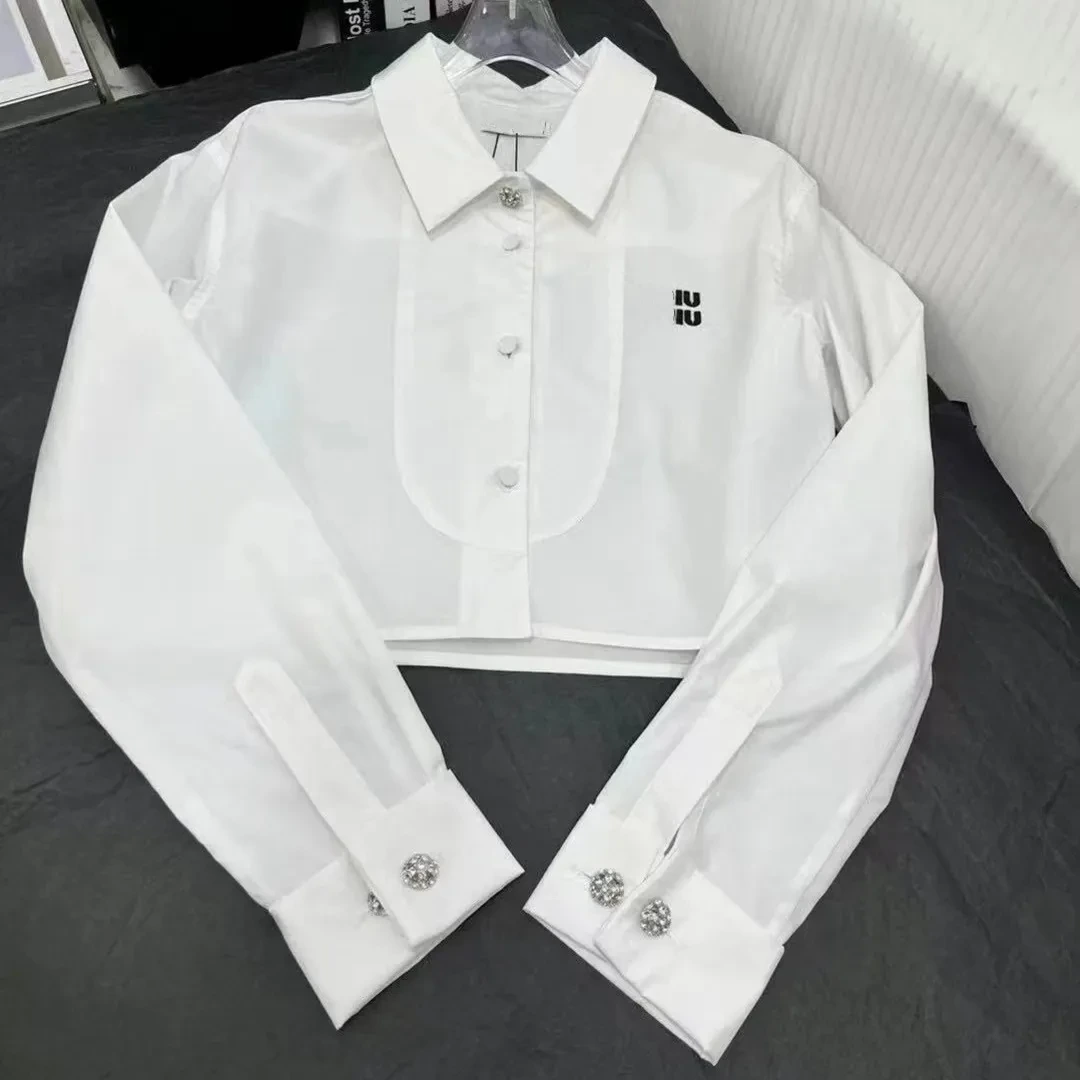
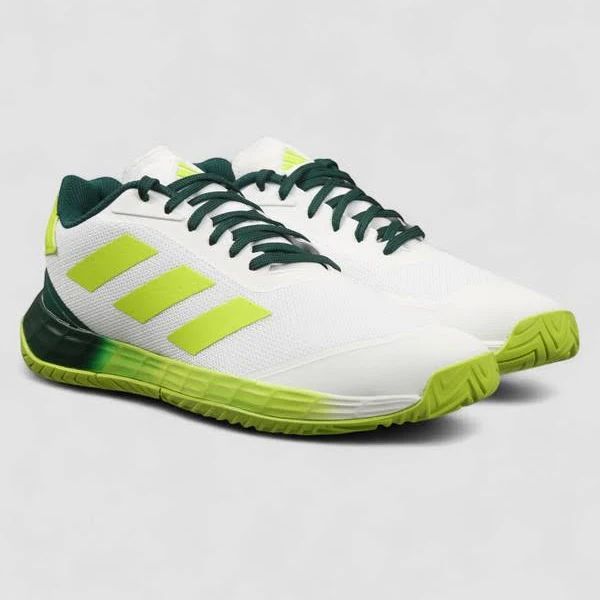
High-volume catalog updates, color variations, and standard social media content no longer require a physical studio. Traditional photography software handles post-production, but it does not eliminate the need for the physical shoot itself. This is where AI completely alters the cost equation. You can replace repetitive, expensive studio days by generating the required images digitally.
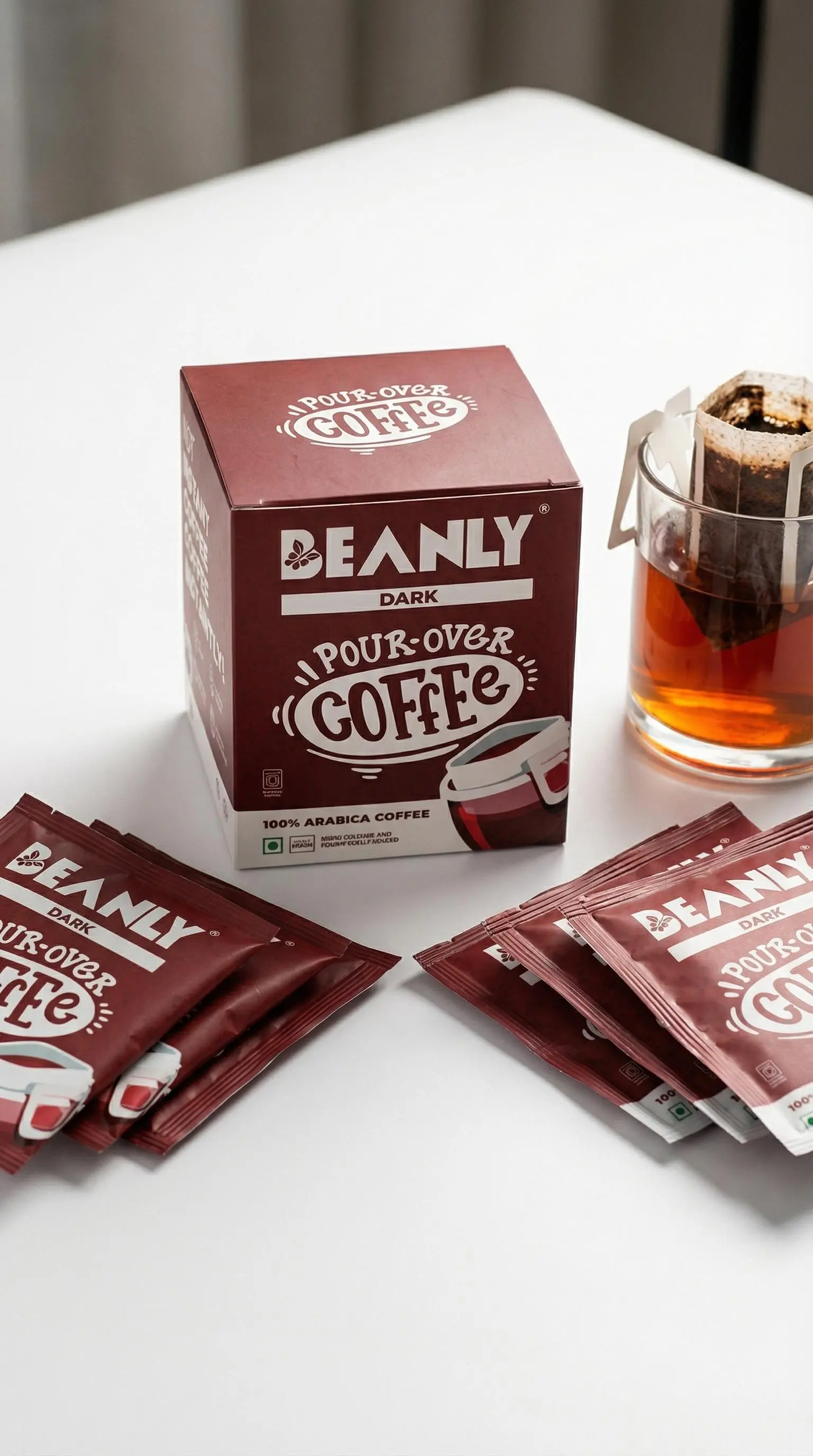
Using CherryShot AI, brands upload a simple snapshot of their product, select a specific aesthetic like Minimalist, Luxury, or Lifestyle, and receive campaign-ready outputs in minutes. You eliminate the studio rental fee, the day rate, and the three-week editing delay. This targeted approach allows you to reserve your expensive human photographer specifically for highly complex editorial campaigns or unique setups involving human models, maximizing the return on your creative budget.
Frequently Asked Questions
How much does a product photographer charge per day in 2026?
A professional freelance product photographer typically charges between $800 and $2,500 per day.
What should I look for in a product photographer's portfolio?
You need to evaluate their control over lighting and reflections rather than just admiring their creative props. Look closely at how they handle challenging materials like glass, metal, or glossy plastics. A strong portfolio will show consistent color accuracy across different lighting setups and completely sharp focus on the key product features. If every image relies heavily on obvious digital manipulation, the photographer might lack fundamental camera skills.
What is the difference between a product photographer and a brand photographer?
A product photographer focuses on capturing accurate details, textures, and features of a specific physical item for an ecommerce storefront. A brand photographer focuses on capturing the overarching mood, lifestyle, and human element surrounding the company itself.
At what stage should I stop hiring photographers and switch to AI?
Brands should switch to AI for high-volume catalog imagery, standard social media content, and rapid variations of flat lays. You only need to hire a human photographer for highly complex hero shots or specific editorial campaigns involving human models. Replacing basic studio shoots with AI generation immediately reduces your production costs and accelerates your launch timeline.
Building a reliable visual pipeline does not have to mean draining your marketing budget on endless studio days. If you want to see what this looks like for your specific product category, CherryShot AI starts at $10 for 50 images at cherryshot.ai.