The Visual Promise Gap in Ecommerce: Why Your Ads and Your Product Pages Are Telling Two Different Stories
The visual promise gap in ecommerce is the jarring disconnect between the highly stylized aesthetic of your paid advertising and the sterile reality of your product pages. It happens every second of the day. An ad sells a compelling mood on social media. The user clicks. The landing page delivers a basic catalog image with zero narrative energy. Trust breaks. Conversion plummets.
Definition
The visual promise gap is the drop in consumer trust that occurs when the aesthetic quality of an advertisement does not match the product page it links to. It typically manifests when highly stylized lifestyle campaigns direct traffic to sterile, white-background product listings. This discrepancy breaks the shopper's visual continuity and negatively impacts conversion rates.
Most media buyers blame the landing page copy or the pricing structure when this happens. They are entirely wrong. The drop off is almost entirely visual.
When you run high production lifestyle ads that dump traffic onto a generic Shopify template populated by flat cutouts, you are committing a bait and switch. You promised an editorial experience. You delivered a spreadsheet. Customers do not read your product descriptions to figure out why they feel disappointed. They just hit the back button and go back to scrolling.
Understanding the Visual Contract of Paid Traffic
Every single ad click is a micro agreement. The user is buying into a specific aesthetic. We call this the visual contract of paid traffic. They liked the warm lighting. They liked the texture. They liked the feeling of the environment you built around your product.
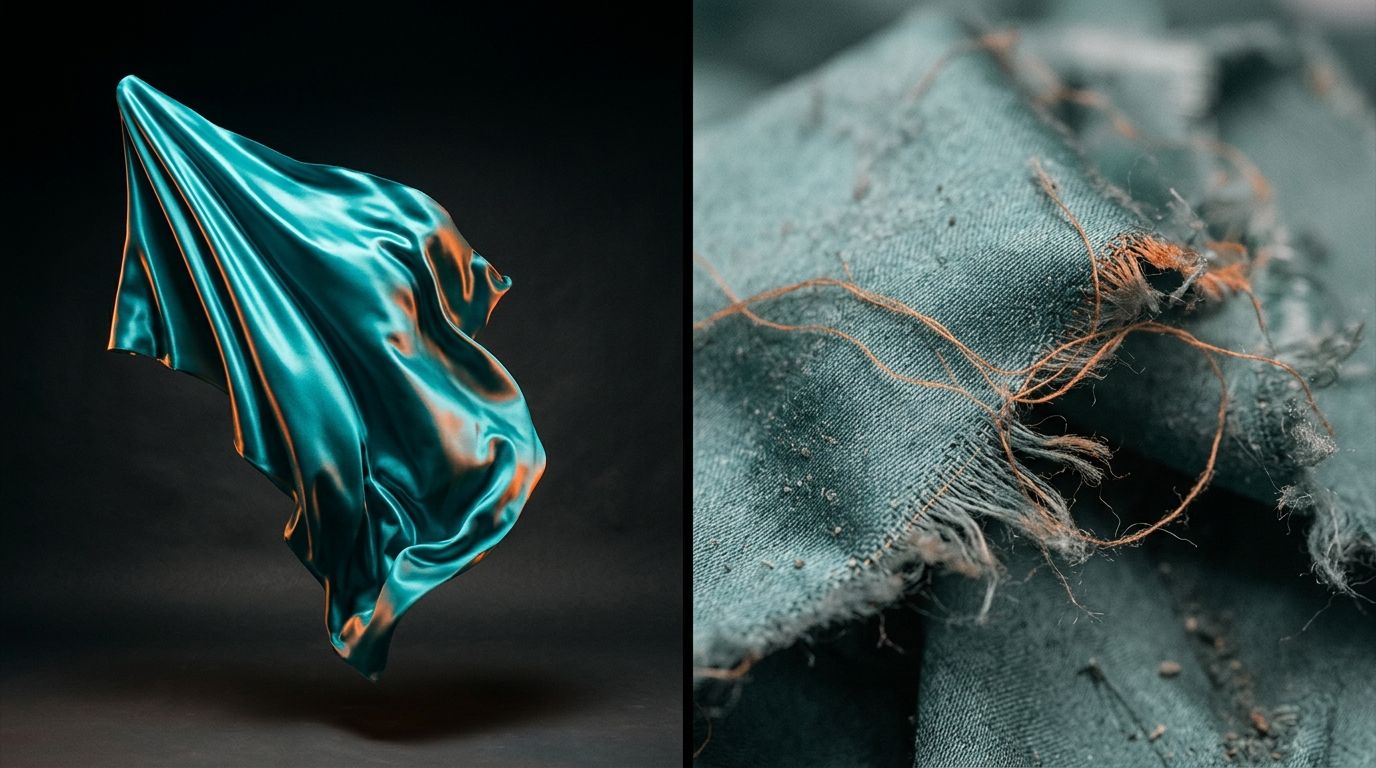
When the energy of your ad creative fails to carry over to your product page, the resulting friction destroys conversion rates.
How Ads Set an Implicit Expectation
Think about the operational reality of launching a campaign. You probably paid an agency a serious premium for your top of funnel creatives. They brought in a stylist. They rented a fantastic location. They shot the product in golden hour light with models who embody your exact target demographic. The ad practically breathes.
The media buyer scales the campaign. Click through rates look incredible. Cost per click is at an all time low. High fives all around in the Slack channel.
Then you look at your Shopify dashboard. Traffic is flooding in, but nobody is adding to cart. The numbers make no sense until you actually audit the user journey. The customer clicks that beautiful, sunset soaked image of your new leather tote bag. The page loads. They are instantly hit with a shadowless, clinical JPEG of the bag floating on pure white. The magic dies instantly.
The brain is incredibly sensitive to visual continuity. When the ecommerce visual story coherence shatters, the user feels a subtle but profound sense of wrongness. If you want a detailed breakdown on diagnosing these specific leaks in your funnel, our guide on fixing ad to landing page conversions maps out the exact metrics to watch.
Diagnosing the Ad Creative Product Page Gap
Fixing this problem requires admitting where the system is broken. The traditional studio photography pipeline is fundamentally flawed for modern digital marketing.
The Sterile White Background Problem
Let me state something clearly. Pure white background photography is incredibly effective for technical clarity. You absolutely need it in your image carousel so customers can zoom in on the stitching, verify the hardware, and understand the true proportions of the product. That is a genuine requirement for selling physical goods online.
But relying on it as the only visual narrative on your product page is a massive mistake. The trade off of ultimate clarity is the complete destruction of emotional resonance. A product floating in white space tells no story. It evokes no desire.
When your ad promises loud luxury and your product page delivers a sterile marketplace listing, you create the ad to product page visual consistency gap. The user does not feel the same impulse to buy that they felt three seconds ago on Instagram.
The Logistical Nightmare of Visual Consistency
I remember sitting in a freezing studio in Brooklyn trying to stretch a half day shoot to cover both our holiday campaign and the base catalog updates for thirty new SKUs. It was a disaster. We ran out of time before lunch. The campaign hero images got the full lifestyle treatment. The catalog pages got rushed, lifeless flatlays.
Two weeks later, our return on ad spend tanked. The ads and the product pages looked like they belonged to two entirely different companies.
This is why achieving ecommerce visual promise is so rare. It is historically very expensive. Running a full lifestyle set for every single product variation requires a massive budget and weeks of post production. This inconsistency compounds as your SKU count grows, making maintaining visual consistency across your catalog a logistical nightmare without an army of retouchers.
Closing the Ecommerce Visual Promise Gap
You cannot solve this by running cheaper ads. You solve this by elevating the product page to match the ad.
Expanding Your Visual Toolkit with AI
You need campaign energy on the actual point of sale. This is where AI product photography completely changes the operational math. Instead of booking a second studio day just to get your product pages up to par, you can generate the exact environments you need digitally.
Upload your standard, sterile product images to CherryShot AI. Select a visual mode like Lifestyle, Magazine, or Loud Luxury. Within minutes, you generate cohesive, high converting imagery that perfectly matches your top of funnel creatives. The per image cost drops from $150 to under $5. The turnaround time drops from three weeks to an afternoon.
| Production Method | Average Turnaround Time | Per-Image Cost Estimate |
|---|---|---|
| Traditional Studio Lifestyle Shoot | Three weeks | $150+ |
| AI-Generated Lifestyle Environment | An afternoon | Under $5 |
(Worth noting: a high end agency shoot still holds immense value for massive brand repositioning or core hero imagery. But for everyday ad to page continuity across hundreds of variations, paying a human photographer for catalog volume is financially reckless.)
By using AI to bridge this gap, you restore paid traffic visual trust. The customer clicks the ad, lands on the page, and the visual narrative continues seamlessly. The mood is intact. The impulse remains strong. The conversion happens naturally.
The Hidden Costs of Visual Mismatch
The visual promise gap does not just kill initial sales. It creates a lingering poison in your operational metrics. When a customer actually pushes through the friction and buys based on the ad's promise, but receives a physical product that feels like the sterile page they bought it from, their expectations clash with reality.
Returns and Customer Friction
We have seen firsthand how poor visual continuity inflates post purchase dissatisfaction. If the product arrives looking less vibrant than the ad suggested, the customer feels cheated. If you want to understand the deep financial bleed here, looking into how product images and return rates interact will show you exactly where that cost hides in your margin.
Closing the gap is not just a conversion rate optimization tactic. It is a fundamental requirement for building a modern, profitable brand.
Frequently Asked Questions
What is the visual promise gap in ecommerce?
The visual promise gap is the severe disconnect between highly stylized paid advertising and the sterile reality of your product pages. This jarring transition occurs when an ad sells a compelling mood, yet the resulting landing page delivers a basic catalog image lacking narrative energy. Customers experience instant visual whiplash when transitioning from a vibrant editorial layout to a flat, spreadsheet-like product listing grid.
How does the visual promise gap affect paid traffic conversion?
The visual promise gap destroys paid traffic conversion by introducing immediate friction into the buying experience. Users click an ad with a subconscious expectation of continuity, and their brain registers alarm when the destination page fails to match that visual standard. Shoppers quickly assume they landed on the wrong site or lose their emotional impulse to purchase, driving instant bounces and wasting valuable ad spend.
How do I identify if my store has a visual promise gap?
Identifying a visual promise gap requires a side-by-side comparison of your top-performing marketing assets and their destination URLs. You can diagnose this issue quickly by opening your best Meta or TikTok ad on your mobile device while loading the landing page on your monitor. A massive disconnect exists if the social creative looks like a premium editorial magazine while the product page resembles a generic, shadowless marketplace listing.
How do I close the visual promise gap between my ads and product pages?
Closing the visual gap requires upgrading your product page imagery to match the exact energy of your top-of-funnel creatives. Brands achieve this alignment by replacing expensive secondary lifestyle shoots with AI tools that generate campaign-level environments directly from base product shots. Modifying these assets with CherryShot AI applies the specific aesthetic of your advertising to the catalog without adding weeks of post-production delays.
Is the visual promise gap a real conversion problem?
The visual promise gap is a severe conversion problem that media buyers frequently misdiagnose as an issue with price or copywriting. Customers actually demonstrate acceptance of the price and product premise the moment they click the initial advertisement on social media. Traffic drops off purely because the visual narrative breaks upon landing, forcing the shopper to reconsider the transaction and exit the storefront entirely.
Key Takeaways
- A visual disconnect between an ad and a product page immediately kills user trust.
- Sterile white backgrounds offer clarity but destroy the emotional impulse to purchase.
- Traditional studios are too slow and expensive to maintain visual consistency at scale.
- Using AI to generate lifestyle environments on product pages closes the gap and restores conversion momentum.
The era of getting away with lazy catalog imagery is over. Your customers expect the aesthetic they clicked on to be the aesthetic they buy from.
Stop paying for clicks you cannot convert. Take control of your visual narrative and start turning your product pages into seamless extensions of your best campaigns with CherryShot AI.
Audit your product pages against your top-performing ads today
Open your highest converting social campaign next to its landing page. If the visual continuity breaks, you are losing expensive traffic. Use CherryShot AI to instantly generate lifestyle environments that carry your ad's energy all the way to the checkout button.
Try CherryShot AI