Ecommerce Conversion Rate Optimization in 2026: Fix the Product Page Before You Touch Checkout
Ecommerce conversion rate optimization is the systematic process of increasing the percentage of visitors who complete a purchase. Most founders start this process at the wrong end of the funnel. They install one-click payment plugins, tweak the background color of their shopping cart, and wonder why their daily revenue numbers refuse to climb. They fail because the checkout is just the cash register. If your conversion rate is stubbornly low, the problem is your product page.
Definition
Ecommerce conversion rate optimization is the methodical practice of improving your online store to increase the percentage of visitors who complete a purchase. It relies on user data and structured testing to remove friction points on your website rather than spending more money to acquire new traffic.
Customers do not abandon their carts because typing in a shipping address is too difficult. They abandon their carts because your product page did not effectively convince them the item was worth buying in the first place.
(Obviously, if your checkout flow takes twenty seconds to load or routinely rejects valid credit cards, you need to fix that infrastructure immediately).
Assuming your basic payment processing works, the friction is happening higher up. I have watched countless leadership teams spend weeks debating minor checkout layout changes while ignoring the fact that their primary product images were pixelated on mobile devices. They were trying to optimize the exit door while the main lobby was actively driving people away. Fixing your conversion rate starts with a ruthless audit of the page where the buying decision is actually made.
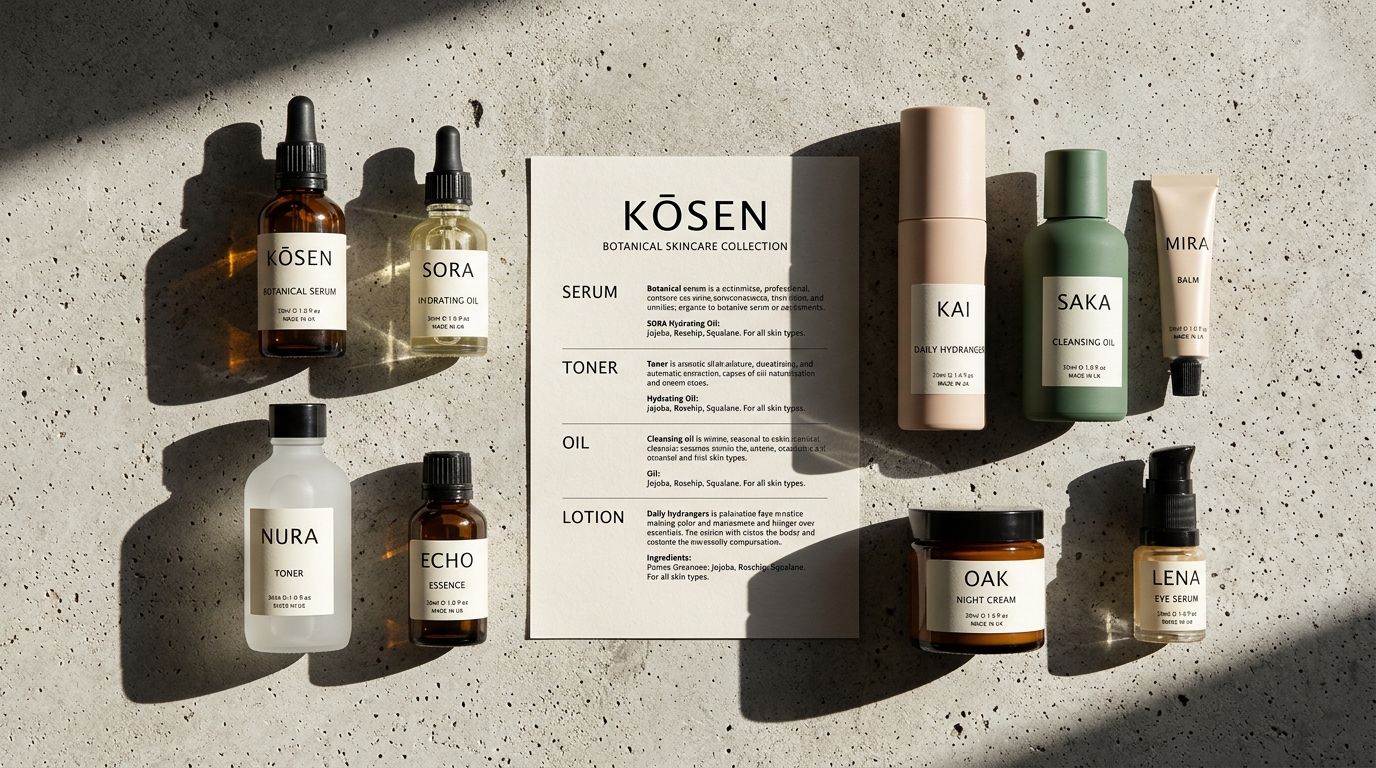
Before you mess with your payment gateways, ensure your product page actually answers the customer's visual questions.
Why product page design is your actual bottleneck
When a prospective buyer clicks your ad on social media, they arrive with high intent but zero patience. They will not read your clever product descriptions right away. They will scan the page for visual evidence that your product solves their problem. If they do not find that evidence within three seconds, they will bounce.
A high-converting product page does not trick people into buying. It simply removes every logical reason they have to say no. This is why aggressive ecommerce CRO tactics prioritize clarity over cleverness. You have to assume the buyer is skeptical of your claims, wary of your shipping times, and entirely unwilling to read dense paragraphs of text.
| Focus Area | Primary Objective | Highest Impact Fixes |
|---|---|---|
| Product Detail Page | Drive initial add-to-cart actions | Upgrading primary imagery and adding trust signals |
| Checkout Flow | Recover high-intent abandoned carts | Fixing broken payment gateways and reducing form fields |
The heavy lifting of product photography
In a physical retail store, a customer can pick up a leather jacket, feel the weight of the hardware, check the stitching, and try it on. Online, product photography serves as the only proxy for that physical interaction.
If your image gallery only contains two flat lay photos on a pure white background, you are starving the buyer of information. They want to see the product in context. They need to understand its true scale. Spending the time to understand what makes product photos convert is the highest-leverage activity you can do for your store.
Producing this volume of contextual imagery does come with a catch. High-quality imagery takes more upfront work and planning to produce, but it is the only reliable way to reduce pre-purchase hesitation. Generating these variations used to require a week of expensive studio time. Today, specialized AI platforms like CherryShot AI allow brands to upload a basic photo and generate campaign-ready lifestyle shots in minutes. By removing the logistical nightmare of traditional photo shoots, you can finally fill your image galleries with the visual proof your customers demand.
The essential ecommerce CRO checklist 2026
If you want to improve ecommerce conversion rate metrics without increasing your ad spend, you need to follow a strict checklist on every single product page. Do not leave these elements to chance.
Stacking trust signals above the fold
Buyers have been burned by pop-up dropshipping stores and delayed shipping times. They arrive at your site looking for red flags. You must establish credibility immediately.
Place your star ratings right under the product title. Make your shipping expectations painfully obvious near the add-to-cart button. Do not bury your return policy in the footer menu where nobody will ever see it. If a buyer has to hunt for information about how to return an item, they will simply leave. For newer stores operating without massive brand recognition, learning how to build trust on product pages is often the exact difference between a one percent and a three percent conversion rate.
Ruthless mobile optimization
Most brands design their websites on large desktop monitors and then briefly check how it looks on a phone. Your customers are doing the exact opposite. Over seventy percent of your traffic is likely browsing on a six-inch screen while sitting on a train or waiting in line for coffee.
Mobile optimization is not just about making sure the text wraps correctly. It is about restructuring the entire visual hierarchy. The add-to-cart button must be sticky so it remains visible as the user scrolls through the description. Image carousels must support native swipe gestures. If your mobile page requires the user to pinch and zoom just to read the ingredients label on a skincare bottle, your conversion rate will suffer.
Measuring what actually matters
You cannot optimize what you do not measure. Guessing why customers are leaving your site is a waste of time. You need to deploy specific tools to gather qualitative and quantitative data about user behavior.
Deploying heat maps and session recordings
Heat maps show you exactly where people are clicking and how far down the page they are scrolling. You might discover that ninety percent of your visitors never scroll past the main image gallery. If your most compelling customer testimonial is located at the very bottom of the page, nobody is reading it.
Session recordings take this a step further by showing you anonymous video playbacks of real users navigating your site. Watching a user aggressively tap on an unclickable image out of frustration will teach you more about your user interface than a dozen strategy meetings.
Building a rigorous A/B testing program
Once you identify a problem area, you do not just change it and hope for the best. You run a controlled experiment. A/B testing involves showing version A of your product page to half your traffic and version B to the other half.
Maybe you suspect your hero image is failing to grab attention. Instead of guessing, you can A/B test product photos to see if a lifestyle shot outperforms a sterile studio image. A strict testing program removes emotion from the design process. The winning variant becomes your new baseline, and you move on to testing the next variable.
Frequently Asked Questions
What is ecommerce conversion rate optimization?
Ecommerce conversion rate optimization is the systematic practice of increasing the percentage of website visitors who complete a purchase. This discipline focuses entirely on extracting more revenue from existing traffic rather than spending additional budget on advertising acquisition. You execute this by analyzing user behavior to identify friction points and implementing targeted changes to your product layouts, written copy, and visual imagery.
Where in the funnel do most stores lose buyers?
Most ecommerce stores lose the highest volume of potential buyers on the individual product detail page. The vast majority of acquired visitors scroll the initial view for five seconds and bounce before ever adding a single item to their cart. You must fix your primary product imagery and above-the-fold trust signals before wasting time tweaking the background color of your checkout flow.
How do you prioritize ecommerce CRO fixes?
You prioritize ecommerce conversion rate fixes by evaluating the revenue impact of the friction point against the engineering effort required to resolve it. Resolving obvious technical errors like slow mobile loading times or broken add-to-cart buttons must always happen before attempting aesthetic adjustments. After securing basic functionality, replace pixelated product images with professional catalog shots to immediately increase the time a potential buyer spends on the page.
What is the fastest conversion rate improvement for most ecommerce stores?
Upgrading the quality and clarity of your primary product imagery offers the fastest conversion rate improvement for most standard ecommerce stores. Online buyers base their initial trust in an unfamiliar brand entirely on the visual evidence provided within the first three seconds of landing. Replacing a poorly lit flat lay photo with a high-resolution lifestyle shot immediately reduces pre-purchase hesitation and directly increases add-to-cart clicks.
Key Takeaways
- Checkout flow optimization is useless if your product page is leaking traffic.
- Visual evidence drives purchasing decisions faster than written copy.
- Trust signals like shipping terms and reviews must be immediately visible.
- Heat maps and session recordings reveal exactly where your visitors get frustrated.
Fixing your product page requires discipline, not just new software tools. Stop relying on assumptions. Look closely at your mobile experience, upgrade your visual assets, and start measuring user behavior today. Your future profit margins depend entirely on the friction you remove right now.
Audit your product page images before your next campaign
Visual evidence is the fastest way to increase your product page conversion rate. Upload a basic product photo to CherryShot AI and instantly generate campaign-ready lifestyle shots without booking an expensive studio.
Try CherryShot AI