Mobile Product Image Optimization: How to Make Product Photos Convert on Small Screens
If your mobile traffic is hovering above sixty percent but your mobile conversion rate is half of your desktop rate, your checkout flow is probably fine. Your images are failing. Most brands treat mobile product image optimization as an automatic resize. They upload massive horizontal lifestyle shots, let their ecommerce platform scale them down to fit, and wonder why mobile buyers bounce. On a six-inch screen, clarity is trust. If a user cannot instantly parse what the product is or how the fabric looks, they leave.
Definition
Mobile product image optimization is the process of formatting, cropping, and compressing photographs specifically for viewing on smartphone screens. It ensures that material details remain sharp, load times stay fast over cellular networks, and vertical aspect ratios fill displays without requiring the user to squint. This basic practice prevents the common conversion drop that occurs when desktop-focused assets are squeezed into narrow mobile layouts.
I spent my first four years in ecommerce reviewing site designs on a twenty-seven-inch Retina display. Everything looked incredible. We approved the assets, launched the collection, and watched the mobile bounce rate spike entirely out of our control. We had completely ignored how our assets translated to a phone. The lifestyle shots that looked cinematic on a huge monitor turned into muddy, confusing rectangles on an iPhone. We were building an experience for our own office monitors instead of our actual customers.
The Reality of Mobile Image Rendering
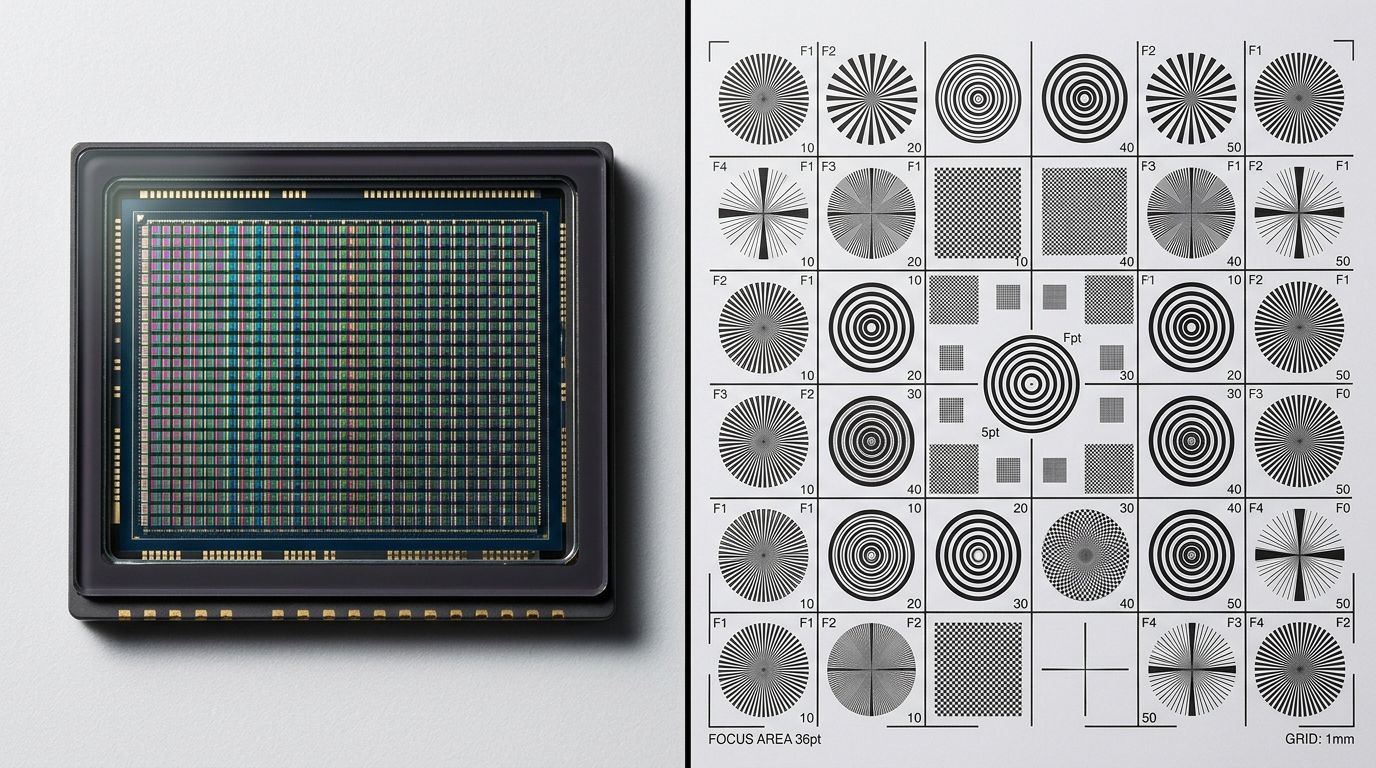
When you upload a product photo, your ecommerce platform generates multiple sizes behind the scenes. This process is rarely kind to your original file. The platform prioritizes server space over visual quality. It compresses the file aggressively to hit baseline performance metrics.
The problem compounds when you factor in responsive design. A standard container on a mobile product page will take whatever aspect ratio you uploaded and squash it to fit within the screen width. If you upload a wide 16:9 lifestyle image, the resulting mobile image rendering creates a tiny band of content across the middle of the screen. The product itself becomes an afterthought surrounded by useless background space.
Mobile shoppers do not have the patience to decipher bad visual information. They are shopping on trains, in waiting rooms, or while watching television. You have roughly two seconds to communicate the value of your product. If the image is vague, the session ends.
Fixing the Product Image Mobile Crop
Aspect ratios dictate exactly how much screen real estate you command. A 1:1 square crop is the safest baseline. It works seamlessly across desktop grid layouts and mobile category pages. But if you want to truly optimize product photos for mobile product pages, the 3:4 vertical crop is your strongest weapon.
A vertical image takes up significantly more vertical space on a phone. It forces the user to stop scrolling and actually look at the product details. It feels native to a device that is inherently vertical.
(Worth noting: there is a distinct trade-off here. If your vertical image is too tall, it pushes your "Add to Cart" button below the fold on smaller phones. You must balance image impact with basic checkout friction.)
You cannot rely on automated platform cropping to handle this logic. You must take control of the crop before the file ever hits your server. If you want to dial in the precise pixel dimensions that balance clarity and layout limits, reviewing the core Shopify image size and load speed specs will keep your buy button exactly where it belongs.
Image Compression Mobile Strategies
The battle between file size and visual clarity is the hardest part of mobile product image optimization. Mobile cellular networks are volatile. A user might have a massive 5G pipeline one minute and drop to a struggling 3G connection the next. If your images weigh three megabytes each, that user is going to stare at a blank screen until they close the tab.
We used to argue constantly with our development team about this. They wanted maximum compression to score perfectly on Google Lighthouse. We wanted maximum quality to show off the texture of our garments. We were both right, and we were both frustrated.
The solution is modern file architecture. Sticking to traditional JPEGs is an operational mistake in 2026. Transitioning your assets to WebP allows you to deliver incredible detail at thirty to fifty percent less file weight.
| File Format | Mobile Loading Speed Impact | Pinch-to-Zoom Detail |
|---|---|---|
| WebP | Extremely fast (30-50% smaller size) | Excellent retention of fine textures |
| JPEG | Moderate (standard compression limits) | Good baseline but prone to blurring |
| PNG | Very slow (heavy uncompressed weight) | Perfect clarity but causes lag |
If you are still wondering why your site feels sluggish on mobile despite stripping out apps and scripts, your legacy formats are likely the culprit. You can map out exactly how much weight you stand to drop by understanding the best image formats for ecommerce and implementing an automated conversion strategy.
Why Zoom on Mobile Product Pages Matters
The compression battle gets complicated because of zoom functionality. Buyers cannot touch your product in person. They rely entirely on pinch-to-zoom to verify material quality, stitching, or hardware details.
If a user pinches their screen and the image instantly turns into a pixelated blur, the perceived value of your product drops to zero. They assume the product itself is as cheap as the image rendering. This means your source file needs to be substantial. We recommend a minimum of 2000 pixels on the longest edge. This provides enough data for a clean zoom experience without causing the browser to crash.
Perfecting the Mobile Gallery UX
A single optimized hero image is a good start. A terrible mobile gallery UX will ruin it immediately. The way users interact with image carousels on mobile is completely different than on desktop. On a monitor, they click a thumbnail and the main image swaps instantly. On a phone, they swipe.
Swiping is the default mobile behavior. If your gallery requires users to tap tiny thumbnails stacked underneath the main image, you are creating massive friction. Fingers are clumsy. Touch targets need to be generous. Your mobile product page images must support smooth horizontal swiping with clear pagination dots indicating how many images remain.
Lazy loading is a fantastic technique for site speed. It is a disaster for your primary image carousel. If a buyer swipes right and stares at a gray loading box for a full second, their buying momentum completely halts. Your initial page load must prioritize the entire hero carousel.
If you have managed to drive thousands of visitors to your product pages but cannot figure out why they leave without adding anything to their cart, poor gallery interaction is frequently the silent killer. Digging into the exact reasons product images losing conversion often reveals basic UX failures hidden in plain sight.
Scaling Mobile Asset Production with AI
The biggest roadblock to true mobile optimization has always been the sheer cost of asset production. Getting multiple aspect ratios and distinct contextual shots used to mean sitting in a studio for hours. We would shoot wide for the desktop homepage banners and tight for the mobile galleries. The invoices were massive. The turnaround time was weeks.
Most brands simply gave up. They shot everything horizontally, cropped it haphazardly for mobile, and accepted the resulting conversion drop.
AI product photography changes this math completely. This is exactly why we built CherryShot AI. You upload a single product image, pick your desired visual mode, and the system generates campaign-ready photos in minutes. The per-image cost drops to under five dollars. The turnaround goes from weeks to an afternoon.
More importantly, it solves the formatting problem. You can generate a tight, vertical lifestyle shot specifically designed for your mobile layout without booking another stylist or studio day. When you remove the production bottleneck, you stop compromising on the visual assets your mobile buyers actually need to make a decision.
Frequently Asked Questions
How do I optimize product images for mobile ecommerce?
Optimize mobile product images by applying a 3:4 portrait or 1:1 square aspect ratio to maximize visible screen space. This vertical orientation prevents automated formatting from shrinking your primary item into an unreadable horizontal band across the display. Compress these correctly proportioned files into the WebP format at a minimum resolution of 2000 pixels on the longest edge to guarantee crisp pinch-to-zoom capabilities.
What image format is best for mobile product pages?
WebP is the superior image format for rendering high-resolution product photography on mobile screens. This modern file standard delivers final weights thirty to fifty percent lighter than traditional JPEGs while preserving exact visual fidelity and color accuracy. You should serve these compressed files dynamically via an image CDN to guarantee fast load times for active shoppers on unpredictable cellular networks while keeping standard fallbacks available.
Why do my product images look different on mobile?
Product images appear degraded on mobile devices because ecommerce platforms compress and automatically resize wide desktop files to fit narrow responsive containers. A horizontal lifestyle photograph evaluated on a large studio monitor turns into a confusing, distant rectangle when squashed onto a six-inch phone screen. You must manually format alternate image versions with tight, vertical crops that focus strictly on core product details to fix this display mismatch.
How do I fix product image cropping on mobile?
Fix mobile image cropping by manually sizing your source files into exact uniform aspect ratios before uploading them to your store backend. Relying on an automated ecommerce theme to center and crop horizontal landscape photography inevitably chops off important product features on smaller screens. Position your primary item squarely in the middle third of a 3:4 vertical frame to ensure native browser navigation bars never obscure critical visual data.
Does image optimization improve mobile conversion rate?
Image optimization directly increases mobile conversion rates by eliminating load delays and preserving necessary visual clarity. Shoppers consistently abandon active checkouts if a bloated gallery stalls their browsing or if a pixelated zoom function degrades their perception of product quality. Compressing your visual assets into modern formats ensures buyers can verify material textures instantly, keeping them moving efficiently through the final purchasing funnel.
Key Takeaways
- Desktop-first image strategy destroys mobile conversion rates by relying on bad automatic cropping.
- Vertical 3:4 crops maximize mobile screen real estate but must be tested against buy button placement.
- WebP compression is mandatory to balance fast load times with necessary pinch-to-zoom clarity.
- AI tools eliminate the studio cost barrier of producing distinct aspect ratios for different devices.
Mobile traffic will only continue to dominate your analytics dashboard. If you refuse to optimize specifically for those small screens, you are actively choosing to leave money on the table. Take control of your mobile assets, test your crops on actual devices, and start generating imagery that fits the exact context of your buyer. CherryShot AI gives you the ability to produce those precise assets in minutes instead of weeks. Stop letting bad formatting kill good products.
Check your mobile layout on your phone right now
Pull out your smartphone, open your top-selling product page, and test the zoom on your primary image. If it turns pixelated or takes more than two seconds to load over a cellular connection, you need to swap those assets. You can generate correctly formatted vertical images from your existing photography to fix this leak immediately.
Try CherryShot AI