Shopify Conversion Rate Optimization: Why Product Images Are the Lever Every CRO Guide Misses
Read almost any guide on Shopify conversion rate optimization. They all tell you to change your add to cart button to a contrasting color. They tell you to shave a few milliseconds off your page load speed. They tell you to insert an urgent countdown timer near the price.
Definition
Shopify conversion rate optimization is the process of increasing the percentage of site visitors who complete a purchase. While technical tweaks play a minor role, effective optimization relies heavily on upgrading the visual trust signals, like product photography, that actively convince a shopper to buy.
Those tactics might scrape an extra tenth of a percent. If your Shopify store conversion rate is sitting below one percent, button colors are not your problem. The fastest way to improve your baseline conversion is to completely overhaul the visual information you give your customers.
Your product images are failing to answer the fundamental questions your buyers have. If a shopper cannot instantly understand the scale, texture, and context of your item from the first swipe, they will bounce. We spend entirely too much time obsessing over minor layout adjustments when the core visual asset is actively pushing buyers away.
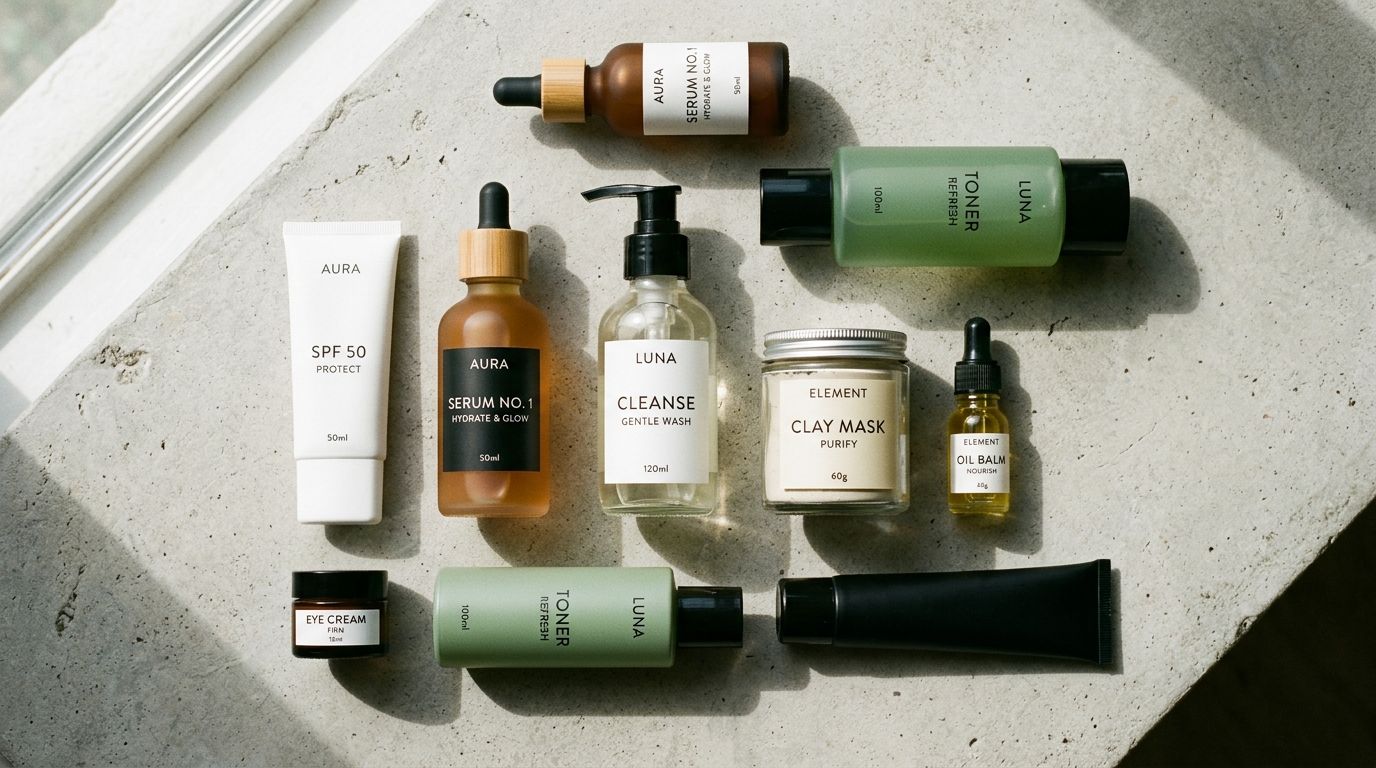
A highly optimized checkout flow still fails if the main hero image does not communicate undeniable value.
The Trust Signal Nobody Measures
I have spent hundreds of hours watching session recordings for brands doing low seven figures. I wanted to see exactly where the friction lives on a standard product page. The behavior pattern is almost identical across every demographic and every product category.
Users land on a product page from a paid ad. They do not read the carefully crafted bullet points. They do not read your shipping policy. They scroll immediately to the main image carousel. They swipe rapidly through every single photo. If they do not see exactly what they need in those first five seconds, they close the tab.
Why words cannot save bad visuals
Product images are the heaviest trust signals on your site. You can hire a brilliant copywriter to describe the luxurious feel of a ceramic vase. People simply will not believe the text if the photo looks like it was shot on a phone in a poorly lit warehouse.
(Worth noting: I know some founders swear by gritty, authentic phone photos because they perform well on TikTok. That raw aesthetic works beautifully for organic social media algorithms. For a Shopify product page where someone is entering their credit card details, a dimly lit photo just makes the brand look unprofessional.)
Why Your Add to Cart Rate is Stuck
Founders constantly ask me why their store is getting traffic but failing to convert. The instinct is always to blame the media buyer. They assume the targeting on Meta or Google is pulling in the wrong demographic.
Most of the time, the targeting is perfectly fine. The problem is a massive drop in the initial stage of the funnel. You have bought a click, but you have failed to build desire. When shoppers land on the site, they experience visual friction. They cannot pick up your product. They cannot feel the weight of the fabric. They cannot see how big the bag looks when carried.
Replacing the retail experience
Your images have to do the physical heavy lifting. If you want to understand what makes product photos convert, you have to look at how they replace the in person store experience.
In a store, a customer will pick up a jacket, check the inner lining, test the zipper, and step back to look at the overall shape. Your image gallery has to recreate every single one of those micro interactions. You need a hero shot for the overall shape. You need a macro shot for the zipper quality. You need a lifestyle shot to prove how it drapes on a real body.
Missing any of these visual steps leaves a question in the mind of the buyer. A confused buyer never buys. When you are suffering from a low add to cart rate from product images, it is usually because you left too many questions unanswered.
The Reality of Checkout Optimization
Shopify CRO discussions inevitably drift toward checkout optimization. Implementing express options like Shop Pay or Apple Pay is entirely mandatory in 2026. These tools remove significant friction from the final step of the purchase journey.
However, we have to admit a fundamental reality about checkout tools. A perfectly frictionless checkout experience does not convince anyone to buy your product. It only stops you from losing the people who have already decided they want it.
Defense versus offense
Checkout optimization is playing defense. You are plugging holes in a leaky bucket. Improving your Shopify store conversion rate through compelling product imagery is playing offense. You are pouring more water into the top of the bucket by generating actual desire.
You have to make them want the item first. You can have the fastest one click checkout on the internet, but if your main product photo looks cheap, nobody is ever going to click that button. Your visual presentation dictates your perceived value. High perceived value makes the price tag feel like a bargain.
Stop Tweaking and Start Testing Images
Most Shopify CRO efforts focus exclusively on text strings and page layouts. Brands will test ten different variations of a headline. They will test shipping thresholds. Yet, very few brands ever test their core visual assets. They upload the five shots they received from a freelance photographer three years ago and never touch them again.
If you want to move the needle, you need to A/B test product photos with the same rigor you apply to pricing tests. Swap a sterile white background studio shot for an aspirational lifestyle image. Measure the impact on your session duration and add to cart rate.
The cost barrier of visual testing
I know exactly why brands avoid testing images. Traditionally, getting new images meant organizing another studio shoot. You had to book a photographer, hire a stylist, rent a location, and wait three weeks for the edited files. The invoice usually lands somewhere between eighty and two hundred dollars per finished image. Most independent brands simply cannot afford to shoot five different visual concepts just to see which one converts the best traffic.
This financial bottleneck forces founders to settle for imagery that is merely acceptable. Acceptable imagery leads to incredibly average conversion rates.
| Photography Approach | Average Cost Per Image | Turnaround Time |
|---|---|---|
| Traditional Studio Shoot | $80 to $200+ | Up to three weeks |
| AI Photography Generation | Under $5 | A few minutes |
This exact constraint is why AI product photography has rapidly become a standard operational tool for serious ecommerce teams. By uploading a basic product photo into a tool like CherryShot AI and selecting a specific visual mode, brands can generate campaign ready photos in minutes. The per image cost drops to under five dollars. You are no longer constrained by massive shoot budgets. You can generate a Minimalist lifestyle shot, run it against a loud Magazine editorial shot, and let your live traffic tell you what they actually want to see.
Your product page is the most valuable real estate you own. Stop decorating it with images that barely get the job done. Make the visuals work hard for the sale, and watch your baseline conversion metrics finally start to shift.
Key Takeaways
- Micro layout adjustments cannot fix poor conversion rates driven by weak product imagery.
- Your image gallery must completely replace the physical retail experience of touching the product.
- Express checkouts only catch buyers you have already convinced with strong visual desire.
- Testing different visual concepts is mandatory if you want to find your highest converting asset.
Frequently Asked Questions
What is a good conversion rate on Shopify?
A successful Shopify store typically maintains a conversion rate between two and three percent across most standard ecommerce categories. Stores falling below the one percent threshold usually suffer from fundamental disconnects in product presentation, pricing strategy, or inbound traffic quality. You must audit your product photography and gallery layout immediately to identify the visual communication errors causing this severe customer drop-off.
How do product images affect Shopify conversion rate?
Product images function as the primary trust signal for ecommerce buyers by replacing the physical retail experience of handling an item. Poor visual assets that fail to communicate scale, true texture, or lifestyle context create immediate friction and doubt in the buyer's mind. You need to upgrade your hero gallery with high-resolution lifestyle shots to remove this hesitation and directly drive more completed checkouts.
What is the fastest fix for low Shopify conversion?
Replacing weak hero imagery on your core product pages serves as the absolute fastest method for correcting low conversion metrics. Poorly lit or low-resolution main photos instantly destroy perceived value, rendering any subsequent layout tweaks or button color changes completely ineffective. You should upload fresh, professionally styled campaign assets to your main carousel while simultaneously enabling express payment options like Shop Pay to capture immediate buyer intent.
Why is my Shopify store getting traffic but not converting?
High traffic with zero sales indicates a severe disconnect between your initial ad promise and the actual landing page experience. You are successfully buying clicks from interested audiences, but your product page fails to build the necessary desire to justify the final price tag. You must evaluate your landing page from a mobile perspective and replace any cheap-looking product photos that cause curious shoppers to bounce.
True conversion rate optimization is not about tricking someone into clicking a button. It is about presenting your product so clearly and beautifully that buying it feels like the most logical decision in the world. Fix your visuals, and the revenue will follow.
Audit your product page visuals before your next campaign
Stop sending expensive traffic to pages with weak imagery. You can test new lifestyle concepts and upgrade your visual assets right now without booking a studio. Run your existing photos through CherryShot AI to generate high-converting visuals for your store.
Try CherryShot AI